
Plants
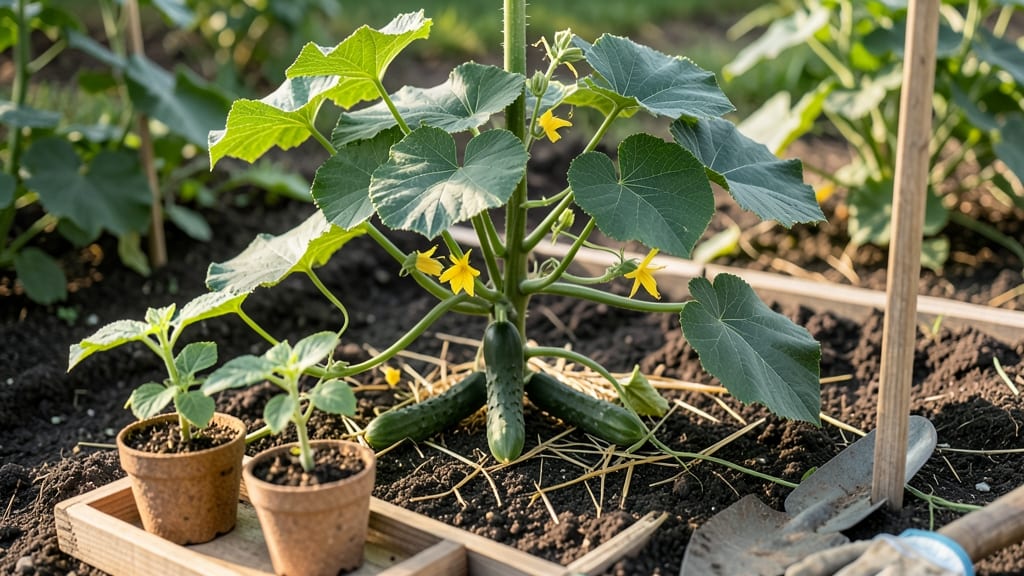
Timing your 🥒 cucumber planting in North Florida isn’t just about avoiding frost—it’s about beating the summer heat before it stresses your plants.
With our warm winters and long growing season, you’ve got two prime windows to plant, but getting the weeks right makes all the difference between a bumper crop and a sad, wilted vine.
Most gardeners in USDA Zone 8a-9a swear by starting cucumbers in mid-February to early May for spring harvests, or late July to early September for fall production. But here’s the catch: soil temperature matters more than calendar dates.
You’ll want to wait until the ground warms to at least 60°F—that’s when roots wake up and seeds actually sprout reliably.
If you’re new to North Florida gardening, you might be wondering whether to start seeds indoors or plant directly in the garden. Spoiler: For cucumbers, direct sowing is usually the easier and more successful route once the soil is warm enough.
We’ll break down the exact weeks before your last frost date (yes, it varies by city) and how to adjust for coastal humidity or inland dry spells.
Ready to grow cucumbers that produce like crazy? Let’s dive into the science-backed planting schedule that’ll have you harvesting crisp, homegrown 🥒 cucumbers from May through October—without the guesswork.
North Florida cucumber planting calendar: exact weeks before last frost for success
North Florida’s USDA Zones 8a-9a offer two prime windows for cucumber planting: spring and fall. The key is timing your seeds or transplants 4-6 weeks before your area’s last frost date—typically mid-March for most regions.
Jacksonville’s coastal microclimate may warm up slightly earlier, while inland areas like Gainesville often need that extra week to shake off frost risk.
For spring plantings, aim to sow seeds or transplant seedlings between mid-February and early April. This gives cucumbers time to establish roots before the 90°F+ summer heat arrives.
Fall plantings should happen late July to early September to avoid bolting (premature flowering) from shortening days. Coastal areas can push fall plantings slightly later due to their milder winters.
Here’s your exact planting timeline based on North Florida’s frost-free zones:
| Region | Last Frost Date | Spring Planting Window | Fall Planting Window |
|---|---|---|---|
| Jacksonville (Coastal) | Mid-March | Late February - Early April | Late July - Mid-September |
| Gainesville (Inland) | Early March | Early March - Early April | Late July - Early September |
| Tallahassee (Northern) | Mid-March | Mid-March - Late March | Late July - Early August |
Direct sowing is ideal for cucumbers since they hate transplant shock. However, if you’re starting indoors, transplant 2-3 weeks before your target outdoor date. Use biodegradable pots to minimize root disturbance.
For soil temperature, wait until it hits 60°F—use a soil thermometer to check. Coastal areas often reach this threshold 2-3 weeks earlier than inland zones.
Choose heat-tolerant varieties like ‘Straight Eight’ for summer plantings, as they thrive in 90°F+ temperatures.
For cooler spring/fall seasons, opt for ‘Lemon Cucumber’ or ‘Bush Champion’, which mature faster in milder conditions. Disease pressure spikes in North Florida’s humidity, so always plant resistant varieties and space vines 3-4 feet apart for airflow.
Pro tip: Use black plastic mulch to warm soil faster in spring. Lay it down 2-3 weeks before planting—this can shave 10-14 days off your planting timeline by raising soil temps by 5-10°F. Just
For fall plantings, focus on varieties that mature in 50-60 days to beat the first frost. Succession plant every 2 weeks from July through August to stagger harvests. If you’re in a coastal area, you might even squeeze in a winter harvest by planting heat-tolerant varieties in December under row covers.
Monitor your local Almanac’s frost predictions—North Florida’s last frost can vary ±7 days yearly. When in doubt, use frost cloth for an extra 2-4°F of protection during unpredictable cold snaps. With the right timing, you’ll enjoy homegrown cucumbers from May through October!
How to extend your cucumber growing season in North Florida’s heat
North Florida’s summer heat can turn your cucumber plants into sad, wilted messes if you don’t plan ahead. The key to extending your growing season lies in soil temperature management, shade solutions, and smart watering.
Unlike cooler climates, we don’t just plant and pray—we strategize to keep those vines happy through the dog days.
Most gardeners in Zone 8a-9a swear by black plastic mulch to warm soil faster in spring, but it also helps insulate roots during summer’s heat spikes. Pair that with drip irrigation timed for early morning, and you’ll avoid fungal diseases that thrive in damp, hot conditions.
Let’s break down the exact tactics that work in our climate.
Organic vs. Synthetic Mulches for Cucumbers
Organic Mulch
- Pros: Improves soil over time, retains moisture well, suppresses weeds
- Cons: Breaks down faster, may harbor pests, requires replenishing
- Best for: Long-term garden health, composting systems
Synthetic Mulch
- Pros: Lasts all season, reflects heat, suppresses weeds effectively
- Cons: Doesn’t improve soil, can overheat roots if too reflective
- Best for: Short-term heat protection, urban gardens
💡 Pro Tip: For North Florida’s heat, use black plastic mulch in spring and switch to straw or wood chips in summer to balance heat retention and cooling.
Another game-changer? Shade cloth with 30-50% coverage. I’ve seen cucumbers thriving under shade during July when they’d otherwise bolt in 90°F+ heat. Hang it above your vines to filter sunlight without blocking airflow—your plants will thank you with longer harvest windows and fewer bitter cucumbers.
Don’t forget companion planting! Pair your cucumbers with basil or marigolds to deter pests like cucumber beetles, which love our humid summers. The basil also improves flavor, so you’re killing two birds with one stone. Just avoid planting near potatoes or sage, which can stunt growth.
For container gardeners, choose heat-tolerant varieties like 'Straight Eight' and upgrade to 15-gallon pots with self-watering features. Smaller containers dry out faster in our heat, so daily watering is non-negotiable. Pro move: Add hydrogel crystals to your potting mix to hold extra moisture during heatwaves.
With these tricks, you can push your cucumber harvest from June to October—just don’t skip the soil tests first to check pH (aim for 6.0-6.8). Happy growing! 🌱