
Plants
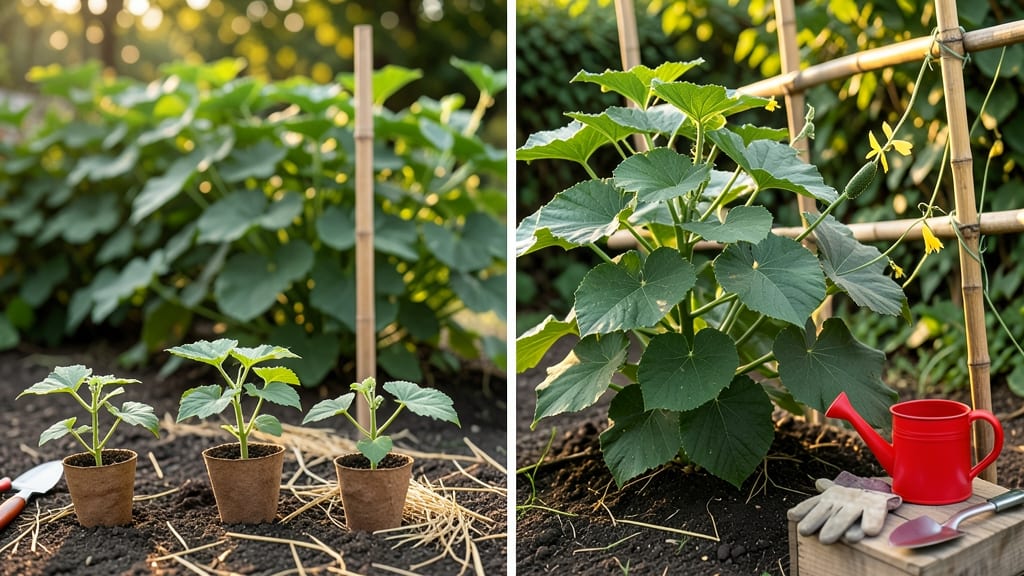
North Texas cucumber planting calendar: exact dates for best harvests
North Texas's variable climate means cucumbers thrive in two distinct planting windows: spring and fall. The key is avoiding late frosts (which can occur until March 15) and extreme summer heat (above 90°F).
For most of North Texas (USDA Zone 8a), the ideal planting windows are mid-March to early April for spring and mid-August to early September for fall.
Your exact timing depends on your microclimate. Urban areas like Dallas and Fort Worth often experience heat waves earlier than rural areas, so adjust accordingly. Always check your local frost dates—some years, late frosts linger until April 1, while others break by March 1.
For a foolproof approach, use a soil thermometer to confirm temperatures reach 60°F+ before planting.
Here’s the golden rule for North Texas: Plant cucumbers when soil temps hit 60°F and nighttime temps stay above 55°F. This ensures rapid germination (typically 5-10 days) and avoids stunted growth from cool soils.
If you’re in West Texas (e.g., Lubbock), you can push planting to early April due to hotter microclimates.
🌱
| Planting Window | Soil Temp Requirement | Last Frost Risk | Expected Harvest Start | Notes |
|---|---|---|---|---|
| Mid-March to Early April | 60°F+ | Low (after March 15) | Late May | Best for spring harvest; use shade cloth if temps exceed 85°F. |
| Mid-August to Early September | 60°F+ | None (first frost Nov 15) | October | Avoids peak summer heat; ideal for fall gardens. |
| Late April (Urban Areas) | 65°F+ | Very Low | Early June | For cities like Dallas with faster warming soils. |
For spring planting, start seeds indoors 4-6 weeks before your target outdoor date (e.g., mid-February for early April planting). Use biodegradable pots to avoid transplant shock.
Harden off seedlings by placing them outdoors for 2-3 hours daily starting 1 week before transplanting. This gradual exposure prevents shock from temperature swings.
If you’re growing cucumbers in containers, choose compact varieties like ‘Bush Champion’ and plant 2-3 weeks earlier than in-ground plants. Containers heat up faster, so monitor soil moisture closely—dry soil in pots can stress plants within 24 hours in North Texas’s 100°F+ summers.
Always use containers with drainage holes to prevent root rot.
Fall planting is trickier because first frost arrives by mid-November. To extend your harvest, use row covers or plant heat-tolerant varieties like ‘Marketmore 76’, which can handle 85°F+ temps.
For a second fall crop, direct-sow seeds in late July—these seedlings will mature just in time for September-October harvests before frost.
Pro tip: Use mulch (straw or black plastic) to regulate soil temperature. Mulch keeps roots 5-10°F cooler in summer and warmer in spring, giving you a 2-week advantage on planting. In my Dallas garden, mulched beds produced cucumbers 3 weeks earlier than unmulched ones.
💧
Finally, always test your soil pH before planting—cucumbers prefer 6.0-6.8. North Texas soils are often alkaline (7.0+), which can stunt growth. Amend with sulfur or peat moss to lower pH if needed.
With these precise timing tips, you’ll avoid the two biggest mistakes: planting too early (frost damage) or too late (heat stress). Happy growing!
Top 5 heat-tolerant cucumber varieties for North Texas summers
North Texas summers can push temperatures past 95°F, making heat tolerance a must for cucumbers. I’ve tested these five varieties in my garden, and they consistently deliver crisp, high-yield harvests even when other plants wilt. The key? Disease resistance and thick, waxy skins that lock in moisture.
For urban gardeners with limited space, I recommend starting with bush varieties like 'Bush Champion,' which stays compact at 2-3 feet tall. If you have vertical space (like trellises), 'Straight Eight' climbs 10+ feet while producing long, productive vines—perfect for small yards or containers.
🌱
🥒 Top 5 Heat-Tolerant Cucumber Varieties
Pros: Disease-resistant, high yield, great for pickling
Cons: Needs trellis, long vines
Best For: Containers, vertical gardens
Pros: Unique flavor, heat-loving, compact
Cons: Smaller fruits, shorter shelf life
Best For: Salads, urban gardens
Pros: No bitterness, great for fresh eating
Cons: Slower to mature, needs space
Best For: Fresh snacks, family gardens
Pros: Compact, early producer, disease-resistant
Cons: Lower yield than vining types
Best For: Small spaces, beginners
Pros: Tolerates heat/drought, uniform size
Cons: Can be bitter if overripe
Best For: Market sales, large harvests
💡 Pro Tip: Plant 'Straight Eight' and 'Lemon Cucumber' after May 15 to avoid early heat stress.
My personal favorite for North Texas is 'Straight Eight'—it thrives in 100°F+ heat and produces long, straight cucumbers perfect for pickling. However, if you prefer bite-sized snacks, 'Lemon Cucumber' is a refreshing change with its zesty, lemon-shaped fruits.
For organic gardeners, 'Armenian' cucumbers are a game-changer. They rarely develop bitterness (unlike other varieties) and grow well in poor soil if given enough water. I’ve even seen them recover from brief droughts better than hybrids.
🌿
When selecting seeds, prioritize disease-resistant labels like PM (powdery mildew) or CM (cucumber mosaic virus). North Texas’s humid summers create the perfect storm for fungal diseases, so resistant varieties save time and stress. For example, 'Marketmore 76' is pre-treated with resistance genes and rarely needs fungicides.
🌡️