
Plants
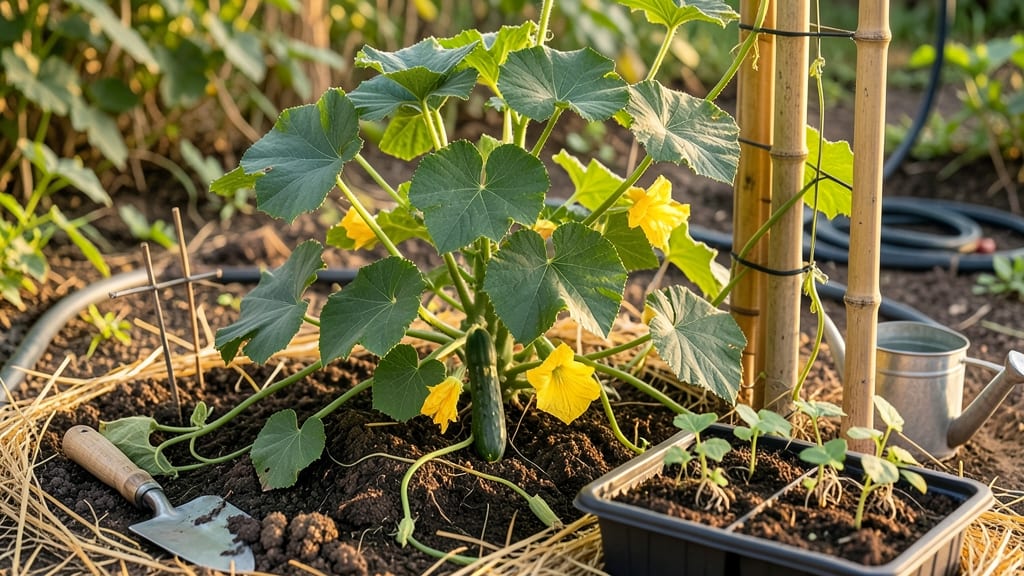
Timing your 🥒 cucumber planting in Northern California can mean the difference between a bountiful harvest and wasted effort.
Whether you're in the foggy coast or the hot Central Valley, getting those seeds in the ground at the right moment is critical—too soon and frost will nip your tender sprouts, too late and you’ll miss peak growing conditions.
I’ve grown cucumbers in Zones 7-9 for years, and the best time to plant depends on where you live. Coastal areas like San Francisco need patience—wait until after April 1—while inland spots like Sacramento can start as early as March 15.
The key? Soil that’s warmed to at least 60°F and no more frost warnings.
In this guide, I’ll break down the exact planting windows for your microclimate, plus pro tips to extend your harvest. Whether you’re direct-sowing or starting indoors, you’ll learn how to beat frost, handle heat stress, and keep those vines producing until fall.
Ready to grow cucumbers like a local? Let’s dive into the perfect timing for your Northern California garden.
Northern California cucumber planting dates by Zone 7-9 (with frost risk alerts)
Northern California’s USDA Zones 7-9 create a tricky balance for cucumbers. The coastal fog of San Francisco can delay planting by weeks, while the Central Valley’s heat demands early starts.
I’ve broken down the optimal planting windows by zone, including soil temperature thresholds and frost risk alerts to help you avoid common mistakes.
Cucumbers thrive when soil temperatures hit 60°F+, but they’re frost-tender—even a light freeze can kill seedlings. In Zone 7 (e.g., Sacramento), your last frost date is typically March 15, but wait until mid-April to plant outdoors.
For Zone 8 (e.g., San Jose), aim for late March to early April, while Zone 9 (e.g., Redding) can start as early as late February.
🌱
| Zone | Last Frost Date | Optimal Planting Window | Soil Temp Threshold | Frost Risk Alert |
|---|---|---|---|---|
| 7 (Sacramento) | March 15 | Mid-April to late April | 60°F+ | High risk before April 15 |
| 8 (San Jose) | March 1 | Late March to early April | 60°F+ | Moderate risk before March 20 |
| 9 (Redding) | February 15 | Late February to March | 55°F+ | Low risk after February 20 |
For direct sowing, scatter seeds ½-inch deep after the last frost. If transplanting seedlings, harden them off for 7-10 days before moving outdoors. In Zone 7, I’ve had success using row covers to extend the season by 2-3 weeks, but remove them once vines start climbing.
Another pro tip: Use a soil thermometer to confirm warmth. Cold soil delays germination—wait for consistent 60°F+ readings at 4 inches deep. In the Central Valley, I’ve planted as early as mid-March with black plastic mulch to warm the soil faster.
If you’re in a coastal area, like Santa Cruz, delay planting until mid-April due to persistent fog. The Bay Area’s microclimates can vary by neighborhood—check local weather stations for real-time updates.
For example, Berkeley’s last frost is often April 1, while Oakland’s can be as late as April 15.
For a second harvest, sow a second batch in late July (Zones 8-9) or early August (Zone 7). This works best in heat-tolerant varieties like ‘Straight Eight’ or ‘Marketmore,’ which handle summer’s intensity better than delicate types.
🌡️
Remember: overcrowding reduces yield. Space cucumbers 12-24 inches apart (depending on variety) and provide trellises or cages to save space. In my San Francisco garden, I use 5-foot trellises to train vines vertically, which also improves airflow and cuts down on pests.
Finally, monitor for powdery mildew in humid coastal areas. I’ve found that spacing plants 2 feet apart and watering at the base (not overhead) drastically reduces fungal issues. In dry Valley zones, mulch heavily to retain moisture and prevent stress.
How to adjust planting for Northern California’s microclimates (coastal vs. Valley)
Northern California’s microclimates create wildly different growing conditions—just 30 miles inland can mean 3 weeks earlier planting. Coastal areas like San Francisco and Santa Cruz stay cooler longer, while the Central Valley (Sacramento, Stockton) heats up fast. Understanding these differences is key to timing your cucumbers perfectly.
If you’re in coastal Zone 8-9, don’t rush—wait until mid-April for direct sowing or late April for transplants. The ocean breeze keeps soil cold, and frost risk lingers until May 1.
Inland areas like Zone 7 Sacramento can start 3 weeks earlier (early March for transplants, mid-March for seeds), but watch for heat stress if planting too early.
🌱 Key Takeaway:
Coastal vs. Valley Planting Adjustments
| Microclimate | Soil Temp Goal | Planting Window | Risk Factor |
| Coastal (SF, Santa Cruz) | 60°F+ | Mid-April to May 1 | Late frost |
| Central Valley (Sacramento) | 60°F+ | Early March to April 15 | Heat stress |
| Urban (Oakland, San Jose) | 60°F+ | Late March to April 1 | Container drying |
For urban gardeners in Oakland or San Jose, containers dry out faster—plant 1-2 weeks later than inland areas to avoid stress. Use black plastic mulch to warm soil 5-7°F faster, or try straw bale gardens to extend the season.
If you’re in Zone 7 (like Chico), start seeds indoors in February for transplants by March 15.
Pro tip: Monitor soil temps with a cheap thermometer—coastal soils can stay 10°F cooler than inland spots at the same date. Aim for 60°F+ for germination; below that, seeds rot. In the Valley, shade cloth (30-50%) helps young plants avoid heat shock when temps hit 90°F+.
Finally, succession planting works best in the Valley—sow every 2 weeks from March to July for continuous harvests. Coastal gardeners should limit to 2 plantings (April and June) to avoid fall frost. Adjust your schedule based on your local weather station, not just the zone map!