
Plants
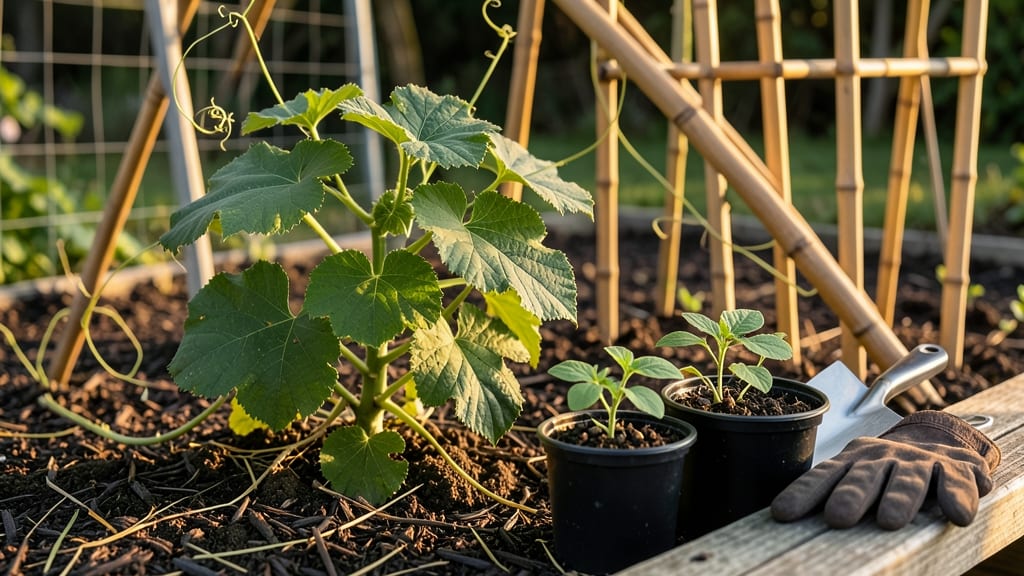
Planting cucumbers in West Virginia at the wrong time means watching your 🥒 vines wilt before they even get a chance to thrive. The key to a bumper harvest isn't just about soil prep—it's about timing the perfect planting window to avoid frost damage and heat stress.
With West Virginia's unpredictable spring weather and humid summers, getting your cucumbers in the ground too early can leave them vulnerable to late frosts, while planting too late might mean your plants struggle under summer's intensity.
I've spent years perfecting the ideal schedule for Zone 6a, and what I'm about to share will help you avoid common mistakes that waste time and effort.
You'll discover exactly when to start seeds indoors, when to transplant seedlings outdoors, and how to adjust for your specific microclimate—whether you're in the mountains or river valleys. Let's break down the exact dates and conditions that make all the difference for your cucumber garden's success.
From soil temperature requirements to frost-free date calculations, I'll walk you through everything you need to know to maximize your harvest from July through September. Ready to grow cucumbers that actually produce? Let's get started.
West Virginia cucumber planting dates by Zone 7b: exact calendar for success
West Virginia’s Zone 7b climate means cucumbers thrive with precise timing—plant too soon, and frost will kill tender seedlings; too late, and summer’s heat stress reduces yields.
The key is waiting for soil temperatures to hit 55°F+ and all frost risk to pass, typically around mid-April to early May in most regions.
For direct-sown seeds, aim for late April to early May when soil warms to 60°F+. If starting seedlings indoors, transplant them outdoors 2-3 weeks after your last frost date (usually May 1-15). High-elevation areas (like the Appalachian highlands) may need a 2-week delay due to cooler microclimates.
Here’s your exact planting calendar for West Virginia’s Zone 7b, including soil prep, seed starting, and transplant windows:
| Stage | Action | Notes |
|---|---|---|
| Soil Prep | Test soil pH (aim for 6.0-6.8) | Add compost or aged manure for fertility. |
| Indoor Seed Start | Start seeds 3-4 weeks before last frost (early April) | Use seed trays with well-draining mix. |
| Direct Sow | Late April–Early May (soil 60°F+) | Plant seeds 1 inch deep, 2-3 feet apart. |
| Transplant Seedlings | May 1–15 (after frost risk) | Hardening-off required for 7-10 days. |
| Succession Planting | Every 2 weeks until July 1 | Extends harvest through early fall. |
| Harvest Window | July–September | Pick every 2-3 days to encourage production. |
West Virginia’s last average frost date varies by region: April 15 in the northern panhandle (Zone 6b) and May 1 in the southern Appalachians (Zone 7a). Use the WV State University Extension frost map to pinpoint your local window—delay planting in cooler microclimates by 10-14 days.
For high-elevation areas (e.g., Monongahela National Forest), opt for bush varieties like ‘Bush Champion’ or ‘Spacemaster’ to mature faster in shorter seasons. These compact plants reach 3-4 feet tall and produce fruit 50-55 days after planting, beating heat stress.
Soil temperature is critical: cucumber seeds won’t germinate below 55°F, and seedlings wilt in 80°F+ soil. Use a soil thermometer to confirm readiness—plant only when temps stay above 60°F for 3+ days. Mulch with straw to retain heat and moisture once planted.
Pro tip: Black plastic mulch warms soil 5-10°F faster than bare earth, accelerating germination by 3-5 days. Lay it down 1 week before planting to maximize early-season growth. Pair this with drip irrigation to avoid fungal issues from overhead watering.
If your area experiences late spring frosts (common in the Allegheny Mountains), protect seedlings with floating row covers until nighttime temps stabilize above 50°F. Remove covers during the day to prevent overheating—cucumbers need full sun for optimal fruit set.
For a second harvest, try succession planting every 2 weeks until July 1. This staggered approach ensures cucumbers ripen through September, even as summer heat peaks. Choose heat-tolerant varieties like ‘Straight Eight’ or ‘Marketmore 76’ for lowland river valleys.
How to adjust cucumber planting for West Virginia’s microclimates: mountain vs. valley differences
West Virginia’s diverse geography means your cucumber planting strategy should change dramatically depending on whether you're gardening in the Appalachian highlands or the river valleys.
Mountain areas like Monongahela National Forest experience shorter growing seasons and cooler temperatures, while lowland regions near the Kanawha River face earlier heat waves and higher humidity. These differences can shift your ideal planting window by 2-4 weeks.
For highland gardens above 2,500 feet, aim to plant cucumbers 2 weeks later than the general Zone 6a schedule. The cooler nights and shorter summer mean you’ll need heat-tolerant varieties like 'Straight Eight' or 'Lemon Cucumber' that mature faster.
In valley regions, you can push your planting 1-2 weeks earlier but must watch for heat stress—opt for shade-tolerant types like 'Armenian' cucumbers if your garden gets afternoon sun.
🌿
If you're in a transition zone (like the New River Valley), split your planting strategy: start 50% of seeds indoors 3 weeks before your last frost date and direct-sow the remaining 50% outdoors 2 weeks after.
This hedges your bets against unpredictable spring weather. For mountain gardeners, consider using cold frames to jumpstart seedlings—this can add 3-4 weeks to your effective growing season.
Another critical adjustment is soil preparation. Highland soils often drain too quickly, so amend with compost and peat moss to retain moisture. Valley soils may stay too wet in spring, so raise beds or plant on mounds to improve drainage.
Both regions benefit from mulching with straw, which regulates soil temperature and reduces weeds—especially important in West Virginia’s humid climate.
🌱
Pro tip: Check your local USDA Plant Hardiness Zone map for precise elevation data, as even a 500-foot difference can shift your planting window by 10 days. For real-time updates, follow West Virginia University Extension Service alerts on frost dates—they’re your best friend for microclimate-specific advice.
With these adjustments, you’ll turn West Virginia’s diverse landscapes into cucumber-growing goldmines.