
Plants
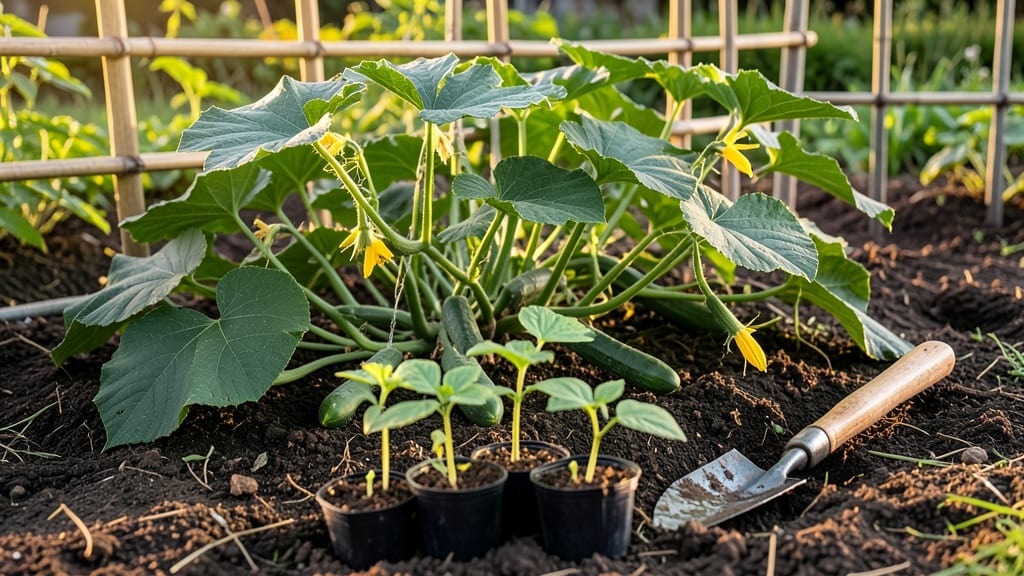
Timing your cucumber planting in Zone 7b isn’t just about following a calendar—it’s about unlocking the secret to 90-day harvests of crisp, sweet 🥒 cucumbers that thrive in your microclimate. The difference between a lush vine and a sad, wilted plant often comes down to those 10-14 days before or after the "ideal" window, when soil temperatures and frost risks shift.
Most gardeners in Zone 7b wait until after the last frost (around April 15), but that’s just the starting line. The real game-changer is soil temperature—cucumbers need 70°F+ to germinate and grow properly, which might mean waiting until late May in cooler pockets of your region.
Skipping this step can leave your plants struggling, even if the calendar says it’s safe.
Here’s what you’ll discover: how to adjust planting dates based on whether your yard is an urban heat island or a shaded rural spot, when to start seeds indoors (or just direct-sow), and the 3 spacing tricks that prevent crowded vines and boost production.
Let’s get your cucumbers off to the right start.
Whether you’re a seasoned gardener or just starting, these insights will help you avoid the common mistakes that turn promising plantings into disappointing harvests. Ready to grow cucumbers that actually deliver? Let’s dig in.
Optimal planting dates for cucumbers in Zone 7b: soil temperature and frost-free deadlines
In Zone 7b, where last frost typically occurs around April 1, cucumbers thrive when planted after soil temperatures consistently reach 55°F+, ideally 70°F+ for faster germination. This usually means waiting until mid-April to early May for spring plantings, though late summer options exist for extended harvests.
Cucumbers are warm-season crops that bolt (flower prematurely) if exposed to frost or cold soil. My rule of thumb: Never plant before May 1 unless you’re using row covers to protect young seedlings from unexpected late frosts, which can still hit Zone 7b into mid-April.
For a 90-day harvest window, aim to plant cucumbers between April 15 and June 1. This timeline ensures your vines mature before the first frost (usually November 15), giving you a June to September harvest.
Varieties like ‘Straight Eight’ or ‘Marketmore 76’ are reliable choices for Zone 7b’s climate.
Soil temperature is more critical than air temperature. Use a soil thermometer to confirm readings—cucumbers won’t sprout below 55°F, and growth stalls below 60°F. In my garden, I wait until the soil hits 70°F for 3 consecutive days before planting seeds or transplants.
| Stage | Action | Zone 7b Timeline |
|---|---|---|
| Soil Prep | Amend soil with compost; test pH (6.0-6.8 ideal) | March 15-April 1 |
| Direct Sow | Plant seeds 1" deep, 3-4 ft apart; soil temp ≥70°F | April 15-May 15 |
| Transplant | Use hardened-off seedlings; avoid disturbing roots | May 1-June 1 |
| Late Summer Option | Succession plant for fall harvest; use row covers | July 15-August 15 |
| Harvest Window | Pick every 2-3 days; harvest at 6-8" length | June-September |
If you’re eager to start early, starter plants can give you a 2-3 week head start over direct-sown seeds. Purchase transplants from local nurseries after May 1, ensuring they’re hardened off (acclimated to outdoor conditions).
I’ve had success with ‘Bush Champion’ varieties, which mature faster and are ideal for smaller spaces.
For extended harvests, consider succession planting every 2 weeks from April to July. This staggered approach ensures a continuous supply of fresh cucumbers throughout the summer. In my experience, ‘Diva’ and ‘Sweet Success’ varieties perform well in Zone 7b’s heat, producing fruit even when temperatures exceed 90°F.
Avoid planting cucumbers before April 15 unless you’re using black plastic mulch or row covers to warm the soil faster. Cold soil delays germination and weakens seedlings, making them vulnerable to damping-off disease. I’ve lost entire seed batches by planting too early—don’t make the same mistake!
In high-altitude areas of Zone 7b (e.g., Appalachian foothills), wait until May 15 to plant, as cooler nights delay soil warming. Conversely, urban heat islands (like city rooftops) can safely plant 2 weeks earlier due to retained heat. Always adjust based on your microclimate—not just the zone average.
Pro tip: Mark your calendar for June 15 as the last date to plant for a fall harvest. After this, cucumbers may not mature before the first frost. For late-season plantings, choose shorter-day varieties like ‘Suyo Long’, which tolerate cooler temperatures better than standard types.
🌱
How to adjust planting timing for Zone 7b microclimates: urban heat islands vs. rural cool spots
Zone 7b’s climate isn’t one-size-fits-all—your urban backyard might be 10°F warmer than a rural plot just 10 miles away. These microclimate differences can shift your cucumber planting window by weeks.
If you’re in a heat island with concrete and asphalt, you might plant 2-3 weeks earlier than a shaded, high-altitude area where soil warms slowly.
For urban gardeners, asphalt and buildings trap heat, letting you start seeds indoors by March 15 and transplant outdoors by April 15. In contrast, rural or wooded areas may need to wait until May 1 for soil to reach 70°F.
Always check your local frost dates—some pockets of Zone 7b see frost as late as April 15, while others are frost-free by March 20.
Here’s how to adapt: Use a soil thermometer to confirm 70°F+ before planting. If your soil is cold but your calendar says it’s safe, delay planting—cucumbers won’t germinate below 55°F, and slow starts lead to stunted vines.
For cooler spots, try row covers or black plastic mulch to warm the soil faster.
🌡️ Zone 7b Microclimate Comparison
| Factor | Urban Heat Island | Rural/Shaded Areas |
|---|---|---|
| Soil Warms To 70°F | Early April | Mid-May |
| Best Planting Window | April 15–May 1 | May 15–June 1 |
| Heat Stress Risk | High (June+) | Low (until July) |
| Solution for Late Planting | Fast-maturing varieties (e.g., 'Straight Eight') | Row covers or cold frames |
If you’re in a high-altitude area (even within Zone 7b), expect cooler soil and a 2-week delay. For example, Charlottesville, VA (Zone 7b) averages last frost on April 1, but areas like Shenandoah Valley may see frost until April 15.
Use succession planting to stretch your harvest: Sow a second batch June 15 for a late-summer crop.
For shaded yards, cucumbers still need 6+ hours of sun, but partial shade can reduce heat stress. Plant bush varieties like 'Bush Champion' in shadier spots—they’re more compact and tolerate 4-6 hours of sun.
Pair them with tall sun-loving plants (like corn) to create a natural windbreak and improve airflow.
Pro tip: Monitor your local weather station for heat waves after planting. If temperatures hit 90°F+, cucumbers may stop producing or develop bitter fruit. Provide afternoon shade cloth (30-50% shade) to protect vines during peak heat.
With these adjustments, you’ll maximize your 90-day harvest window—no matter your Zone 7b microclimate.