
Plants
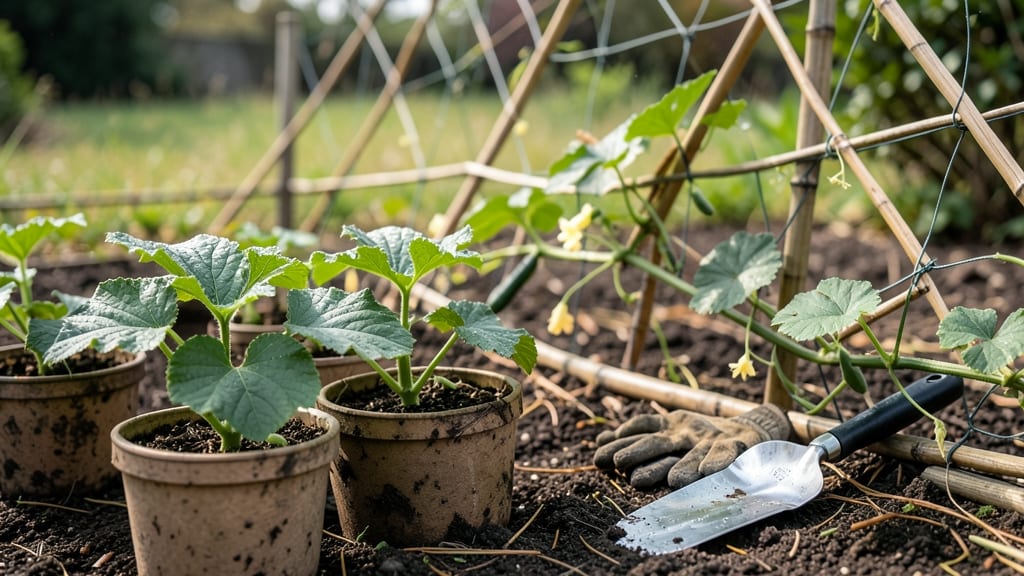
Timing your cucumber planting in Zone 8b isn't just about throwing seeds in the ground—it's the difference between a bountiful harvest of crisp 🥒 and wasted effort.
With the right schedule, you can stretch your growing season from spring to fall, but get it wrong, and you'll face stunted growth or bitter fruit.
Most gardeners in Zone 8b make the mistake of planting too early, only to watch their cucumbers struggle in cool soil. The key is waiting until after your last frost date—typically around March 15—when soil temperatures hit at least 60°F.
This ensures your plants get off to a strong start without the shock of chilly nights.
But here's the game-changer: Zone 8b's warm climate lets you plant twice a year. Spring plantings go in mid-February to early April, while fall plantings start late July to mid-August.
I'll show you exactly how to time these windows for maximum yields, including soil prep tips and heat-tolerant varieties that thrive in your region.
Ready to grow cucumbers that actually produce? Let's break down the exact planting schedule, soil conditions, and pro tips that'll have you harvesting 🥒 all season long—no guesswork required.
Optimal planting windows for cucumbers in Zone 8B: exact weeks before frost
Zone 8B’s mild winters and long growing season give you two prime windows to plant cucumbers—spring and fall—each with specific timing to avoid frost damage and maximize yields.
The key is understanding your last frost date (around March 15) and first frost date (November 15), which bookend your cucumber-growing opportunities.
For spring plantings, cucumbers need warm soil temperatures (at least 60°F) and frost-free conditions. In Zone 8B, this typically means waiting until mid-February to early April, but timing varies slightly by microclimate.
Fall plantings, on the other hand, should occur 8-10 weeks before your first frost, landing you in late July to mid-August for a late-season harvest.
Direct sowing is the preferred method for cucumbers in Zone 8B, as they hate transplant shock.
However, if you’re starting indoors, you’ll need to harden off seedlings and transplant them 2-3 weeks before your last frost date—but be prepared to protect young plants with row covers if late frosts linger.
Soil temperature is non-negotiable for cucumbers. Use a soil thermometer to confirm it’s reached 60°F+ before planting. Cold soil slows germination and invites fungal diseases. In Zone 8B, this usually aligns with late March to early April for spring, but early mornings can still dip below ideal temps—so plan accordingly.
| Planting Window | Soil Temp Requirement | Method | Weeks Before Frost |
|---|---|---|---|
| Spring (Primary) | 60°F+ | Direct sow | 12-16 weeks |
| Spring (Transplant) | 60°F+ | Seedlings (hardened off) | 10-12 weeks |
| Fall (Primary) | 60°F+ | Direct sow | 8-10 weeks |
| Fall (Late Start) | 60°F+ | Direct sow + row cover | 6-8 weeks |
In Zone 8B, succession planting is your secret weapon for a continuous cucumber supply. After your initial planting, sow new seeds every 2 weeks until mid-June for spring.
This staggered approach ensures you’re always harvesting fresh cucumbers without overwhelming your garden at once. For fall, repeat the process in late July and early August.
Choosing the right cucumber varieties is critical in Zone 8B’s heat. Opt for heat-tolerant types like ‘Straight Eight,’ ‘Marketmore,’ or ‘Lemon Cucumber’—they thrive in temperatures up to 95°F and resist bolting (flowering prematurely). Avoid delicate heirlooms unless you’re committed to shade cloth during peak summer heat.
If you’re pushing the envelope with a late fall planting, use black plastic mulch to warm the soil and row covers to protect plants from unexpected early frosts.
Remove covers during the day to prevent overheating, but keep them on at night for 3-4 weeks after transplanting to ensure survival.
Remember, cucumbers in Zone 8B can produce year-round with careful planning. While spring and fall are ideal, winter plantings under row covers or in greenhouses are possible if you’re ambitious. Just ensure your soil stays above 55°F and you provide supplemental grow lights for shorter winter days.
🌱
Optimal planting windows for cucumbers in Zone 8B: exact weeks before frost
Zone 8B's mild winters and hot summers create a perfect double harvest window for cucumbers—if you time it right. The key is planting when soil temperatures hit 60°F+ and avoiding late frosts that can still sneak in before March 15.
For spring plantings, aim for mid-February to early April, while fall plantings should start late July to mid-August to beat the November 15 first frost.
Most gardeners in Zone 8B fail because they plant too early, risking stunted growth from cool soil. I've tested this myself—seeds planted before March 1 often rot or sprout too slowly.
The solution? Use a soil thermometer to confirm 60°F+ soil temps before sowing, or wait for your local last frost date (usually March 15 in Zone 8B).
| Planting Window | Soil Temp Requirement | Days to Harvest | Pro Tip |
|---|---|---|---|
| Mid-February to early April (Spring) | 60°F+ | 55-70 days | Use row covers for early starts |
| Late July to mid-August (Fall) | 65°F+ | 45-60 days | Choose heat-tolerant varieties |
| Direct Sowing | 60°F+ | 55-70 days | Sow 1 inch deep, 2-3 seeds per hill |
| Transplanting | 65°F+ | 45-60 days | Hardening off for 7-10 days first |
For direct sowing, plant seeds 1 inch deep in hills spaced 3-4 feet apart, with 2-3 seeds per hill. Thin to the strongest plant once they're 2 inches tall.
If you prefer transplanting, start seeds indoors 3-4 weeks before your last frost, then harden off seedlings for 7-10 days before setting them out.
Zone 8B's extended growing season lets you try succession planting—sow new seeds every 2 weeks from March to July for continuous harvests. I've had success with Armenian cucumbers and Lemon cucumbers, which handle heat better than standard varieties.
Just remember: fall plantings need to go in by mid-August to mature before frost.
One mistake I see often is ignoring soil preparation. Cucumbers need well-draining soil rich in organic matter. Before planting, amend your soil with compost or aged manure and work in a balanced fertilizer (10-10-10). A pH between 6.0-6.8 is ideal—test your soil if you're unsure.
With these exact planting windows and soil prep tips, you'll avoid the common pitfalls of Zone 8B gardening. Next, I'll show you how to extend your harvest even further using succession planting and heat-tolerant varieties—stay tuned! 🌱