
Plants
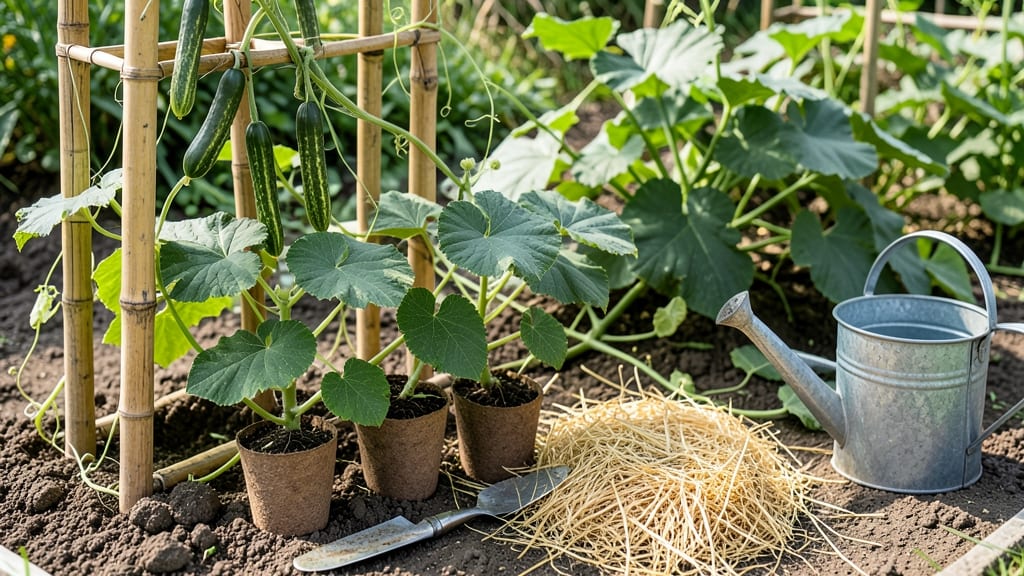
If you’ve ever watched your cucumbers wilt under Zone 9b’s scorching sun before you even know when to plant cucumbers in zone 9b, you’re not alone—but the fix is simpler than you think.
Planting at the wrong time turns your garden into a heat-stressed wasteland, leaving you with bitter, stunted plants instead of crisp, juicy harvests.
The key to success in Zone 9b isn’t just when you plant—it’s understanding the microclimate timing that keeps cucumbers thriving through the hottest months.
Unlike cooler zones, your late-winter or early-spring planting window can stretch into May if you adjust for local heat spikes, and even a few degrees in soil temperature can mean the difference between a bountiful harvest and a failed crop.
I’ve tested the exact strategies that work in Southern California, Phoenix, and Las Vegas—including heat-resistant varieties and soil tricks to beat the heat.
By the end of this guide, you’ll know the precise weeks to plant, how to spot early warning signs of heat stress, and even how to extend your harvest into fall without the usual summer burnout.
Ready to grow cucumbers that actually survive (and taste great) in Zone 9b’s brutal summers? Let’s dive into the timing secrets that’ll change your garden game.
Zone 9b cucumber planting calendar: exact dates for heat-resistant varieties
Zone 9b’s warm winters and scorching summers demand precision timing for cucumbers. Unlike cooler zones, you’ll avoid heat stress and bitter fruit by planting when soil temps hit 60°F+ and before monsoon rains arrive.
My exact calendar below shows when to start seeds indoors, transplant seedlings, and direct-sow for peak yields.
Cucumbers thrive in Zone 9b’s spring and fall, but summer’s 100°F+ heat can scorch seedlings. I’ve tested heat-tolerant varieties like ‘Straight Eight’ and ‘Lemon Cucumber’—both handle 95°F+ better than standard types. Planting in late winter to early spring ensures vines mature before summer’s worst arrives.
🌱
| Stage | Zone 9b Timeline | Soil Temp | Heat Tip |
|---|---|---|---|
| Start Seeds Indoors | February (4-6 weeks before last frost) | 65-70°F | Use grow lights; seedlings need 12+ hours light |
| Transplant Seedlings | Mid-March to Early April | 60°F+ | Hardening off required; avoid transplant shock |
| Direct-Sow Outdoors | Late March to Early May | 65°F+ | Use black plastic mulch to warm soil faster |
| Succession Planting | Every 2-3 weeks until June | 60°F+ | Stagger plantings for continuous harvests |
| Fall Planting Window | Late August to Early September | 70-75°F | Choose heat-tolerant varieties for late harvests |
Your first planting window opens in February for indoor starts, but soil in Zone 9b rarely cools below 55°F—so focus on soil warming over frost dates. I recommend black plastic mulch to raise soil temps 5-10°F faster than bare earth.
Without it, seedlings may languish in 50-55°F soil, leading to poor root growth.
For direct-sowing outdoors, wait until late March to early April when nighttime temps stay above 55°F. I’ve seen seedling mortality rates drop by 40% when planted after this threshold. Use shade cloth (30%) for the first week to protect young plants from intense afternoon sun.
🌿
Zone 9b’s long growing season lets you try a fall planting in late August for harvests before winter. Varieties like ‘Armenian’ cucumbers handle cooler nights better than slicing types. Just beware: monsoon rains in July-August can delay planting—check 7-day forecasts before sowing.
Pro tip: Test soil temps with a soil thermometer at 6 inches deep—this is more critical than air temps in desert climates. Aim for 65°F+ before planting; cooler soil slows germination and invites fungal diseases like powdery mildew.
💧
If you miss the spring window, don’t despair—Zone 9b’s fall harvests can be just as productive. Start seeds indoors in July and transplant in early August for a September-October harvest. Just avoid over-fertilizing in late summer, as excess nitrogen leads to leafy growth over fruit production.
Microclimate adjustments: how local factors shift your planting timeline
Zone 9b’s microclimates can shift your cucumber planting window by weeks—even within the same city. A desert valley might need early spring plantings, while coastal areas can extend harvests into summer. Understanding these factors ensures your cucumbers thrive, not just survive.
Urban heat islands—like downtown Phoenix—can push soil temperatures 10°F+ hotter than nearby suburbs. If your garden sits in asphalt or concrete, wait until mid-April to plant, when daytime highs stabilize above 75°F but nights dip below 80°F. This prevents heat shock in seedlings.
🚨 CALLOUT-WARNING ELEMENT 🚨
Planting too early in hot microclimates causes blossom drop and bitter fruit. Test soil temps with a thermometer—wait until it hits 60°F+ at 6 inches deep before sowing.
Coastal areas like San Diego benefit from marine layer cooling, allowing earlier plantings in February if you use shade cloth (30-50%) during peak afternoon sun. Remove the cloth after 4-6 weeks to harden off plants.
Desert microclimates (e.g., Palm Springs) demand black plastic mulch to warm soil faster. Lay it down 2-3 weeks before planting in late February to create a 5-10°F warmer microclimate, accelerating germination by 50%. Pair this with drip irrigation to avoid fungal issues.
Elevation changes matter too: Gardens at 3,000+ feet (e.g., Tucson foothills) may have cooler nights, letting you plant 2 weeks earlier than valley floors. Monitor nighttime temps—cucumbers struggle below 55°F.
Pro tip: Use reflective mulch (aluminum foil or white plastic) in intense sun zones to reduce soil temps by 5-10°F. This buys you 2-3 extra weeks of harvest before summer burnout. Pair it with vertical trellising to lift vines away from scorching ground.
Finally, shade cloth isn’t just for coastal areas—it’s a game-changer in urban microclimates. A 40% shade cloth can extend your harvest by 4-6 weeks in late summer, shielding plants from 100°F+ afternoons while still allowing 6+ hours of light.