
Plants
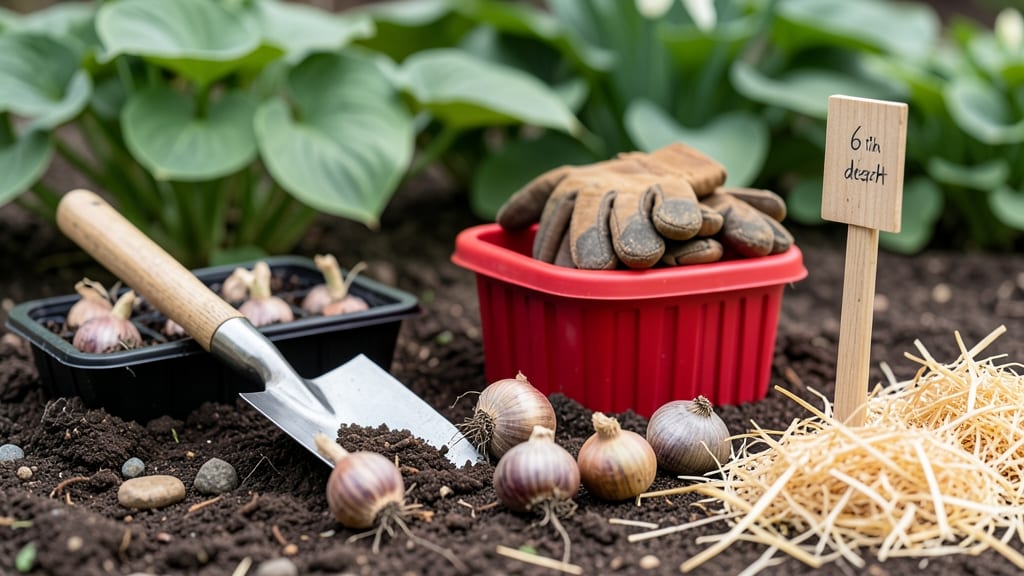
Timing the planting of your 🌼 daffodil bulbs in Northern California could be the difference between a spring garden bursting with color and a missed opportunity. With our region’s diverse microclimates—from the chilly coastal fog to the warmer Central Valley—getting the timing right is everything.
Most gardeners in zones 8a-9b know fall is the perfect window, but the exact months depend on where you live. Plant too early, and your bulbs might rot; too late, and they won’t establish strong roots before winter.
I’ll break down the ideal planting schedule for your specific area, so you can enjoy those cheerful blooms come March or April.
Whether you’re a beginner or a seasoned gardener, understanding the 4-6 week rule before the first hard frost is key. We’ll cover soil prep, frost dates, and even how to adjust for early or late blooming varieties—so you can plant with confidence and watch your garden thrive.
Let’s dive into the exact deadlines and tips tailored just for Northern California’s unique growing conditions, because the right timing makes all the difference for your 🌼 daffodils!
Northern California daffodil planting zones: exact months by microclimate
Northern California’s varied climate creates distinct planting windows for daffodil bulbs. The Coastal region (like San Francisco) enjoys milder winters, while the Central Valley (Sacramento/Stockton) faces earlier frosts. Even the Foothills around the Sacramento Delta have unique timing needs. Understanding these zones ensures your bulbs bloom vibrantly next spring.
Daffodils thrive when planted 4-6 weeks before the first hard frost. In Northern California, this typically means October through December, but exact dates shift by microclimate. Coastal areas can plant later into December, while inland valleys should aim for early October to avoid frost damage.
Soil temperatures below 60°F (15°C) signal it’s time to plant.
Here’s how to align your planting with Northern California’s three key microclimates:
| Microclimate | Ideal Planting Window | Soil Temp Trigger | Frost Risk |
|---|---|---|---|
| Coastal (San Francisco, Marin) | Late October – December 15 | 55–60°F (13–15°C) | Low (mild winters) |
| Central Valley (Sacramento, Stockton) | Early October – Mid-November | 60–65°F (15–18°C) | Moderate (frost by Dec 15) |
| Foothills (Sacramento Delta) | Mid-September – Early November | 50–55°F (10–13°C) | High (early frosts) |
For Coastal gardeners, daffodils planted in December will still establish roots before mild winters set in. Meanwhile, Central Valley gardeners should prioritize October planting to avoid the region’s earlier frost dates. The Foothills demand the earliest action—September planting ensures bulbs root before cold snaps arrive.
Check your local USDA Zone (8a–9b in Northern California) and adjust planting by 1–2 weeks earlier for higher elevations or 1–2 weeks later for sheltered coastal spots. Use a soil thermometer to confirm temperatures—60°F (15°C) is ideal for root growth.
Northern California’s winter rainfall patterns also matter. In drier inland areas, water bulbs deeply after planting to encourage root development. Coastal regions may need less supplemental water thanks to natural rainfall. Always plant in well-draining soil to prevent bulb rot, especially in clay-heavy Central Valley soils.
Pro tip: Mark your planting dates on a calendar and set reminders for post-planting care. Daffodils need 6+ weeks of chill (32–45°F/0–7°C) to bloom well. Coastal areas often meet this naturally, while inland zones may require mulching to retain cold soil temperatures.
If you’re unsure about your microclimate, observe nearby orchards or public gardens. Their daffodil blooms in March–April can guide your planting timeline. For example, if local daffodils bloom early, plant earlier in fall to sync with their cycle.
Finally, test your soil’s drainage before planting. Amend heavy soils with compost or sand to improve aeration. Well-drained soil prevents bulbs from sitting in waterlogged conditions, a common issue in Northern California’s winter rains. 🌼
Northern California daffodil planting zones: exact months by microclimate
Northern California’s diverse microclimates create distinct planting windows for daffodils. Coastal areas like San Francisco and Santa Cruz have cooler, wetter winters, while the Central Valley (Sacramento/Stockton) stays milder. The Sacramento Delta foothills often experience earlier frosts. Understanding these differences ensures your bulbs thrive.
For coastal regions, aim to plant between mid-October and November. The ocean’s moderating effect delays frost, giving you a slightly extended window. In contrast, Central Valley gardeners should plant by late October to avoid winter soil saturation.
Foothill areas typically need bulbs in the ground by mid-October due to colder nights.
Here’s a quick comparison of ideal planting months by region, including soil temperature triggers and frost risk factors:
| Region | Ideal Planting Month | Soil Temp Trigger (°F) | First Frost Risk |
|---|---|---|---|
| Coastal (SF Bay Area) | Mid-October – November | 50–60°F | Low (Dec 20+) |
| Central Valley (Sacramento/Stockton) | Late October – Early November | 55–65°F | Moderate (Dec 10–15) |
| Foothills (Sacramento Delta) | Mid-October – Late October | 50–60°F | High (Nov 15–Dec 1) |
Soil temperature is a critical factor—daffodil bulbs need 4-6 weeks to establish roots before winter dormancy. Test your soil with a thermometer; aim for 50–65°F. If your soil is too warm (above 65°F), bulbs may sprout prematurely and get damaged by early frosts.
For coastal gardeners, the extended window means you can plant later than inland areas. However, don’t wait past November 15—bulbs need time to root before winter rains arrive. In the Central Valley, prioritize planting by October 31 to avoid soggy soil conditions that lead to rot.
Pro tip: Use mulch (straw or shredded leaves) after planting to insulate bulbs and regulate soil temperature. This is especially helpful in foothill regions, where temperature swings can stress newly planted bulbs.
Remember, the 4-6 week rule before the first hard frost applies universally. Check your local USDA zone (8a–9b) and adjust accordingly. With these regional guidelines, your daffodils will be ready to burst into bloom by March or April!