
Plants
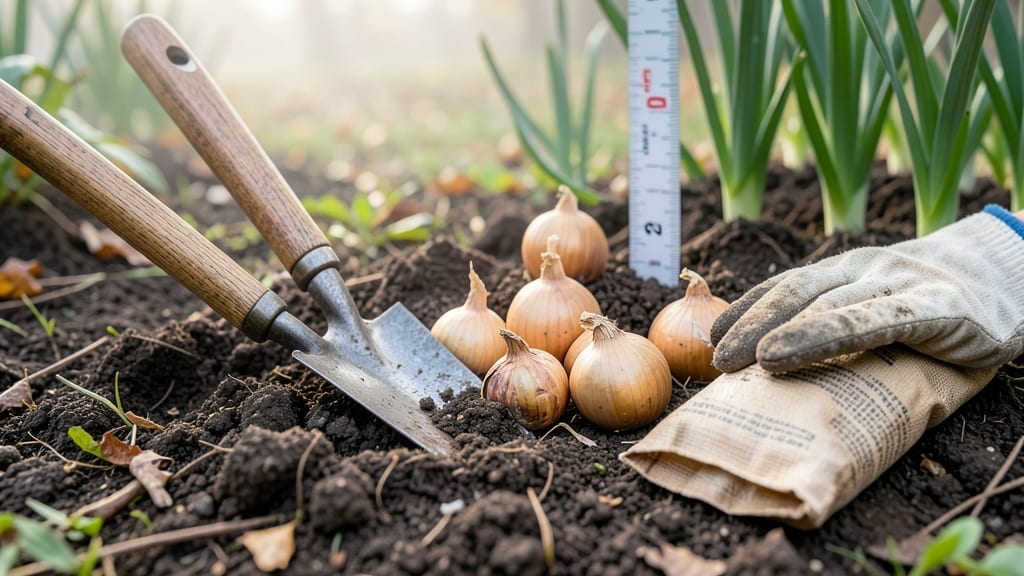
Planting daffodil bulbs in Oklahoma at the wrong time could mean wasted money and no spring blooms—because those cheerful 🌼 faces need 6-8 weeks of cool soil to root before winter sets in.
Unlike some plants that thrive with flexibility, daffodils demand precision in Zone 6b-7a. The window between September and November is your golden opportunity to get them in the ground before the first frost hits around mid-November.
I’ve seen gardeners in Oklahoma struggle when they plant too early (bulbs rot) or too late (roots don’t establish). The key is timing it right—when soil temps drop to 50-60°F—so your daffodils wake up strong next spring.
Let me show you exactly how to nail that perfect planting window, plus pro tips for Oklahoma’s clay-heavy soil that’ll make your daffodils pop like they’re in a botanical garden.
Optimal planting window for Oklahoma daffodils: months, soil temps, and moon phases
In Oklahoma’s USDA Zones 6b-7a, timing your daffodil bulbs isn’t just about the calendar—it’s about soil temperatures, moon phases, and avoiding early freezes. The ideal window stretches from mid-September through November, but rural areas like Woodward freeze earlier than Oklahoma City or Tulsa.
Let’s break down the science behind these fall planting secrets.
Daffodil bulbs need 4-6 weeks of root growth before the ground freezes solid. In most of Oklahoma, that means planting by mid-November for OKC (Zone 7a) and early November for Tulsa (Zone 7b). Rural areas like Altus (Zone 7a) should aim for late October to avoid winter rot.
Check your local last frost date—Oklahoma’s average first freeze is November 15, but it can arrive as early as October 20.
Soil temperature is your secret weapon. Daffodils thrive when soil is between 50-60°F—too warm (70°F+) and bulbs rot; too cold (40°F) and roots won’t establish.
In Oklahoma, soil temps drop below 50°F by late October in most regions. Use a soil thermometer to confirm before planting.
Moon phases matter more than you think! Planting during the waxing moon (when the moon is growing brighter) encourages root development. For Oklahoma gardeners, aim for the waxing gibbous phase in October—this aligns with the ideal 4-6 week root window before freeze.
Check a lunar planting calendar for your exact dates.
Here’s your Oklahoma-specific planting timeline with soil temps, moon phases, and regional adjustments:
| Month | Ideal Planting Window | Soil Temp (°F) | Moon Phase | Oklahoma Regions |
|---|---|---|---|---|
| Mid-September | Early Start | 60-70°F | Waxing Gibbous | OKC, Tulsa (Zone 7a/b) |
| October (Full Moon) | Peak Time | 50-60°F | Waxing Gibbous | All Regions |
| Early November | Last Chance | 40-50°F | Waning Crescent | OKC, Tulsa |
| Late November | Risky | <32°F | New Moon | Rural Areas Only |
Pro tip: If you’re in southern Oklahoma (Zone 7b), like near Lawton or Ardmore, you can push planting into early December—but only if the ground hasn’t frozen.
Use a thermometer to check for consistent temps below 40°F at night. In northern Oklahoma (Zone 6b), like Enid or Woodward, late October is your cutoff.
For container gardening, you’ve got a little more flexibility. Plant in late September and move pots to a protected location (like a garage or under eaves) if freezing temps arrive early. Just remember: daffodils need cold dormancy—don’t keep them indoors all winter!
One more Oklahoma-specific hack
Optimal planting window for Oklahoma daffodils: months, soil temps, and moon phases
Oklahoma’s USDA Zones 6b-7a give you a 6-8 week window to plant daffodil bulbs—starting in late September and ending by mid-November. This timing ensures bulbs establish roots before the ground freezes, which typically happens around November 15 in most areas.
For OKC and Tulsa, aim for October planting—this balances warm soil and cooler nights. In rural areas with earlier frosts, shift toward September. The key is getting bulbs in the ground when soil temps hit 50-60°F.
Moon phases also play a role in Oklahoma’s clay-heavy soil. Planting during the waxing moon (when roots grow upward) helps bulbs anchor deeply. Check local moon calendars—October’s waxing gibbous is ideal for most regions.
| Month | Soil Temp | Moon Phase | Notes |
|---|---|---|---|
| Late September | 60-70°F | Waxing gibbous | Best for early starters, warm soil |
| October | 50-60°F | Full moon/waxing | Ideal for most of OK, balanced temps |
| November | 40-50°F | Waning crescent | Last chance, plant ASAP before freeze |
If you miss the window, don’t panic! Early December planting can work if soil isn’t frozen. Just cover bulbs with 4-6 inches of mulch to insulate them. The trade-off? Slower root growth may mean smaller blooms next spring.
Pro tip: Use a soil thermometer to verify temps—Oklahoma’s clay retains heat longer than sandy soil. Plant when temps consistently stay below 60°F at night to prevent premature sprouting.
Remember, daffodils need 6-8 weeks of cool soil to root. If planted too late, they’ll struggle to establish before winter dormancy sets in. The earlier you plant in your window, the stronger your spring blooms will be!