
Plants
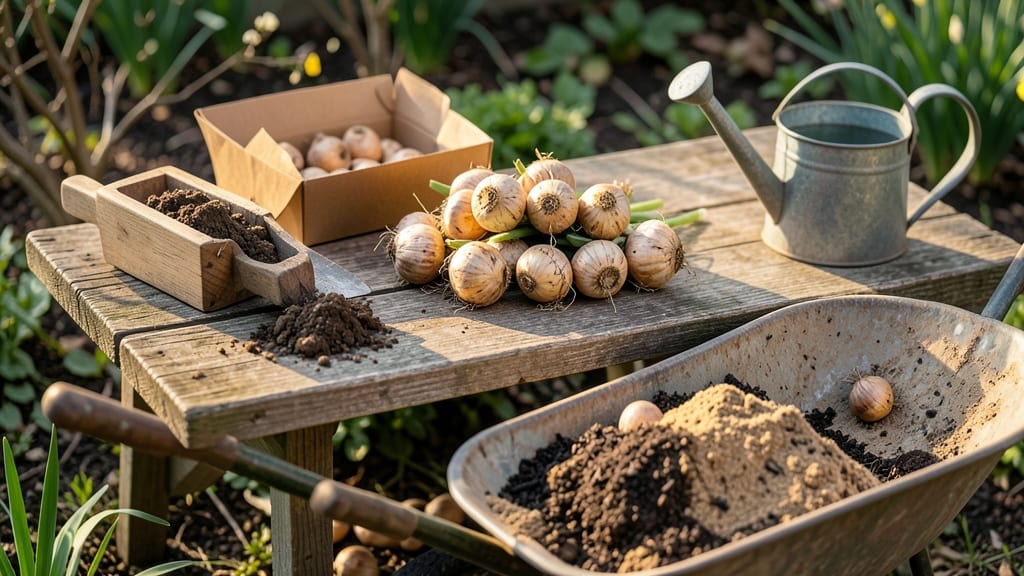
Planting daffodils in Colorado at the wrong time can mean the difference between vibrant spring blooms and wasted bulbs. The key window for fall planting—when soil temps drop but frost hasn’t arrived—sets the stage for next year’s 🌼 displays.
In USDA Zones 5-7, timing matters more than you’d think, especially with Colorado’s unpredictable freeze cycles.
Most gardeners in Denver and the Front Range aim for September through early November, but mountain areas with earlier frosts may need to start as early as mid-August.
The goal? Give those bulbs 6-8 weeks to root before winter dormancy kicks in. Too late, and they’ll rot; too early, and they might sprout before cold sets in.
I’ll break down exactly when to plant based on your elevation—whether you’re in Zone 5’s cooler valleys or Zone 7’s high desert—plus soil prep tricks to ensure your daffodils thrive. No more guessing games, just reliable blooms year after year.
Ready to turn your Colorado garden into a springtime showstopper? Let’s dive into the perfect planting schedule and pro tips that’ll have your neighbors asking for your secrets.
Best planting months for daffodils in Colorado’s Zone 4-5 climate
Colorado’s Zone 4-5 climate creates a narrow window for planting daffodil bulbs—too early and they’ll rot in warm soil, too late and they won’t establish roots before winter. The ideal planting window spans from mid-September to early November, aligning with soil temperatures between 40°F and 60°F.
This timing ensures bulbs develop roots before the ground freezes, guaranteeing vibrant spring blooms.
For Front Range areas like Denver and Boulder, aim to plant by October 15 to avoid early freezes. In mountain regions (e.g., Summit County), shift planting to late September when cooler temperatures arrive sooner.
Always check your local last frost date—Colorado’s varies by elevation, typically late April to early June for last frost and late September to early November for first frost.
Daffodils thrive when planted 6-8 weeks before the ground freezes. In Colorado, this translates to September 15 to October 15 for most gardeners. If you miss this window, wait until early November—but avoid planting after November 15, as bulbs won’t establish roots before winter dormancy begins.
Soil temperature is your best guide: use a soil thermometer to confirm temperatures are consistently below 60°F at a depth of 4 inches. In Colorado’s alkaline soils, cooler temperatures also reduce the risk of bulb rot, a common issue when planting too early.
Adjust your timing based on microclimates. South-facing slopes warm up faster, so plant bulbs 2-3 weeks earlier than north-facing areas. At higher elevations (e.g., 8,000+ feet), plant by mid-September to avoid short growing seasons.
Always prioritize root establishment over early planting—bulbs need 4-6 weeks to develop roots before winter.
| Timing Factor | Colorado-Specific Guidance | Actionable Tip |
|---|---|---|
| Ideal Planting Window | Mid-September to early November | Aim for 6-8 weeks before first frost (typically October 15 for Front Range). |
| Soil Temperature | 40°F–60°F at 4" depth | Use a soil thermometer to confirm—plant when temps drop below 60°F. |
| Elevation Adjustments | Mountains: Late September; Plains: October | Higher elevations (8,000+ ft) need earlier planting to avoid short seasons. |
| Last Chance Planting | Early November (if soil isn’t frozen) | Bulbs may bloom later or smaller but can still thrive. |
| Microclimate Tips | South slopes: 2 weeks earlier; North slopes: 2 weeks later | Observe your garden’s warmth patterns—sun exposure matters! |
Colorado’s unpredictable freeze-thaw cycles can disrupt bulb establishment. If temperatures dip below 32°F within 2-3 weeks of planting, mulch with 2-3 inches of straw to insulate bulbs. This is especially critical in Zone 5 mountain regions, where sudden cold snaps are common.
For container gardening, plant daffodils in late September to avoid overheating in pots. Use containers with drainage holes and place them in partial shade during the day to slow soil warming.
In-ground plantings benefit from well-draining soil—amend clay-heavy soils with compost or sand to prevent waterlogging, which can cause bulb rot.
Pro tip: Mark your planting sites with biodegradable flags to avoid disturbing bulbs in spring. Daffodils need 6-8 hours of sun daily for robust blooms, so choose locations with full sun exposure. In shadier microclimates (e.g., under trees), expect fewer but longer-lasting flowers.
If you’re new to Colorado gardening, start with hardy daffodil varieties like ‘Ice Follies’ or ‘Tête-à-Tête’, which thrive in Zone 4-5 and tolerate colder soils. These varieties also resist squirrel damage, a common issue in Colorado gardens where critters love digging up bulbs.
Remember: Patient planting pays off. Daffodils planted at the right time will reward you with vibrant spring blooms year after year, even in Colorado’s challenging climate. With the right timing and soil prep, your garden will burst into color just as winter fades away. 🌼
Best planting months for daffodils in Colorado’s Zone 4-5 climate
Colorado’s Zone 4-5 climate demands precise timing for daffodil bulbs—aim for 6-8 weeks before the first hard frost. In most Front Range areas (like Denver), this means September through mid-October, while mountain regions (e.g., Summit County) should plant late August to early September to beat early frosts.
Soil temperatures are your best guide: 60°F (15°C) or cooler signals it’s time. Use a soil thermometer or watch for fall color changes in nearby trees—a sure sign cooler weather is coming. In Zone 5’s cooler valleys, wait until late September to avoid premature sprouting.
Here’s how to align your planting with Colorado’s microclimates:
Pro tip: Check your local frost date—Colorado’s can vary by 2-3 weeks between valleys and mountains. Use the National Weather Service’s frost calendar or ask your local Cooperative Extension office for precise dates tailored to your neighborhood.
If you miss the fall window, late winter planting (February) is possible, but spring blooms may be delayed. The trade-off? Fewer pest pressures like squirrels or voles, which love fresh bulbs in fall.
Remember: Well-timed planting isn’t just about months—it’s about soil conditions. Daffodils need 6-8 weeks of root growth before winter, so don’t rush! Aim for cool but workable soil—not muddy or frozen.