
Plants
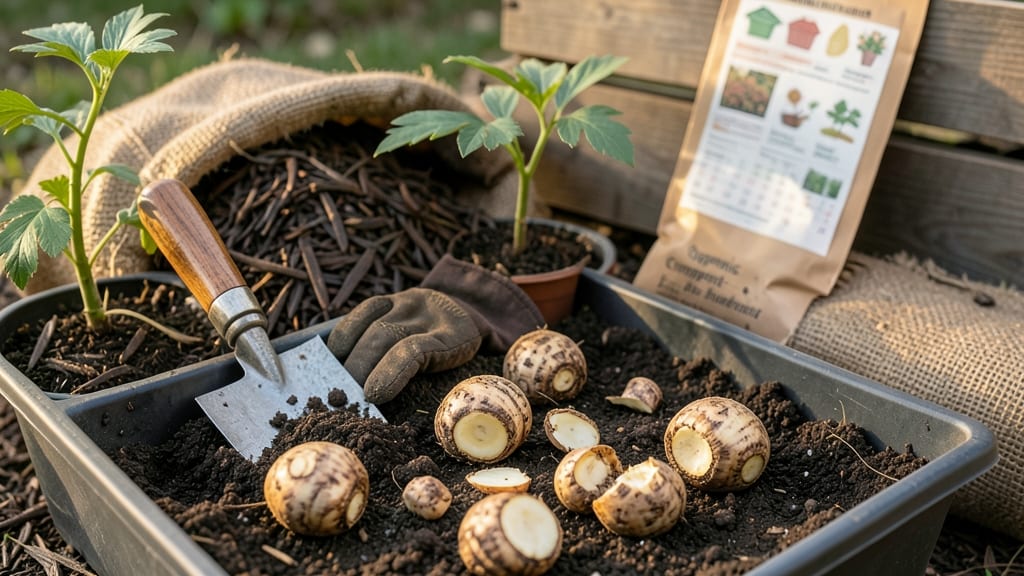
When to plant dahlia bulbs in Wisconsin isn’t just about the calendar—it’s about beating frost while giving your 🌸 their best shot at a showstopping summer. Plant too soon, and Mother Nature’s freezer will ruin your plans; wait too long, and you might miss the peak blooming season from July to October.
Most Wisconsin gardeners in zones 4b-5b aim for mid-April to mid-May, but that’s just the starting line. The real secret lies in your microclimate—whether you’re tucked in a sheltered backyard or battling wind in Green Bay.
I’ll show you how to read your local frost patterns and adjust planting dates to squeeze every last bloom from your dahlias.
Beyond the calendar, soil prep and a few pro tricks can shave weeks off your wait time. We’re talking mulch hacks, greenhouse shortcuts, and even how to coax tubers into early growth—all tailored to Wisconsin’s unpredictable swings from freezing nights to sudden heatwaves.
Let’s turn your dahlias into the star of your garden before the first frost sneaks back in.
Ready to skip the guesswork? You’ll leave this guide knowing exactly when to plant, how deep to bury those bulbs, and the one mistake that wipes out Wisconsin dahlias faster than a late October chill. Your summer color palette starts now.
Wisconsin’s frost-free timeline: when to plant dahlia bulbs for maximum blooms
Wisconsin’s hardiness zones 4b-5b mean your dahlia planting window hinges on last frost dates and soil temperature. Most regions see their final frost between mid-April and early May, but timing varies by location.
For example, Milwaukee typically hits its last frost around April 28, while Madison may wait until May 5. Planting too soon risks frost damage, but waiting too long delays your summer blooms.
Dahlias thrive when soil temperatures reach 55°F or warmer. In Wisconsin, this usually aligns with late May in cooler northern areas like Green Bay (Zone 4b), but can be as early as mid-May in southern regions like La Crosse (Zone 5b).
Always check your local USDA frost data or use a soil thermometer to confirm readiness.
Here’s how Wisconsin’s regions stack up for dahlia planting:
🌱 Wisconsin Dahlia Planting Timeline by Region
| Region | Avg. Last Frost | Ideal Planting Window | Soil Temp. Goal |
|---|---|---|---|
| Northern WI (Green Bay, Eau Claire) | May 1–5 | Late May (after May 15) | 55°F+ |
| Central WI (Madison, Milwaukee) | April 25–May 5 | Early to mid-May | 55°F+ |
| Southern WI (La Crosse, Janesville) | April 15–25 | Mid-April to early May | 55°F+ |
| Urban Heat Islands (Milwaukee, Madison) | April 10–20 | Late April (with protection) | 50°F+ (start chitting indoors) |
📌 Pro Tip: Use row covers or greenhouses to plant 2–3 weeks earlier in urban areas where heat islands delay frost.
For maximum blooms, aim to plant dahlia tubers 2–3 weeks after your last frost. This gives roots time to establish before Wisconsin’s hot summers arrive. In Zone 4b areas, this often means waiting until early June—don’t rush!
Dahlias planted too early may bolt (send up stems too quickly) and produce fewer flowers.
Wisconsin’s short growing season (about 165 frost-free days) means every week counts. If you’re in a northern county, prioritize early-maturing varieties like ‘Café au Lait’ or ‘Thomas Edison’ (both 60–70 days to bloom).
Southern gardeners can experiment with taller varieties like ‘Galaxy’ or ‘Bishop,’ which take 90–100 days but reward you with 6-foot stems.
Always chit your tubers (place them in a bright, cool spot 4–6 weeks before planting) to jumpstart growth. This is especially critical in Wisconsin’s cool springs. A chitted tuber will have 1–2 inch sprouts when you plant, giving it a 2-week head start over unchitted bulbs.
After planting, mulch heavily with straw or shredded leaves to insulate roots and retain moisture. Wisconsin’s clay-heavy soils can dry out quickly in summer, so mulch also prevents cracking. In windy areas (common near Lake Michigan), use windbreaks or plant dahlias near fences to protect delicate stems.
Monitor your garden for late frosts, which can sneak in until mid-May in some years. Keep a frost cloth handy for newly planted tubers until you’re confident the threat has passed. Once established, dahlias are hardy to Zone 3, but young plants are frost-sensitive.
🌸 For a longer blooming season, deadhead spent flowers regularly and fertilize every 4–6 weeks with a balanced bloom booster. In Wisconsin, this keeps dahlias flowering until first frost in October—sometimes even later with protection!
Microclimate secrets: adjusting planting time for urban gardens, greenhouses & windy areas
Wisconsin’s microclimates can shift your dahlia planting window by 2-4 weeks, so don’t rely on the average last frost date. Urban areas like Milwaukee often warm up faster due to heat islands, while windy regions near Green Bay may need delayed planting.
I’ve planted dahlias in both settings—here’s how to adapt your timing.
Greenhouses and cold frames are game-changers. Start tubers indoors 4-6 weeks before your typical outdoor date (around early April for most Wisconsin gardeners). This gives you a 14-day head start on the season. Just ensure your greenhouse stays above 50°F at night to prevent stunted growth.
Urban gardens often experience earlier soil warming from pavement and buildings. If your backyard feels like a heat island, you might plant 1-2 weeks earlier than rural areas. Test soil temperature with a probe—aim for 55°F+ at 4 inches deep before planting.
DO THIS
- 🌱 Plant in greenhouses 4-6 weeks early for a longer season
- 📍 Use row covers to extend outdoor planting by 2 weeks
- 🌡️ Test soil temp (55°F+ at 4" depth) before planting
- 🏙️ Adjust for urban heat—plant 1-2 weeks earlier
AVOID THIS
- ❄️ Plant before soil warms—cold soil stunts roots
- 💨 Ignore wind exposure—delay planting in open areas
- 🌧️ Plant during rain—compacted soil drowns tubers
- 🏡 Skip microclimate checks—assume "average" dates
Windy areas (like northern Wisconsin) need extra caution. Delay planting until after May 15 to avoid frost damage from late cold snaps. Use windbreaks or plant near fences to protect young shoots. I’ve seen dahlias in exposed areas struggle until they reach 12 inches tall—patience pays off.
For container gardening, start tubers indoors 6-8 weeks early (by late March). Potted dahlias need consistent warmth—place containers on heat mats if night temps dip below 50°F. Move them outdoors only after all danger of frost has passed, typically late May to early June.
Pro tip: Mark your calendar for Mother’s Day weekend (mid-May) as a safe outdoor planting baseline across most of Wisconsin. By then, soil temps are reliably warm, and the risk of frost has dropped below 10%. Your dahlias will thank you with bold, continuous blooms all summer.