
Plants
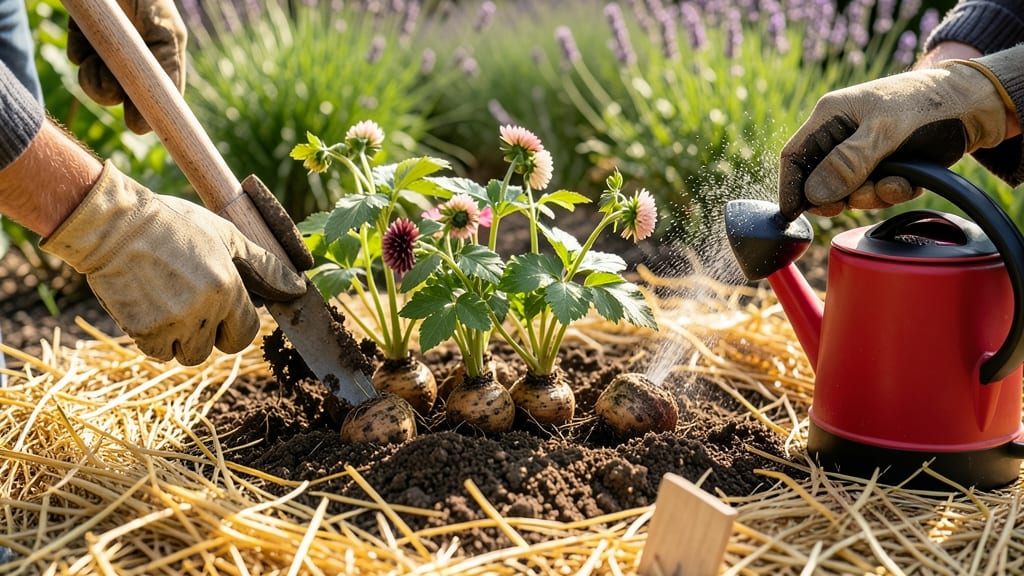
Planting dahlias in Georgia at the wrong time means either freezing tubers or wilting blooms before they even begin. The key to stunning 🌸 displays from July through October starts with knowing exactly when to get those tubers in the ground—and how to protect them from Georgia’s infamous heat and humidity spikes.
Most gardeners in zones 7b-8b wait until after the last frost (typically around March 15), but rushing can backfire. Soil needs to warm to at least 60°F for tubers to sprout without risking rot, and planting too late leaves dahlias struggling through peak summer heat.
The sweet spot? Between April 15 and May 1, when temperatures stabilize and the ground is ready.
Here’s the game-changer: staggered planting. By spacing tubers 2-3 weeks apart, you’ll extend your blooming season and avoid the dreaded "July fade" that hits many Georgia gardens.
I’ll walk you through exactly how to time it, adjust for microclimates (like urban heat islands), and even choose heat-tolerant varieties that thrive in 90°F+ afternoons.
Ready to transform your garden into a nonstop 🌸 parade? Let’s dive into the zone-specific schedule that’ll keep your dahlias flourishing—no matter how hot Georgia gets.
Georgia’s best planting windows for dahlias by hardiness zone
Georgia’s USDA Hardiness Zones 7b-8b create a unique challenge for dahlias—too early, and late frosts (common until mid-March) will kill tender tubers; too late, and summer heat can stress young plants before they establish.
The sweet spot? After your last frost date, when soil temps hit 60°F+ consistently.
For most of Georgia, this means mid-April to early May is ideal, but zone-specific adjustments matter. Northern Georgia (Zone 7b) gardeners should wait until April 15, while southern regions (Zone 8b) can start as early as March 20 in microclimates like Savannah or Waycross, where frost is rare.
🌱 Pro Tip: Use a soil thermometer—dahlias won’t thrive until soil reaches 60°F at 4-inch depth. Cold soil delays root growth, making plants vulnerable to root rot in Georgia’s humid summers.
| Zone | Last Frost Date | Best Planting Window | Soil Temp Threshold | Heat Risk |
|---|---|---|---|---|
| 7b (N. GA: Blue Ridge, Athens) | Mid-March | April 15–May 1 | 60°F+ | High (June–Aug) |
| 8a (C. GA: Macon, Columbus) | Late Feb–Early March | March 20–April 15 | 60°F+ | Moderate (May–Sept) |
| 8b (S. GA: Savannah, Brunswick) | Jan–Feb (rare) | March 1–March 20 | 60°F+ | Low (April–May) |
If you’re in Zone 7b, consider staggered planting: start a few tubers in late April and the rest in early May to extend your bloom season.
This works because Georgia’s heat arrives early—by June, daytime temps often hit 90°F+, which can stress dahlias if they’re not established.
🌡️ Watch for: Nighttime temps below 55°F after planting—this can stunt growth. Use row covers if frost warnings appear in May (yes, it happens!).
For container growers, the window narrows to April 1–May 10—potted dahlias dry out faster and can’t handle Georgia’s intense summer sun without extra care. Place containers in partial shade by July to prevent wilting.
💡 Urban vs. Rural Tip: City gardens (e.g., Atlanta) often warm up 1–2 weeks earlier than rural areas due to the heat island effect. Test soil in both locations before planting.
Finally, late May plantings are risky but possible if you choose heat-tolerant varieties like ‘Café au Lait’ or ‘Bishop.’ These hold up better in 90°F+ temps, though blooms may be smaller. Pair them with drip irrigation to avoid fungal issues from overhead watering.
☀️ Remember: Dahlias need 6+ hours of sun daily, but in Georgia’s humid heat, afternoon shade (especially in Zone 8b) can mean the difference between thriving plants and wilting stalks.
Signs your Georgia soil and climate are ready for dahlias
Before sticking those dahlia tubers in the ground, your Georgia soil and climate must meet three key criteria: warmth, dryness, and stability. Cold, soggy soil is a death sentence for tubers, while sudden heat spikes can stress young plants.
Let’s break down how to check your garden’s readiness without fancy tools—just your hands and eyes.
First, test soil warmth using the finger method. Stick your finger about 4 inches deep—if it feels warmer than 60°F (like a lukewarm bath), your tubers are safe to plant.
In zone 7b, aim for mid-April; in zone 8b, early April works. Pro tip: Morning soil temps are cooler, so test in the afternoon for accuracy.