
Plants
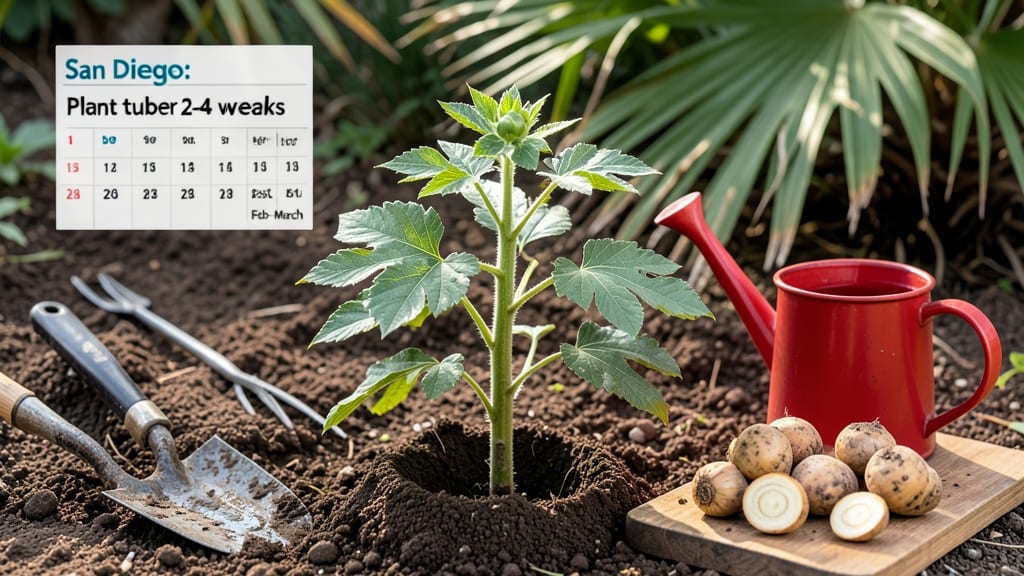
Timing your dahlia planting in San Diego can mean the difference between showstopping blooms and sad, wilted stems—especially in our unique coastal climate. Since frost is rarely a concern here, the real key lies in soil warmth and avoiding those unpredictable winter rains that can drown tender tubers.
Most gardeners in USDA Zone 10a know the struggle: plant too early, and your dahlias rot in soggy soil; wait too long, and you miss the sweet spot for vigorous growth.
The ideal window is actually mid-February to March, when temperatures consistently stay above 60°F and the ground has dried out from winter showers.
But here’s the game-changer: coastal areas like San Diego County have cooler, wetter winters than inland spots, so your timing might need a tweak. I’ll break down exactly when to plant—plus how to prep your soil, protect your tubers, and keep those 🌸 dahlias thriving through our long, sunny summers.
Ready to transform your garden into a nonstop bloom festival? Let’s get those tubers in the ground at the perfect moment—no guesswork, just stunning results.
Best weeks to plant dahlias in San Diego’s coastal vs inland zones
San Diego’s Mediterranean climate means dahlias can bloom year-round with the right timing, but coastal and inland zones have key differences. Coastal areas like La Jolla stay cooler and wetter longer, while inland spots near Temecula warm up faster.
Understanding these microclimates helps you plant tubers when soil reaches the ideal 60°F—the magic number for root growth.
For coastal San Diego, aim for mid-February to early March when winter rains taper off and soil temperatures stabilize. Inland areas can plant 2-3 weeks earlier (late January to February) since they warm faster.
Always check your local last frost date, though San Diego’s frost-free guarantee makes timing simpler than in colder regions.
Here’s how to match your location to the perfect planting window:
| Zone | Ideal Planting Window | Soil Temp Threshold | Key Consideration |
|---|---|---|---|
| Coastal (e.g., San Diego, La Jolla) | Mid-February to early March | 60°F+ (consistent) | Higher humidity; watch for fungal risks |
| Inland (e.g., Temecula, Riverside) | Late January to February | 60°F+ (earlier warmth) | Drier; faster soil warming |
| Desert Nearby (e.g., Borrego Springs) | Early February | 55°F+ (adjust for heat) | Extreme heat; mulch heavily |
Planting too early in coastal areas risks soggy soil from lingering winter rains, while inland gardeners may face heat stress if tubers are planted before soil warms. Use a soil thermometer ($10 at garden centers) to confirm readiness—this small tool saves hours of guesswork.
Pro tip: Pre-soak tuber clusters in lukewarm water for 24 hours before planting. This jumpstarts root growth and compensates for cooler coastal soils. Inland gardeners can skip this step unless you’re planting in sandy soil, which drains too quickly.
After planting, focus on consistent moisture for the first 4 weeks. Dahlias hate drying out, and San Diego’s spring sunshine can bake soil faster than you think. Water deeply 2-3 times per week until shoots emerge, then taper to once weekly once established.
For coastal gardeners, add a 2-inch layer of straw mulch to insulate tubers and prevent fungal diseases like powdery mildew. Inland areas benefit from gravel mulch to reflect heat and retain moisture. Both strategies extend your blooming season by 3-4 weeks.
Remember: Dahlias are perennials in San Diego, meaning tubers survive winters if protected. But first-year plants need extra care. Stake tall varieties (like ‘Café au Lait’) at planting to avoid wind damage from coastal breezes.
🌸
Best weeks to plant dahlias in San Diego’s coastal vs inland zones
San Diego’s microclimates create a tricky puzzle for dahlia lovers. Coastal areas like La Jolla or Encinitas stay cooler and wetter longer, while inland spots near Escondido or Ramona dry out faster.
The key difference? Soil warmth and rain timing. For coastal zones, aim for late February to early March when winter rains taper off and soil reaches 60°F.
Inland gardeners have more flexibility, thanks to drier conditions. They can plant mid-February to mid-March without worrying about soggy soil. The real magic number is soil temperature—use a soil thermometer to confirm it’s consistently above 60°F before planting. This ensures your tubers won’t rot in cold, damp earth.
🌱 Pro Tip: If you’re in a transition zone (like Carlsbad or San Marcos), err on the side of waiting. The extra week of warmth in March gives your dahlias a stronger start, especially for tall varieties that need sturdy stems.
Don’t let San Diego’s unpredictable weather throw off your timing. Check the National Weather Service for your specific area—coastal spots often see January-February rains that can delay planting by 2-3 weeks.
If you’re in Zone 10a, mark your calendar for February 20th as your cutoff: after this date, soil warmth becomes more reliable.
For container gardening, you can push planting back to early April since pots warm up faster. Just ensure your containers have drainage holes and use a lightweight potting mix to prevent compaction.
My 🪴 pro move? Add a heat mat under containers if you’re eager to start earlier—it can shave off 1-2 weeks of waiting.
Once your dahlias are in the ground, mulch heavily (3-4 inches) to lock in moisture and regulate soil temperature. In coastal areas, this is non-negotiable—it’s the difference between lush blooms and wilting stems by summer.
Pair this with morning watering to avoid fungal issues, and you’ll have dahlias that thrive from June through October.