
Plants
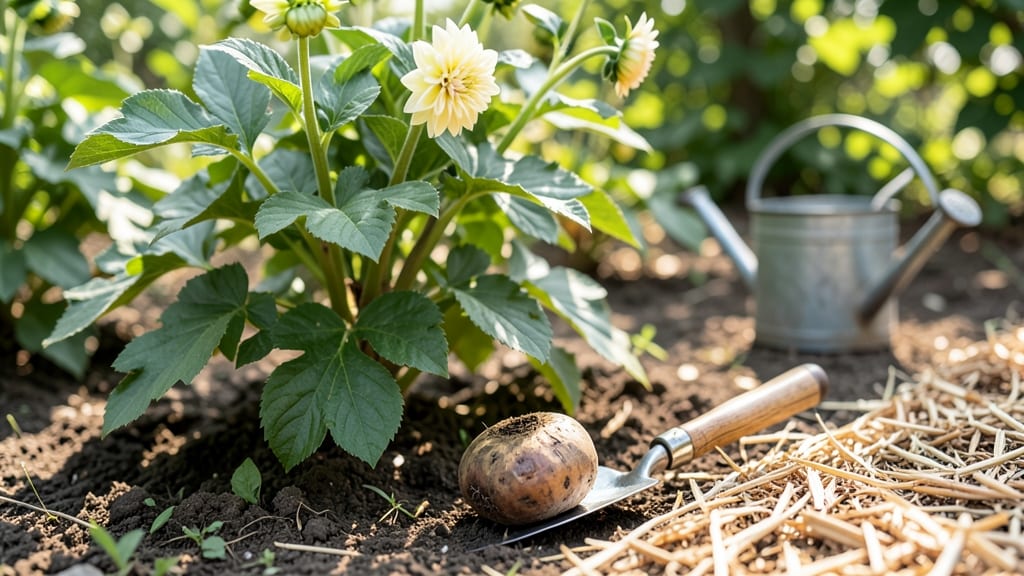
Planting dahlias in South Africa isn’t just about timing—it’s about surviving the climate’s quirks. Whether you’re in frost-prone inland areas or coastal zones where summer heat arrives early, getting those tubers in the ground at the right moment makes all the difference between show-stopping blooms and wilted disappointment.
Most gardeners in zones 10a (Coastal) and 9b (Inland) know the struggle: plant too soon, and a late frost will turn your 🌼 dahlias into sad, mushy messes. Wait too long, and the relentless summer sun will leave your plants struggling before they even bloom.
The sweet spot? August to September—after the last frost risk has passed but before the real heat sets in.
Here’s the secret: your microclimate dictates everything. Coastal gardeners can push planting into early September, while inland areas should aim for mid-August.
We’ll break down exactly when to chit your tubers, how deep to plant them, and the 3 critical care steps that keep your dahlias thriving once they’re in the ground.
Ready to turn your garden into a dahlia paradise? Let’s dive into the planting calendar that’ll have your blooms stealing the show—no matter where you are in South Africa.
South Africa’s dahlia planting zones by region: frost dates & soil prep
South Africa’s varied climates mean dahlia planting windows shift dramatically from the coastal subtropics to the Highveld’s frost-prone highlands. In Durban (Zone 10a), you can plant tubers as early as June, while Pretoria (Zone 6b) gardeners must wait until mid-September to avoid frost damage.
Understanding your microclimate’s last frost date is critical—most regions experience their final frost between June 15 and July 31, but coastal areas like Cape Town rarely see frost.
For soil preparation, dahlias thrive in well-draining, nutrient-rich soil with a pH of 6.0–7.0. Before planting, amend heavy clay soils with organic matter (compost or sand) to prevent waterlogging, which causes tuber rot.
In sandy soils, mix in peat moss or coconut coir to retain moisture. Test your soil’s drainage by digging a 12-inch hole—if water pools after 30 minutes, improve drainage before planting.
Here’s how to prepare your planting site based on your region:
| Region | Last Frost Date | Ideal Planting Window | Soil Prep Tip |
|---|---|---|---|
| Coastal (Cape Town, Durban) | None (Frost-free) | June–July (for summer blooms) | Add sand to prevent waterlogging |
| Highveld (Pretoria, Johannesburg) | July 15–August 1 | September 1–15 | Mulch heavily to insulate tubers |
| Karoo (Kimberley, Upington) | June 1–June 15 | September 1–30 (late) | Use raised beds for warmth |
| Subtropical (KwaZulu-Natal) | None (Frost-free) | May–June (for winter blooms) | Shade cloth for summer heat |
In frost-prone areas, I recommend chitting tubers indoors 6–8 weeks before your last frost date. Place tubers in a bright, cool spot (10–15°C) with the “eyes” (growth points) facing up.
Once sprouts reach 1–2 inches, harden them off by gradually exposing them to outdoor conditions for 1–2 hours daily. This acclimatization process reduces transplant shock when you plant outdoors.
For coastal gardeners, focus on heat-tolerant varieties like ‘Café au Lait’ or ‘Bishop’, which thrive in summer heat. In contrast, Highveld gardeners should prioritize early-flowering varieties like ‘Thomas Edison’ or ‘Karma Choc’ to beat the first autumn frosts.
Always check the mature height of your chosen variety—tall dahlias (4–6 ft) need staking and wind protection, while dwarf varieties (1–2 ft) are perfect for containers or borders.
After planting, mulch heavily with straw or wood chips to retain moisture and regulate soil temperature. In hot climates, mulch also protects tubers from scorching sun. Avoid using fresh manure or high-nitrogen fertilizers at planting time—these can burn tender roots.
Instead, mix in a slow-release fertilizer (5-10-10) or composted cow manure to provide steady nutrients.
Pro tip: In urban areas with limited space
Step-by-step planting calendar: when to break dormancy & transplant tubers
Your dahlias’ journey starts indoors, where chitting tubers gives them a head start. Begin this process 6-8 weeks before your region’s last frost date—typically mid-July for inland areas and late July for coastal zones.
Place your tubers in a tray with slightly damp compost, with the "eyes" (sprouting points) facing upward. Store them in a bright, frost-free spot (like a sunny windowsill) where temps stay between 10-15°C (50-59°F).
Once sprouts appear (usually 2-3 weeks later), it’s time to harden off seedlings. Move your trays outdoors for 2-3 hours daily, gradually increasing exposure over 7-10 days.
This toughens up young stems so they survive transplant shock. Skip this step, and your dahlias may struggle with wilting or stunted growth once planted.
Place tubers in damp compost with "eyes" upward in 10-15°C conditions. Sprouts appear in 2-3 weeks.
Gradually expose seedlings to outdoor conditions for 2-3 hours/day, increasing over 7-10 days.
Plant tubers 4-6 inches deep in well-draining soil after last frost. Space 18-24 inches apart for large varieties.
Water deeply at base (avoid wetting foliage) and mulch to retain moisture. Stake tall varieties early to prevent wind damage.
Now for the critical transplant window: August to September, once soil temperatures hit 15°C (59°F) and all frost risk has passed. Dig holes 4-6 inches deep, placing each tuber with the sprouts facing upward.
Space 18-24 inches apart for large varieties (like ‘Karma Choc’) and 12 inches apart for dwarf types (such as ‘Mignon’ series). Amend the soil with compost and perlite to improve drainage—dahlias hate soggy roots.
After planting, water deeply at the base (never overhead) to settle the soil. Mulch with straw or wood chips to lock in moisture and regulate soil temps. Avoid fertilizing for 2-3 weeks—your dahlias need time to establish roots before they can handle nutrients.
Instead, focus on staking tall varieties early to prevent wind damage, especially in coastal areas where breezes can snap stems.
Pro tip: If you’re in a subtropical zone (like Durban), you can push planting into early October—just choose heat-tolerant varieties like ‘Café au Lait’ or ‘Bishop’. These handle summer’s intensity better than traditional types.
For inland gardeners, mid-August planting is ideal to beat the heat and give blooms time to develop before winter sets in.
Finally, mark your calendar for late March—this is when you’ll dig up tubers, cut back foliage, and store them in dry peat or sand for next season. But for now? Sit back and watch your dahlias transform from tiny sprouts into garden showstoppers—all thanks to perfect timing.