
Plants
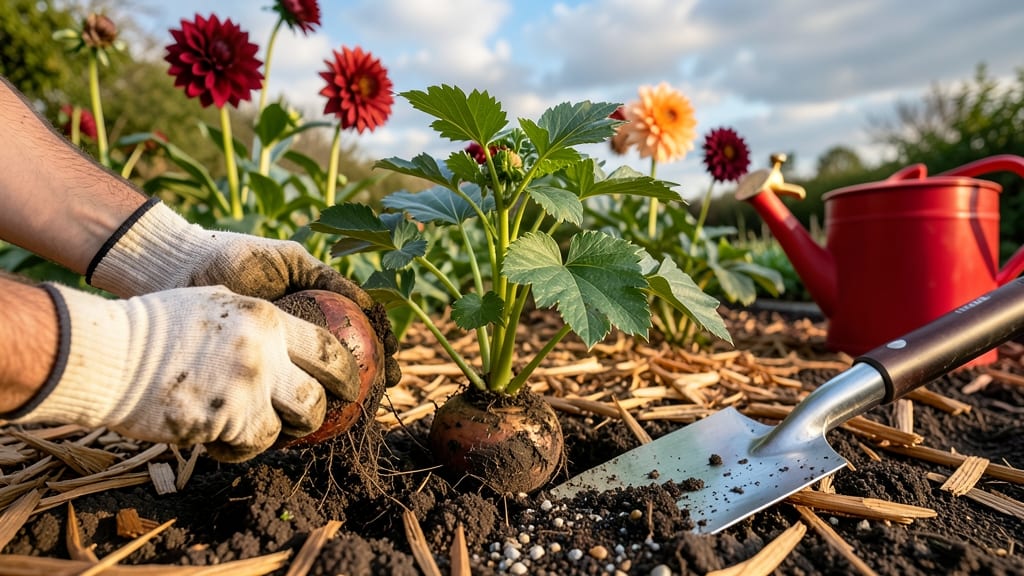
When to plant dahlias in Southern California can mean the difference between a garden bursting with 🌼 blooms by June and waiting until summer’s already fading. With frost-free zones like 9b-11 and microclimates ranging from coastal chill to inland heat, getting it right requires more than just a calendar—it’s about reading your local weather patterns.
Most gardeners in SoCal start planting dahlias between February and April, but that window shifts dramatically depending on whether you’re in the foggy coastal areas or the sunbaked Inland Empire.
Planting too early in cooler zones risks soggy tubers, while waiting too long in hotter areas might push your blooms to arrive after peak summer interest.
Here’s the game-changer: a 4-step strategy to pinpoint the perfect moment for your location, including soil temperature checks, frost-free deadlines, and how to adjust for early vs. late bloomers.
Let’s dive into the exact timing that’ll have your dahlias thriving when they should—and skipping the common mistakes that waste time and money.
Whether you’re a seasoned gardener or just starting with tubers, these insights will help you avoid the critical mistakes that derail even the best-laid plans. Ready to turn your garden into a dahlia paradise? Let’s get started.
Southern California dahlia planting zones: frost-free deadlines by region
Southern California’s microclimates create a puzzle for dahlia lovers. While USDA zones 9b-11 suggest year-round growth, coastal fog and inland heat demand precise timing. Dahlias thrive when planted after soil warms to 60°F (15°C), but coastal areas risk rot if planted too early.
Let’s break down the 5 key regions and their frost-free deadlines.
Your last frost date isn’t just December 15—it’s a moving target. Coastal Santa Barbara may see frost in January, while Palm Springs stays frost-free year-round. Inland valleys like Riverside can plant 2-3 weeks earlier than coastal San Diego.
Use these regional guidelines to align your planting with local weather patterns.
🌱
For coastal gardeners, soil temperature matters more than calendar dates. Use a soil thermometer to confirm 60°F (15°C) before planting. Inland areas can push the window to mid-February, but avoid planting after April 15—your dahlias will struggle to establish before summer’s peak heat.
Pro tip: Desert gardeners should plant in January to beat the summer heat. Use shade cloth for newly transplanted tubers until roots establish. In LA’s urban heat islands, late February plantings often outperform early ones due to warmer microclimates.
🌿
If you’re in transition zones (like Orange County), split the difference. Plant half your tubers in early March and the rest in mid-April for staggered blooms. This staggered approach also helps if a late frost threatens—you’ll still have survivors.
Remember: Dahlias hate wet feet. Coastal gardeners should amend soil with perlite or sand to improve drainage. Inlanders? Focus on mulching to retain moisture during SoCal’s dry springs. Both strategies keep your tubers happy until they’re ready to burst into bloom.
☀️
For container gardeners, adjust timing by 2-3 weeks later—pots heat up faster and dry out quicker. If you’re using black plastic pots, plant 1 week earlier
How to adjust planting timing for early vs. late bloomers
Not all dahlias bloom at the same time, and your SoCal location plays a huge role in when to plant them for peak summer color. Early bloomers like ‘Karma Choc’ (deep purple-black) can start showing flowers as early as June, while late bloomers such as ‘Happy Single’ (cheerful yellow) may not hit their stride until September.
The key is matching your variety to your local climate and adjusting your planting window accordingly.
In cooler coastal areas (e.g., Santa Barbara), where soil warms slowly, I recommend planting early bloomers 4-6 weeks after your last frost date—typically mid-to-late March. This gives them time to establish roots before the heat of summer arrives.
For hotter inland zones (e.g., Palm Springs), where the ground heats up faster, you can push planting to late March or even early April to avoid stressing tubers with premature warmth.
🌱
1. Plant Early Bloomers First
Start with early varieties (e.g., ‘Café au Lait’) in February-March for coastal zones. These need cooler soil to establish roots before summer heat arrives.
2. Stagger Late Bloomers
For late bloomers (e.g., ‘Thomas Edison’), wait until late March-April in inland areas. Plant them 2-3 weeks after your early varieties to extend your bloom season.
3. Use Soil Warmers for Coastal Gardens
In foggy coastal areas, warm soil with black plastic mulch or row covers 1-2 weeks before planting. This speeds up root growth and prevents tuber rot from lingering moisture.
For gardeners in transitional zones (like the LA Basin), I recommend a hybrid approach: plant half your tubers in early March and the other half in mid-April.
This creates a continuous bloom display from June through October, giving you the best of both early and late varieties without the guesswork.
Pro tip: If you’re planting in May or later, focus on heat-tolerant varieties like ‘Galaxy’ or ‘Arabian Night.’ These handle SoCal’s summer heat better than traditional types. Just be sure to mulch heavily to retain moisture and protect tubers from extreme temperatures.
🌿