
Plants
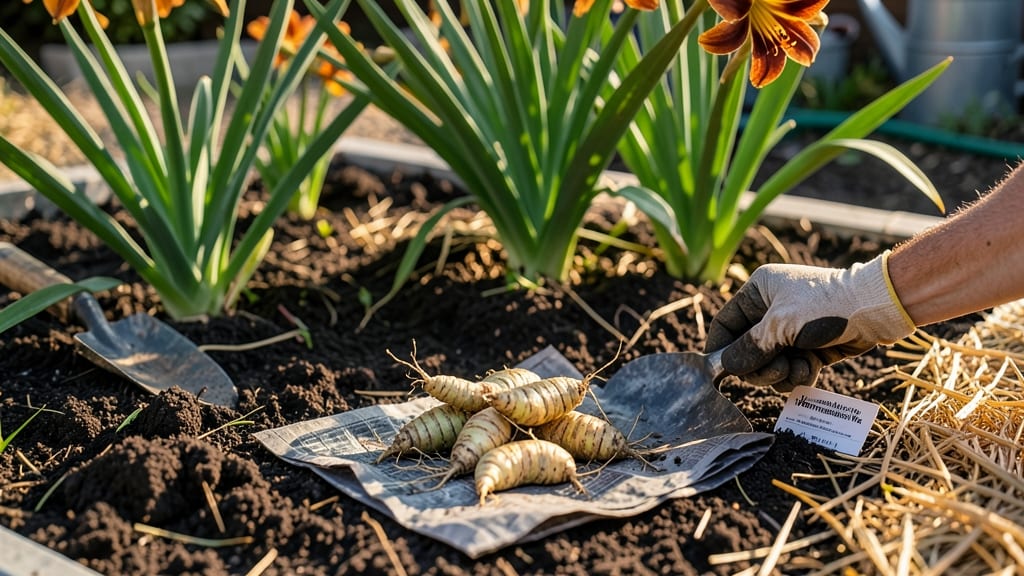
If you're dreaming of year-round blooms from your daylilies 🌸 in Zone 9, when to plant daylily bulbs in this climate is the first step to success.
The key to thriving daylily rhizomes (not bulbs!) lies in planting them during two perfect windows—fall or early spring—when the heat isn’t working against you.
Zone 9’s warm climate means summer planting is a no-go, but many gardeners still struggle with when exactly to get those rhizomes in the ground.
I’ll show you the exact months that give your daylilies the best shot at flourishing, plus how to prep your soil for maximum success in Southern California’s unique conditions.
Whether you're in Arizona’s desert or Florida’s humidity, the rules are the same: avoid the scorching summer months and focus on cooler seasons. Let’s dive into the perfect planting schedule that’ll have your garden bursting with color all year long.
You’ll also discover how to avoid common mistakes that kill daylilies in Zone 9’s heat, like planting too deep or overwatering. Trust me, these simple tweaks make all the difference!
Optimal planting months for daylily bulbs in Zone 9’s heat
First, let’s clear up a common misconception: daylilies don’t grow from bulbs—they thrive from rhizomes (thick, horizontal root systems). In Zone 9’s warm climate, timing is everything to avoid heat stress and ensure robust blooms.
The best windows are fall (October–November) and early spring (February–March), when soil temperatures are cooler but still above freezing.
Zone 9’s 300+ frost-free days mean summer planting is a major no-go. Rhizomes planted in summer (June–August) risk rotting from excessive heat and poor moisture retention. Even in Zone 9b, where winters are mild, fall planting gives rhizomes time to establish roots before summer’s intensity.
For Southern California and Arizona, aim for late September–October to beat the 100°F+ heat waves. In Florida’s Zone 9, where humidity spikes, November planting is ideal to avoid fungal risks. Spring planting (February–March) works too, but rhizomes need 6–8 weeks to root before summer’s peak heat arrives.
Here’s the golden rule: Plant when soil temps are between 60–75°F. Use a soil thermometer to check—if it’s hotter, wait. Cooler soil reduces transplant shock, and warmer air temps (but not scorching) help rhizomes acclimate faster.
Pro tip: Morning planting (before 10 AM) minimizes stress. Avoid weekends—rhizomes need consistent moisture for the first 2 weeks, and weekend watering gaps can dry them out. Mulch immediately with 2–3 inches of straw to lock in moisture and regulate soil temps.
Now, let’s compare fall vs. spring planting to help you decide which suits your schedule and climate nuances.
| Factor | Fall Planting (Oct–Nov) | Spring Planting (Feb–Mar) |
|---|---|---|
| Best For | Established roots before summer heat | Quick blooms in first season |
| Soil Temp | 60–75°F (ideal) | 55–65°F (cooler, slower growth) |
| Watering Needs | Moderate (establish roots) | Higher (spring growth surge) |
| Bloom Time | Next summer (year 1) | Same year (if planted early) |
| Heat Risk | Low (roots established) | Moderate (summer stress possible) |
| Zone 9 Tip | Best for Arizona/SoCal (dry heat) | Best for Florida (humid, cooler springs) |
If you’re in dry-heat zones like Phoenix or San Diego, fall planting is your best bet—rhizomes establish roots before summer’s 110°F+ soil temps.
In humid Florida, spring planting works well because the cooler, wetter springs reduce fungal risks. Pro tip: In Zone 9a (cooler microclimates), you can push spring planting to late March for safer results.
For container gardening, timing shifts slightly. Potted rhizomes need earlier planting (September) to avoid root-bound stress by summer. Use well-draining pots with cactus/succulent mix to prevent rot. Water containers every 5–7 days—they dry out faster than in-ground beds.
One critical mistake many Zone 9 gardeners make? Planting too deep. Daylily rhizomes should sit just below soil level, with 1–2 inches of soil covering the top. Deeper planting causes rot; shallow planting exposes them to heat. Mark your planting spots with stakes to ensure consistency.
Finally, choose heat-tolerant varieties like ‘Stella de Oro’ or ‘Happy Returns’—they thrive in Zone 9’s heat and bloom reliably. Avoid tender hybrids like ‘Pardon Me’, which struggle in 100°F+ temps. Always buy locally sourced rhizomes from nurseries familiar with Zone 9 conditions.
With the right timing, your daylilies will reward you with vibrant blooms from spring to fall—no guesswork needed! 🌸
Optimal planting months for daylily bulbs in Zone 9’s heat
First, let’s clear up a common misconception: daylilies don’t grow from bulbs—they thrive from rhizomes. In Zone 9’s heat, planting these rhizomes at the right time ensures strong roots before summer’s intensity.
The two best windows are fall and early spring, when soil temps are cooler and moisture is more reliable.
Fall planting (October–November) gives rhizomes 6–8 weeks to establish roots before summer heat arrives. This head start means less stress and more blooms next season. Early spring (February–March) is ideal if you missed fall—just be sure to plant before temps climb above 85°F.
Zone 9’s microclimates vary wildly—from Arizona’s desert to Florida’s humidity. In Southern California, aim for October planting, while Florida gardeners can extend to early December. The key is avoiding summer’s extreme heat, which can bake rhizomes before they root.
🌱 Comparison Table: Best Planting Windows for Zone 9
| Season | Ideal Months | Soil Temp Goal | Zone 9 Notes |
|---|---|---|---|
| Fall | October–November | 60–75°F | Best for root establishment before summer heat. |
| Early Spring | February–March | 55–65°F | Second-best option; avoid late spring planting. |
| Summer | June–August | N/A (Avoid) | Rhizomes risk dehydration or rot in extreme heat. |
If you’re in Zone 9b (like coastal California), you might even squeeze in a late spring planting in April, but monitor soil moisture closely. The goal is to give rhizomes 4–6 weeks of cooler weather to root before summer’s peak.
Pro tip: Use a soil thermometer to check temps before planting. Aim for 60–75°F—any hotter, and rhizomes may dry out or rot. In Arizona’s desert, morning planting reduces heat stress, while Florida’s humidity means well-draining soil is critical.
Remember, daylilies are perennials, so proper timing now means years of blooms with minimal effort. Once established, they’ll handle Zone 9’s heat like a champ—just don’t rush the planting schedule!