
Plants
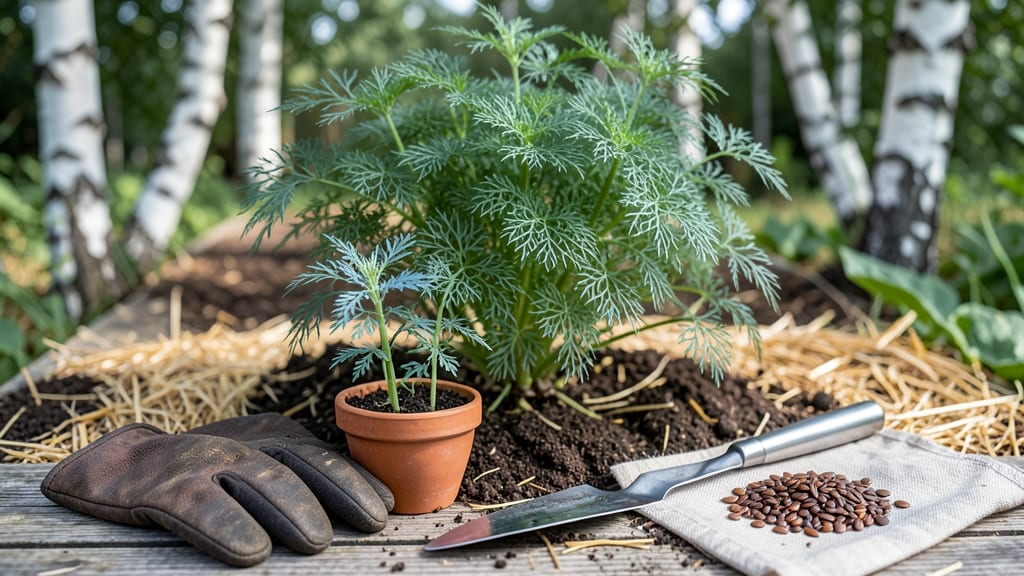
Planting dill at the wrong time in Southern California can turn your fresh herb dreams into bitter disappointment—especially when coastal breezes and inland heat play tricks on your timing.
This 🌿 feathery favorite actually thrives year-round here, but knowing the best windows (fall through early spring) makes all the difference between lush harvests and wilted disappointment.
Most gardeners in USDA zones 9b-11 assume dill is a summer crop, but that’s where they go wrong. The key is avoiding spring heat stress—those 85°F+ afternoons can bolt your plants prematurely, leaving you with seed stalks instead of tender leaves.
I’ll show you exactly when to sow for maximum flavor and yield, whether you’re in LA’s coastal chill or Riverside’s inland warmth.
Here’s the secret: dill self-seeds like crazy in our climate, but that doesn’t mean you should plant whenever. We’ll break down the ideal 60-day growing window and how to stretch it through mild winters.
Plus, I’ll share my top tricks for preventing the #1 mistake that ruins dill harvests—overcrowding that leads to leggy, flavorless stems.
Ready to grow dill that’s bold, aromatic, and ready to harvest? Let’s dive into the exact planting schedule that’ll have your kitchen garden bursting with fresh flavor all year—no more guesswork, just proven results for Southern California’s unique microclimates.
Best planting times for dill in Southern California by region
Southern California’s mild winters and warm summers create ideal conditions for growing dill year-round, but timing matters for the best harvests. Coastal areas like San Diego and Santa Barbara enjoy frost-free growing seasons, while inland regions like Riverside or Bakersfield face occasional heat stress and rare frost.
Understanding these differences ensures your dill thrives.
For coastal regions, the best time to plant dill is fall through early spring (September to March). These months provide cooler temperatures (60-75°F), which dill prefers over the intense summer heat.
Inland areas can extend planting slightly later, but late spring (April-May) is riskier due to drought conditions and heatwaves.
Dill is a cool-season herb, meaning it grows best when temperatures stay below 80°F. In USDA zones 9b-11, this typically means avoiding June through August for direct planting. However, with shade cloth or container gardening, you can grow dill in summer with extra care.
Here’s how coastal vs. inland regions differ in planting windows:
| Region | Best Planting Window | Key Considerations | Heat Tolerance |
|---|---|---|---|
| Coastal (LA, San Diego, Santa Barbara) | September–March | No frost risk, moderate humidity, cooler summers | Moderate (up to 80°F) |
| Inland (Riverside, Bakersfield, Palm Springs) | October–February | Hotter summers, drought risk, occasional frost (Dec-Jan) | Low (below 75°F ideal) |
| Desert (Coachella Valley) | November–January | Extreme heat stress, water restrictions, shade mandatory | Very low (below 70°F) |
If you plant dill in late spring or summer, prioritize shade protection (30-50% shade cloth) and frequent watering to prevent bolting (premature flowering) or bitter leaves. Dill bolts when stressed by heat, reducing its aromatic quality and harvestable yield.
For coastal gardeners, fall planting (September-October) is ideal because it aligns with natural rainfall and cooler nights. Inland gardeners should aim for October-November to avoid summer’s peak heat. Both regions can enjoy year-round harvests by staggering plantings every 4-6 weeks.
Dill is a self-seeding annual in Southern California, meaning it often re-sprouts on its own after harvest. This makes it a low-maintenance perennial in mild climates. However, if you want fresh, tender leaves, pull up old plants before they bolt (go to seed) in late spring.
Pro tip: Save seeds from your best plants! Dill seeds are easy to collect in late summer and can be dried and stored for next year’s homegrown supply. Just let the seed heads dry on the plant before harvesting.
🌿
Best planting times for dill in Southern California by region
Southern California’s mild winters and hot summers create two distinct planting zones for dill: coastal and inland. Coastal areas like LA and San Diego enjoy cooler temperatures year-round, while inland valleys like Riverside and Bakersfield experience more extreme heat.
These differences mean your planting window should shift based on where you live.
For coastal regions, dill thrives when planted from September through March. The ocean breezes keep temperatures ideal (between 60-75°F) for steady growth.
Inland areas, however, should focus on fall and early spring plantings (October to February) to avoid the brutal summer heat that can bolt your plants prematurely.
Here’s the key difference: coastal dill can handle year-round sowing, while inland dill needs a 6-week break from June to August. The goal is to align your planting with 60-75 days of ideal growing conditions before harvest.
If you’re in a transition zone (like the Inland Empire or Orange County), aim for late September or early October plantings. This gives your dill enough time to mature before the June Gloom fades into scorching afternoons.
I’ve found that succession planting every 4-6 weeks keeps my dill supply steady year-round.
Pro tip: Use shade cloth for summer plantings in inland areas. A 30-50% shade cloth can drop soil temps by 10-15°F, preventing bolting. I’ve used this trick to extend my harvest into late July without losing flavor.
Remember, dill is a biennial that self-seeds aggressively in our climate. If you plant in fall, you’ll often find volunteer plants popping up in spring—just thin them to avoid overcrowding.
This natural cycle means you can technically plant dill any month, but timing still matters for maximum yield and flavor.