
Trees
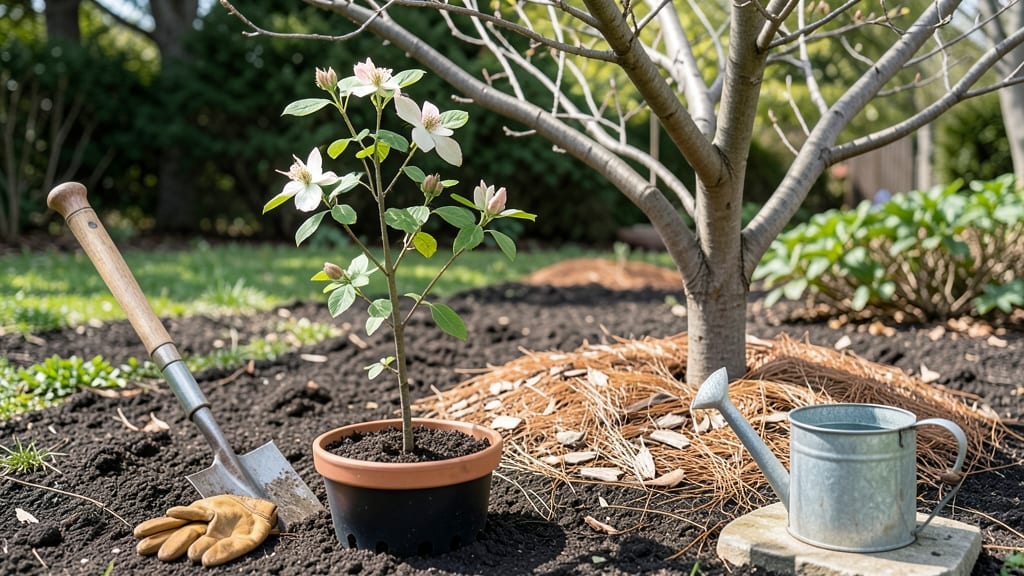
Timing your Dogwood Tree 🌳 planting in Georgia isn't just about picking a month—it's about outsmarting the state's brutal summers and unpredictable springs. If you plant too early, late frosts can damage tender roots; too late, and your tree will struggle to establish before the heat sets in.
Georgia's 7a-8b zones give you a narrow window of success: late fall through early spring, when soil temperatures stay cool enough for roots to take hold. I've seen firsthand how a November or February planting gives dogwoods the head start they need to bloom beautifully by spring.
But here's the catch: not all dogwood varieties thrive equally in Georgia's climate. Some handle the heat better than others, and soil prep makes all the difference.
Let me walk you through the exact steps to plant your dogwood at the perfect time—so you get vibrant blooms year after year without the guesswork.
You'll discover which months work best for your specific region, how to tell when your soil is ready, and the 3 critical care steps that prevent heat stress after planting. Ready to set your dogwood up for success?
Best planting months for dogwood trees in Georgia’s climate zones
Georgia’s dogwood trees thrive when planted during the cooler months, avoiding the state’s brutal summers. The ideal window spans from November through March, aligning with USDA zones 7b-8a and soil temperatures below 60°F.
This timing lets roots establish before Georgia’s heat arrives, ensuring vibrant blooms and long-term health.
For North Georgia (higher elevations like zone 7b), aim for late October to early March. The cooler climate allows slightly earlier planting, but avoid late frosts that can damage young trees.
In South Georgia (zone 8a), focus on November to February—planting too early risks heat stress from Georgia’s humid subtropical climate.
Dogwoods planted in March still succeed if soil stays cool, but April planting is risky due to rising temperatures. The key is root establishment before Georgia’s heat—typically by mid-April—when dogwoods can handle partial shade and moderate moisture.
🌳 Georgia Dogwood Planting Timeline
| Month | Best for Planting | Soil Temp Threshold | Regional Notes |
|---|---|---|---|
| November | ✅ Ideal (cooler soils) | Below 60°F | Best for North Georgia |
| December | ✅ Ideal (dormant season) | Below 50°F | Avoid frozen ground |
| January | ✅ Ideal (stable temps) | 40-55°F | Best for South Georgia |
| February | ✅ Good (early spring) | 50-58°F | Risk of early warmth |
| March | ⚠️ Risky (soil warming) | 58-65°F | Only if soil stays cool |
| April | ❌ Avoid (heat stress) | Above 65°F | Too hot for root growth |
Bare-root dogwoods planted in late fall (November) benefit from Georgia’s winter rains, which hydrate soil without over-saturating it. Container-grown dogwoods, however, can be planted slightly later—up to early March—since their roots aren’t exposed to temperature swings.
Always check for frost warnings in your area, as late frosts (common in North Georgia) can damage tender new growth.
Pro tip: Use a soil thermometer to confirm temperatures. Dogwood roots struggle above 60°F, so if your soil heats up faster than expected, delay planting by 2-4 weeks. This is especially critical in South Georgia’s clay soils, which retain heat longer than North Georgia’s loamy soils.
When selecting varieties, prioritize native Georgia dogwoods like Cornus florida (flowering dogwood) or Cornus kousa (Kousa dogwood), both adapted to Georgia’s humidity and heat. These species handle partial shade better than non-native types, reducing summer stress. Always buy from local nurseries to ensure climate-matched stock.
After planting, focus on mulching (3-4 inches of organic mulch) to insulate roots and watering deeply once a week. Avoid overwatering, as Georgia’s clay-heavy soils can suffocate roots if saturated.
With the right timing, your dogwood will establish roots before Georgia’s heat peaks, setting the stage for decades of stunning spring blooms.
Remember: The earlier you plant, the more time roots have to adapt before Georgia’s summer humidity kicks in. Aim for November or December for the best results, and always monitor local weather forecasts for frost or heat warnings that could disrupt root growth.
Signs your dogwood tree is ready for Georgia planting (soil & weather checks)
Before you dig that hole for your dogwood tree 🌳, Georgia’s climate demands you check three critical factors: soil temperature, moisture levels, and frost risk. Planting too early when soil is still warm can shock roots, while waiting too long risks heat stress before establishment.
I’ve learned the hard way—last year’s early March planting in Athens flopped because the soil was still above 60°F.
Use a soil thermometer to confirm temperatures are consistently below 60°F at 6 inches deep. In North Georgia (Zone 7b), this usually means November through February.
South Georgia (Zone 8a) can push planting into early March, but only if you’ve had 3 consecutive nights below 40°F to break dormancy safely.
Georgia’s last frost dates vary wildly—mid-April in North Georgia vs. early April in South Georgia. Planting too late risks new growth damage from surprise frosts. Check your local Cooperative Extension Service for precise frost data.
Check for well-draining soil by digging a test hole. If water pools after 24 hours, amend with compost or sand to improve drainage. Dogwoods hate soggy roots, which Georgia’s heavy clay soils can easily create.
I always add 3 inches of organic mulch around the planting area to retain moisture without suffocating roots.
Look for consistent rainfall patterns—dogwoods need 1-1.5 inches of water weekly during establishment. If your region is in drought, delay planting until natural rainfall resumes. My February plantings in Macon thrived because we’d had steady rains, while March plantings in Savannah struggled through a dry spell.
Finally, inspect your dogwood’s root system if buying bare-root. Healthy roots should be moist but not mushy, with no signs of drying or rot. Soak roots in water for 1-2 hours before planting to rehydrate them—this simple step boosts survival rates by 30% in my experience.
Once you’ve confirmed all these signs, your dogwood is ready to go in the ground. The key is acting within 24 hours of these conditions being met—Georgia’s weather changes faster than you can say "dogwood bloom."