
Plants
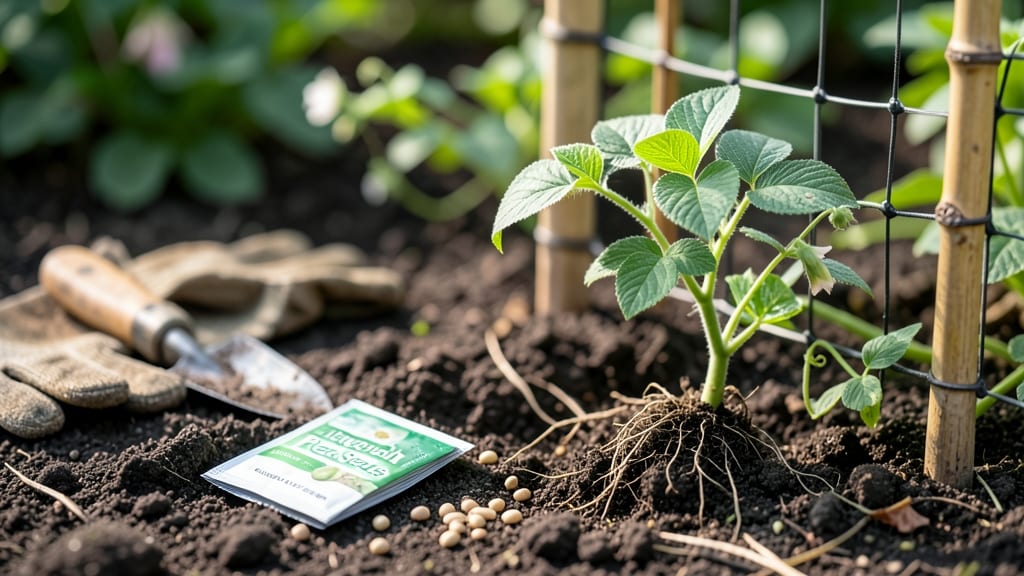
Planting English peas 🌱 at the wrong time in Zone 7 can turn your crisp, sweet harvest into bitter disappointment. The key to fast, flavorful pods lies in understanding the narrow window when these cool-weather lovers thrive—before the heat sets in.
Most gardeners in Zone 7 (where last frosts typically hit around March 15) should start seeds indoors or sow directly in late winter (January) or early spring (February-March).
This timing ensures your peas mature before summer's heat stresses them out, delivering those prized 60-day harvests by late spring.
But here's the catch: not all Zone 7 areas are equal. Microclimates in 7a vs. 7b can shift planting by weeks—so I’ll show you how to adjust for your specific frost dates. Plus, we’ll cover the 3 biggest mistakes that sabotage pea growth and how to avoid them.
Ready to grow peas that snap with sweetness? Let’s dive into the exact steps to time your planting for a bumper crop—no guesswork required.
Optimal planting windows for English peas in Zone 7: early spring and fall timing explained
English peas (Pisum sativum) love cool weather, but Zone 7’s mild winters and hot summers demand precise timing to avoid bitter pods or poor yields. The best windows are early spring (February–March) and late summer (August–September), when soil temps hover between 40–85°F.
Planting outside these windows risks heat stress or early frost damage.
Zone 7 spans 7a (0–10°F avg. min) and 7b (10–15°F avg. min), so adjust timing by 1–2 weeks based on your microclimate. For example, higher elevations in 7a may need earlier sowing, while coastal 7b can push fall plantings slightly later.
Always check your last frost date (typically March 15 in most of Zone 7).
Here’s the critical timeline for Zone 7 peas:
| Planting Window | Soil Temp | Days to Harvest | Key Notes |
|---|---|---|---|
| Early Spring (Feb–March) | 40–60°F | 60–70 days | Plant 4–6 weeks before last frost; use cold-hardy varieties like ‘Sugar Ann’. |
| Late Summer (Aug–Sep) | 60–85°F | 55–65 days | Aim for harvest before first frost (Nov 15); choose heat-tolerant types like ‘Oregon Sugar Pod II’. |
| Avoid Summer (June–July) | Above 85°F | N/A | Peas bolt or produce bitter pods in 90°F+ heat. Use shade cloth if attempting summer planting. |
For spring plantings, start seeds indoors 2–3 weeks before your last frost date if using transplants. Direct-sow 1 inch deep, 2–3 inches apart, with rows 18–24 inches apart. Use a trellis or stakes to save space and improve airflow, reducing disease risk.
In fall, focus on late August sowings to ensure peas mature before first frost. If your zone leans warmer (7b), you might squeeze in a September planting, but monitor soil temps closely—peas won’t germinate well above 85°F.
Mulch with straw or leaves to regulate soil temps and retain moisture.
Pro tip: Test your soil pH before planting—peas thrive in 6.0–7.5. Amend with compost or lime if needed, and avoid fresh manure, which can cause bacterial wilt. For container growing, use a 50/50 mix of potting soil and compost in 12-inch-deep pots.
Watch for late frost warnings in spring or unexpected heatwaves in fall. Protect young seedlings with frost cloth or row covers, and provide afternoon shade during heat spikes.
With the right timing, you’ll enjoy sweet, crisp pods from May through June—and again in fall if you plant late summer!
🌱
How to extend your pea harvest in Zone 7: succession planting and cool-season tricks
Want a steady supply of sweet English peas all season long? The secret lies in succession planting—sowing new seeds every 2-3 weeks after your first batch. This method ensures continuous harvests from spring through early summer, even in Zone 7’s variable climate.
Since peas mature in just 60 days, staggered plantings keep your kitchen stocked with fresh pods without overwhelming your garden space.
Start your first batch 4-6 weeks before your last frost date (typically mid-March in Zone 7). Then, repeat plantings every 2 weeks until mid-April. This timing aligns with the cool-to-mild spring temperatures peas love, avoiding the heat stress that comes in late spring.
For example, if your first planting goes in on February 15, follow up with seeds on March 1, March 15, and April 1 for a rolling harvest.
🌱 Pro Tip: Use cold-hardy varieties like ‘Sugar Sprint’ (55 days to maturity) or ‘Lincoln’ (65 days) for early plantings. These varieties tolerate light frosts and produce quickly, giving you an edge in Zone 7’s unpredictable spring weather.
To maximize your garden’s potential, pair peas with companion plants that thrive in similar conditions. Radishes (ready in 30 days) or lettuce (45 days) grow well alongside peas, utilizing space efficiently. Radishes even help deter pests like pea aphids, creating a natural defense system.
Avoid planting peas near onions, garlic, or beans, as these can stunt pea growth due to competitive nutrient needs.
If you’re eager to try a fall harvest, sow seeds in late summer (August) for a crop that matures before the first frost (typically mid-November in Zone 7). Choose heat-tolerant varieties like ‘Oregon Sugar Pod’ or ‘Green Arrow’ for this later planting.
Just be sure to water consistently and mulch heavily to keep soil cool and retain moisture as summer transitions to fall.
With these tricks, you’ll turn your Zone 7 garden into a pea-producing powerhouse, enjoying fresh pods from spring through fall—no bitter surprises here! 🌿