
Plants
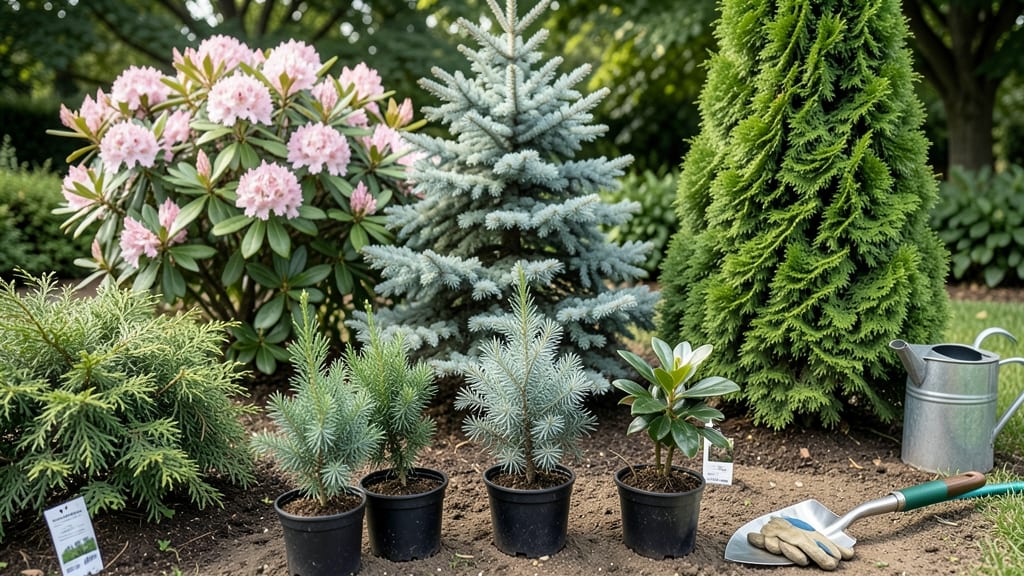
Timing your evergreen 🌲 planting in Zone 6 could mean the difference between a lush, thriving landscape and years of disappointment. Unlike annuals, these woody plants need time to establish roots before winter's first frost hits—usually around October 15 in most of Zone 6.
Plant too early, and you risk shallow roots. Too late, and they won't harden off before cold snaps.
Most gardeners in Zone 6a or 6b focus on early fall (September-October) as the prime window, but spring planting (March-April) works too—if you act fast. The key is getting those roots down 6-12 inches deep before dormancy sets in.
I'll show you exactly how to time it right for your microclimate, whether you're dealing with coastal mildness or inland frosts.
Let's cut through the guesswork with microclimate-specific advice. We'll cover everything from soil prep to choosing the right evergreen varieties for your Zone 6 yard. Whether you're planting rhododendrons or spruces, these tips will help you avoid common mistakes that lead to winter damage.
Ready to transform your landscape? By the end, you'll know not just when to plant, but how to give your evergreens the best shot at thriving through Zone 6's unpredictable winters. Let's get started.
Optimal planting months for evergreens in Zone 6 by microclimate type
Zone 6’s variable climate—with last frost dates around April 15 and first frosts near October 15—means evergreens need precise timing to thrive. Plant too early, and roots struggle in cold soil; too late, and they won’t establish before winter.
Your microclimate (coastal, inland, or urban) shifts these windows by 2-4 weeks, so let’s break it down.
Coastal areas in Zone 6 enjoy milder winters and warmer soil longer, extending your planting window. Inland regions face sharper frost risks, while urban heat islands can delay first frosts by 1-2 weeks. For all three, soil temperature must stay above 45°F (7°C) for root growth.
Use this microclimate comparison to pick your best planting window. Coastal gardeners have the most flexibility, while inland zones demand earlier action. Urban areas? Watch for heat island effects that might push back frost dates.
For bare-root evergreens, prioritize early fall planting (September) to let roots establish before winter. Container-grown evergreens can handle late spring (May), but inland zones should avoid this—late frosts can damage tender new growth.
Pro tip: Test your soil’s moisture retention before planting. Evergreens hate soggy roots, so amend with compost or sand if your soil drains poorly. A 3-inch mulch layer of pine straw or wood chips helps retain moisture and insulate roots.
If you’re planting broadleaf evergreens like rhododendrons, aim for acidic soil (pH 4.5–6.0). Use peat moss or pine bark to adjust pH if needed. These plants are sensitive to transplant shock, so water deeply 2-3 times per week for the first month.
Zone 6’s short growing season means timing is everything. Miss the window, and your evergreen may struggle for years to catch up. But nail it, and you’ll see vigorous growth by next spring—with fewer pests and better cold hardiness.
Need extra insurance? Plant 1-2 weeks earlier in inland zones or 1-2 weeks later in coastal areas. Your evergreens will thank you with lush, healthy foliage for decades.
Signs your evergreen is struggling after planting (and how to fix it)
Even with perfect planting timing, your Zone 6 evergreens might still show stress. Yellowing needles or stunted growth often signal root issues or environmental problems. The good news?
Most of these signs are fixable with targeted care. Let’s identify the red flags and restore your evergreens to peak health before winter sets in.
First, check for needle browning along branch tips—this usually means winter burn from harsh winds or salt spray. Drought stress causes needles to curl inward, while overwatering leads to mushy stems. Each issue requires a different fix, so let’s break it down by symptom.
🌲
⚠️ Warning: Late Fall Planting Risks
Planting evergreens after October 1 in Zone 6 leaves roots vulnerable to freeze-thaw cycles. Roots need 6-8 weeks to establish before winter dormancy. If you missed the fall window, hold off until early spring (March)—but act fast before soil warms.
For yellowing needles, test your soil’s pH—most evergreens prefer acidic soil (pH 4.5-6.0). Amend with sulfur or peat moss if needed. If the problem persists, fungal diseases like needle blight may be at fault. Prune affected branches and apply a copper fungicide in early spring.
Stunted growth often stems from poor soil drainage or compacted roots. Loosen the soil around the base and mix in organic compost to improve aeration. If your evergreen is planted too deeply, the root flare may be buried, cutting off oxygen.
Gently expose the flare and mound soil around it to encourage new root growth.
Protect young evergreens from winter winds by installing a windbreak (like a temporary fence or evergreen hedge). For container-grown evergreens, move pots to a sheltered spot and wrap them in burlap to prevent frost damage. Mulch heavily (3-4 inches) with pine straw or wood chips to insulate roots.
Finally, adjust your watering schedule. Overwatering in winter suffocates roots, while underwatering causes desiccation stress. Water deeply once a month in winter, focusing on the root zone.
If you notice needle drop in late winter, it’s often a sign of transplant shock—give your evergreen a balanced fertilizer in early spring to kickstart growth.