
Plants
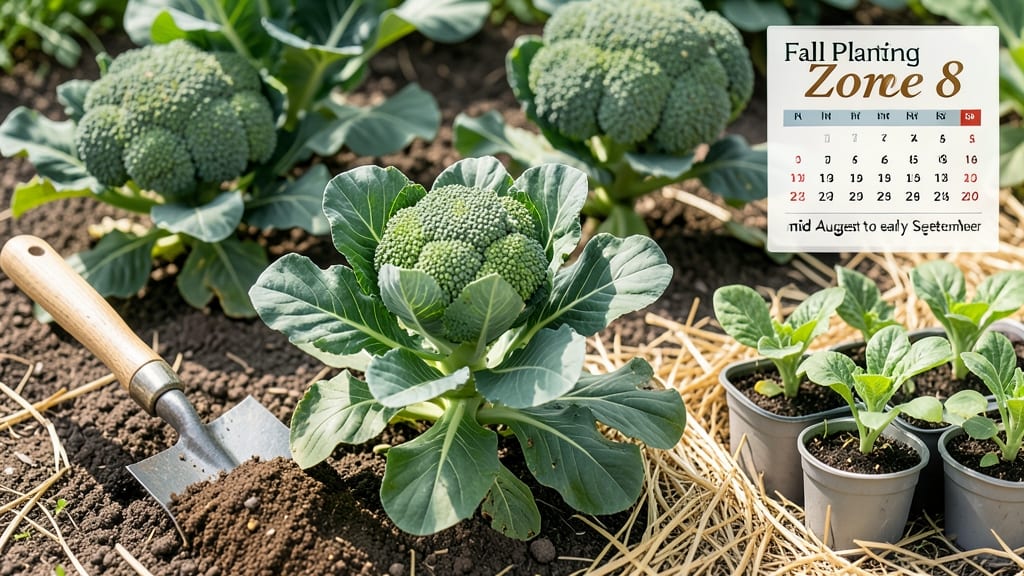
Knowing when to plant fall crops in Zone 8 can mean the difference between a bountiful harvest and wasted effort. With Zone 8's warm climate, you've got a second chance to grow fresh produce after summer's heat fades—but timing is everything.
Plant too early, and your leafy greens will bolt before you can enjoy them. Too late, and frost will ruin your hard work. The key is starting 4-6 weeks before your first frost, typically between mid-August and mid-October, depending on your specific microclimate.
In this guide, I'll break down the exact planting windows for your favorite fall crops—from heat-resistant varieties like Swiss chard to frost-tolerant options like kale. You'll also learn how to adjust your schedule if your first frost comes early or late.
Whether you're a seasoned gardener or just starting out, these strategies will help you maximize your fall harvest before winter sets in for good. Let's get those 🌾 seeds in the ground at the perfect time!
Exact weeks before frost to plant fall crops in Zone 8
Zone 8 gardeners have a golden window for fall planting—typically 4 to 6 weeks before the average first frost date (usually mid-November in most areas). This timing ensures crops mature before cold snaps, but it’s not one-size-fits-all.
Your exact window depends on whether you’re growing cool-season crops (like kale) or heat-tolerant varieties (like Swiss chard).
To pinpoint your planting schedule, start by checking your local frost date—use the USDA Plant Hardiness Zone Map or ask your local Cooperative Extension Service.
For example, if your first frost is November 20th, aim to plant leafy greens by October 20th and root vegetables by September 20th. Adjust for early frosts by planting 2 weeks earlier.
Here’s the critical rule: Direct-sow heat-lovers (like okra or sweet potatoes) by mid-August—they need 90+ days to mature. Cool-season crops (like broccoli or spinach) go in late August to early October, with transplants getting a 2-week head start over seeds.
Pro tip: Use a planting calendar tailored to Zone 8 (like the one from Johnny’s Selected Seeds) to align your schedule with moon phases or soil temperatures. For instance, soil should stay above 60°F for warm-season crops and cool to 50–60°F for cool-season varieties.
| Crop Type | Planting Window (Weeks Before Frost) | Notes |
|---|---|---|
| Heat-Tolerant (Okra, Sweet Potatoes) | 8–10 weeks | Direct-sow by mid-August; needs warm soil. |
| Cool-Season (Kale, Broccoli) | 4–6 weeks | Transplant late August; seeds by early September. |
| Root Veggies (Carrots, Beets) | 6–8 weeks | Sow by September 1st for harvest before frost. |
| Leafy Greens (Spinach, Lettuce) | 3–5 weeks | Sow late August to October; harvest before bolting. |
For succession planting, stagger seeds every 2 weeks to ensure a continuous harvest. For example, plant bush beans in early August, then again in mid-August and late August for three harvest waves. This works for radishes, turnips, and lettuce too.
Watch for false spring in Zone 8—unseasonably warm spells in October or November can trick plants into bolting. If temperatures rise above 75°F for 3+ days, shade crops with floating row covers or move containers to partial shade. Heat-sensitive greens like spinach will bolt quickly in these conditions.
Don’t overlook soil prep—fall crops thrive in well-draining, nutrient-rich soil. Amend beds with compost and a balanced fertilizer (like 5-10-10) 4–6 weeks before planting. Test your soil’s pH (aim for 6.0–7.0 for most veggies) and adjust with lime or sulfur if needed.
If you’re in a coastal Zone 8 (like San Diego), your frost date may be January, giving you a longer window for winter crops.
Inland areas (like Arizona) might see frost by December 1st, so plant 2 weeks earlier. Always check microclimates—valleys frost earlier than hillsides.
Mark your calendar for October 1st: this is the last call for most cool-season crops in Zone 8. After this date, focus
Best heat-resistant fall crops for Zone 8 (and when to start them)
Zone 8’s lingering summer heat can challenge fall gardeners, but the right heat-resistant crops will thrive even as temperatures dip. These varieties tolerate 85°F+ soil temps and won’t bolt prematurely, giving you a longer harvest window.
My top picks include Swiss chard, Malabar spinach, and Okra, all of which handle Zone 8’s late-season warmth like pros.
For best results, start heat-tolerant crops in late July to early August—this gives them time to establish roots before cooler weather arrives. Direct-sow fast-maturing varieties like bush beans and cowpeas for quick harvests, while slower growers like sweet potatoes should go in by mid-August.
Transplants like tomatoes and peppers can handle late starts if you choose heat-set varieties.
The key to success? Succession planting every 2-3 weeks after your initial sowing. This staggered approach ensures a steady supply of fresh produce as temperatures drop. For example, plant lettuce in late August, then again in early September—your first batch will mature just as the second gets established.
Pair this with mulching to keep soil temps stable and retain moisture.
Don’t overlook herbs and greens that handle heat, too. Cilantro and dill bolt quickly in spring but thrive in fall’s cooler evenings. For a double harvest, try Malabar spinach—it’s a tropical relative of true spinach and stays crispy even in 90°F+ temps.
Plant it in partial shade to prevent bolting while keeping it productive.
Pro tip: Use shade cloth (30-50%) over heat-sensitive transplants like broccoli or cabbage if late-summer temps stay above 85°F. This simple trick can buy you 2-3 extra weeks of growth before cooler weather takes over. Pair this with drip irrigation to keep roots cool and soil moisture consistent.
With these heat-resistant varieties and smart timing, you’ll enjoy fresh tomatoes, peppers, and greens well into November—sometimes even December—before frost sets in for good. Start your favorites now, and you’ll be feasting on homegrown goodness long after summer’s over! 🌱