
Plants
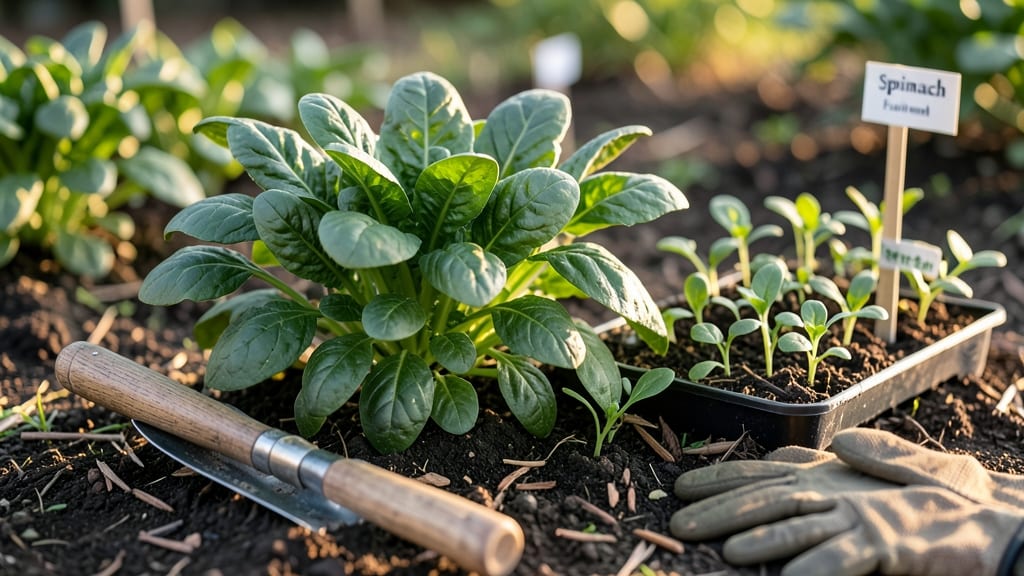
Timing your fall spinach planting in Zone 6 could mean the difference between tender, sweet harvests and bitter, bolted disappointment. The key isn't just throwing seeds in the ground—it's understanding exactly when to start for crisp, flavorful 🥬 leaves that thrive in cooler temperatures.
Most gardeners in Zone 6 (including 6a) know summer crops need early attention, but spinach follows its own rules. Plant too early, and warm soil triggers bolting. Too late, and frost arrives before your plants mature.
The sweet spot? Late summer to early fall—specifically, 6 to 8 weeks before your first frost date (around October 15 in most of Zone 6).
This guide breaks down the exact weeks to plant, soil prep secrets, and how to stretch your harvest through frost. Whether you're a beginner or a seasoned gardener, these tips will help you avoid common mistakes and enjoy fresh spinach straight from your garden well into autumn.
Ready to grow spinach that's sweeter and more productive than store-bought? Let's dive into the perfect planting schedule and care routine for your Zone 6 garden.
Optimal planting windows for fall spinach in Zone 6: exact weeks before frost
Fall spinach in Zone 6 thrives when planted at the perfect moment—too early, and your greens bolt; too late, and frost ruins tender leaves. The ideal window is 6–8 weeks before your first frost, typically late August to early September in most of Zone 6.
This timing ensures spinach matures before winter’s chill sets in.
For Zone 6a (colder microclimates like northern Indiana or upstate New York), aim for late August plantings. In Zone 6b (warmer areas like central Virginia or Missouri), you can extend planting until early September without risking frost damage.
Here’s the key: soil temperature should be below 80°F but not yet near freezing. Spinach seeds germinate best in 50–70°F soil. If your soil is still warm in late summer, wait until mid-August to avoid bitter-tasting leaves.
Variety choice matters too! Bloomsdale Long Standing and Tyee are cold-hardy favorites, while Space (a hybrid) matures faster—ideal for late-September plantings. Always check seed packets for days to maturity to align with your frost date.
🌱
| Planting Window | Zone 6a (Colder) | Zone 6b (Warmer) | Soil Temp | Notes |
|---|---|---|---|---|
| Early Fall (First Planting) | Late August | Early September | 50–70°F | Best for cold-hardy varieties like Tyee |
| Late Fall (Succession) | Mid-September | Early October | 45–60°F | Use fast-maturing Space for harvests |
| Avoid Planting | After October 1 | After October 15 | N/A | Risk of frost before maturity |
Pro tip: Use a frost date calculator for your exact location (like the Old Farmer’s Almanac tool) to fine-tune dates. For example, Chicago (Zone 6a) typically sees frost by October 15, so plant by September 1 for a reliable harvest.
Direct-sow seeds ½ inch deep in well-draining soil with compost mixed in. Space rows 12 inches apart to prevent crowding, which leads to disease. Thinning seedlings to 4–6 inches apart ensures strong stems and sweet flavor.
If your fall is unusually warm, opt for shade cloth (30%) to cool soil and prevent bolting. This trick works wonders in southern Zone 6 where September can still feel like summer.
🌿
For northern Zone 6 gardeners, consider staggered plantings every 2 weeks from late August to mid-September. This extends your harvest window and ensures a steady supply of fresh greens before winter sets in.
Always monitor weather forecasts in the weeks leading up to planting. A sudden cold snap can delay germination, so have a row cover ready to protect young seedlings if temperatures dip below 40°F at night.
Finally, remember: spinach is a cool-season crop, and its flavor actually improves with cold exposure. The crisp, sweet taste you crave comes from fall’s chill—not summer’s heat.
Optimal planting windows for fall spinach in Zone 6: exact weeks before frost
Fall spinach in Zone 6 thrives when planted 6–8 weeks before your average first frost date—typically between mid-August and early September. This timing ensures tender leaves before winter’s chill sets in.
For most of Zone 6, that means aiming for late August for a harvest in October and November.
Your first frost date is critical: In Zone 6a, it’s usually around October 15, while Zone 6b may hold off until October 25. Adjust your planting schedule 1–2 weeks earlier if you’re in the cooler northern edge of the zone.
For example, Bloomsdale Long Standing spinach prefers cooler soil, so plant it closer to September 1st to avoid bolting.
| Variety | Planting Window | Harvest Time | Notes |
|---|---|---|---|
| Bloomsdale Long Standing | Late August–Early September | October–November | Cold-hardy, bolt-resistant |
| Tyee | Mid-August–Late August | October–Early November | Fast-growing, heat-tolerant |
| Space Hybrid | Early September–Mid-September | November–December (with frost cloth) | Compact, great for containers |
Soil temperature is just as important as air temperature. Spinach seeds won’t germinate well if the soil stays above 75°F (24°C). Test your soil with a thermometer—ideal germination temps are 50–65°F (10–18°C).
If your soil is too warm in August, wait until late August or use shade cloth to cool it down before planting.
For northern Zone 6 (closer to Zone 5), push planting to early September to avoid early frosts. In southern Zone 6 (near Zone 7), you can plant as late as mid-September for a winter harvest with frost protection.
Always check your local frost dates—the USDA Plant Hardiness Zone Map or Almanac’s Frost Calculator are great tools.
One pro tip: Succession plant every 2 weeks after your initial sowing to stagger harvests. This ensures a continuous supply of fresh spinach from October through December—just cover young plants with row fabric when temps drop below 25°F (-4°C).
Finally, avoid planting too early in July or early August. Warm soil and long daylight hours trigger bitter flavors and premature bolting (flowering). Stick to the 6–8 week rule, and you’ll enjoy sweet, tender spinach all fall long.