
Plants
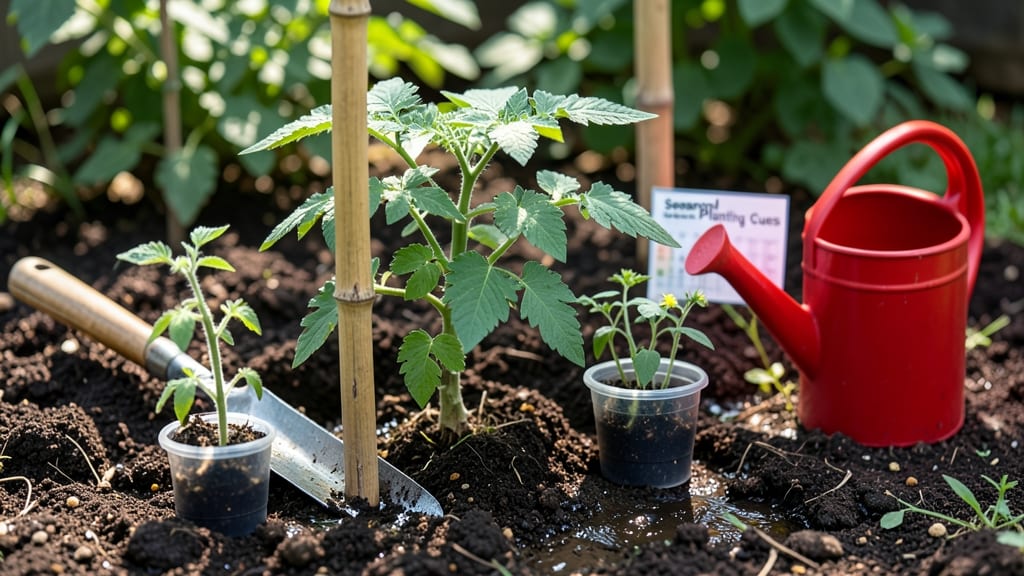
Timing when to plant fall tomatoes in Houston isn’t just about the calendar—it’s about beating the heat while dodging early frost. With Zone 9a’s unpredictable swings from 90°F afternoons to chilly mornings, one wrong move could mean wilted seedlings or missed harvests.
The key? Planting between mid-August and early October—when soil temps dip below 95°F but stay warm enough for roots to thrive.
Most gardeners in Houston make the mistake of waiting too late, only to watch their plants struggle as temperatures drop. But with the right variety—like heat-tolerant ‘Solar Fire’ or cold-hardy ‘Mountain Merit’—you can stretch your harvest well into December.
The trick lies in reading Houston’s microclimates: coastal areas stay warmer longer, while inland spots cool faster.
In this guide, I’ll break down the exact deadlines for your Houston neighborhood, plus how to prep seedlings, space them for airflow, and protect them from hurricane season’s last gasp.
Whether you’re a first-timer or a seasoned gardener, these steps will help you avoid the most common pitfalls—and walk away with a bountiful 🍅 harvest.
Ready to turn your Houston backyard into a fall tomato powerhouse? Let’s get started with the step-by-step timeline that separates successful gardeners from those left with empty vines.
Houston’s fall tomato planting deadlines by microclimate (Zone 8b breakdown)
Houston’s Zone 8b climate creates unique challenges for fall tomato planting, with microclimates that can shift your ideal window by weeks. Coastal areas stay warmer longer, while inland urban zones face earlier heat spikes.
Understanding these variations lets you avoid heat stress and maximize harvests before the December 15 first-frost date.
Your planting window hinges on two critical dates: soil temperature (must stay above 60°F) and first-frost probability. Houston’s 270 frost-free days give you flexibility, but heatwaves in September can derail early plantings. The sweet spot? Mid-August to early October, adjusted by your specific microclimate.
Here’s how Houston’s three main microclimates compare:
| Microclimate | Optimal Transplant Window | Heat Risk Period | Frost Risk Start | Maturity Timeline |
|---|---|---|---|---|
| Coastal (e.g., Galveston) | Late August - Early October | September 10-25 (humidity spikes) | December 20 (later frost) | 75-90 days to harvest |
| Urban Heat Islands (Downtown) | Early August - Mid-September | August 20-September 10 (earlier heat) | December 10 (earlier frost) | 65-80 days to harvest |
| Inland (Katy, Conroe) | Mid-August - Late September | September 5-20 (moderate heat) | December 15 (average frost) | 70-85 days to harvest |
Notice how urban areas force earlier planting to beat September heatwaves, while coastal zones let you delay until October. This explains why your neighbor’s tomatoes thrive while yours struggle—it’s not just about dates, but microclimate matching.
For example, ‘Mountain Merit’ tomatoes (cold-hardy hybrids) can handle inland plantings until September 20, while ‘Solar Fire’ (heat-tolerant) can push coastal limits to October 5.
Pro tip: Use black plastic mulch to warm soil 5-10°F faster in cooler microclimates. This lets you plant 10-14 days earlier without heat stress. Just remove it by November 1 to avoid winter soil overheating.
Hurricane season (June-November) adds another layer. If a storm hits in October, your young seedlings may need temporary row covers for 3-5 days post-storm to recover. Coastal gardeners should prioritize stake-supported varieties like ‘Big Beef’ to avoid wind damage.
Your last viable transplant date depends on your tomato’s days to maturity. For 60-day varieties (e.g., ‘Early Girl’), aim for October 15 at the latest. For 80-day varieties (e.g., ‘Brandywine’), September 15 is your cutoff.
Use this maturity calculator: (First frost date - days to maturity) = last transplant date.
For example, if your first frost is December 15 and your tomato takes 75 days to mature, your last transplant date is September 20. Simple math, but Houston’s unpredictability means building in a 10-day buffer is wise.
🌱
5 Critical factors that determine your Houston tomato planting window
Houston’s fall tomato success hinges on 5 non-negotiable factors that go beyond just dates. First, your soil temperature must stay above 60°F for 3+ days—any cooler, and roots struggle to establish. Use a soil thermometer to test before planting; most garden centers sell them for under $10.
Next, account for Houston’s humidity, which spikes fungal risks like early blight. Space plants 18-24 inches apart and prune lower leaves to improve airflow. I’ve lost entire plants to blight when ignoring this—don’t repeat my mistake!
The third factor is heatwave preparedness. Even in fall, Houston can hit 95°F+ in September. Choose heat-tolerant varieties like ‘Solar Fire’ or use shade cloth (30%) during peak afternoon sun. Mulch with straw or black plastic to regulate soil temps.
Raised beds vs. in-ground dramatically shifts your timeline. Raised beds warm 2-3 weeks faster in fall, giving you a later planting window. If using in-ground soil, wait until mid-September to avoid heat stress, while raised beds can handle early October transplants.
Don’t overlook hurricane season overlap—the last thing you need is a storm uprooting seedlings. Plant 4-6 weeks before your first frost date (typically mid-December in Houston) to ensure fruit matures before cold snaps. I always mark my calendar for October 1st as the latest safe transplant date.
Final factor: Your tomatoes’ maturity timeline. Fast varieties like ‘Celebrity’ (60 days) can handle late September planting, while heirlooms need 90 days—plant those by mid-August. Use a planting date calculator (like the one from Texas A&M) to cross-check.
Pro tip: Start seedlings indoors 6-8 weeks before your target outdoor date. Houston’s late summer heat can scorch young plants, so hardening off is critical. Place seedlings in partial shade for the first 3 days, then gradually increase sun exposure over 10 days. 🌱