
Plants
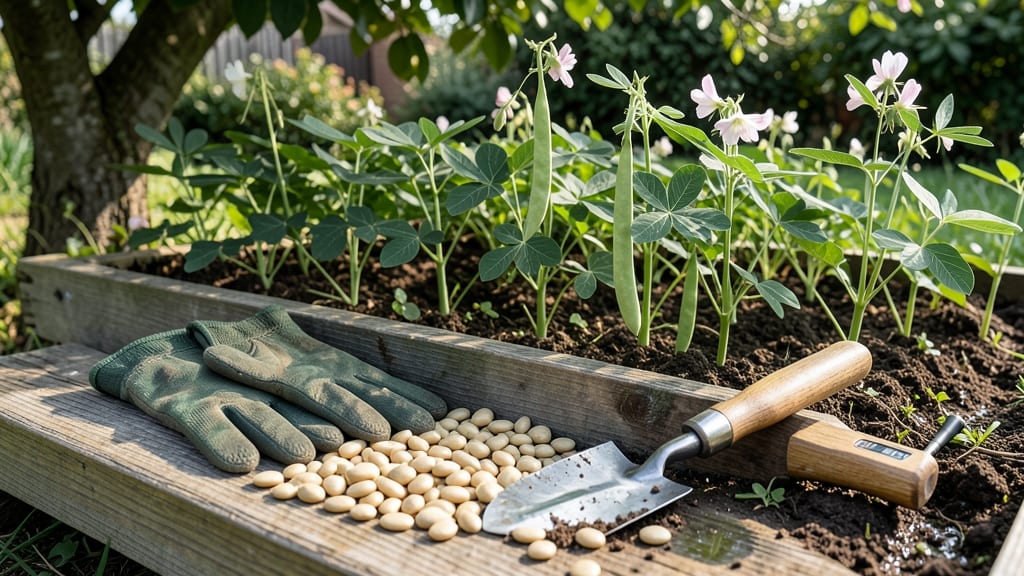
Knowing when to plant fava beans in Zone 8 could mean the difference between a thriving crop and a disappointing one—especially since these cool-season 🌱 lovers hate summer heat.
Unlike many garden staples, fava beans actually prefer the crisp air of fall or winter, making timing everything for a successful harvest.
If you've ever wondered why your spring-planted fava beans bolted too fast or struggled in the heat, you're not alone. The key to growing them well in Zone 8 lies in understanding their seasonal preferences—and how to work with your local climate.
With the right approach, you can enjoy fresh, tender pods from late spring to early summer.
In this guide, I'll break down the best planting windows for fall and spring, including soil temperature tips and how to avoid common pitfalls like frost damage or heat stress. Whether you're a seasoned gardener or new to growing fava beans, these insights will help you maximize your yield.
Ready to transform your garden into a fava bean hotspot? Let's dive into the optimal planting schedule that works best for Zone 8's unique conditions—and why timing really matters for these hardy yet sensitive plants.
Best fall planting times for fava beans in Zone 8
Fall is the ideal season to plant fava beans in Zone 8, where cooler temperatures prevent the heat stress that can stunt growth. Unlike spring, fall planting gives your beans a head start before winter dormancy, often resulting in larger yields and healthier plants.
The key is timing—sow too early, and you risk frost damage; too late, and growth slows before winter.
In Zone 8, aim to plant fava beans between mid-September and mid-October. This window ensures seeds germinate before soil temperatures drop below 50°F (10°C), which is critical for successful sprouting. Cooler nights (below 70°F (21°C)) also encourage strong root development without triggering premature flowering.
Soil preparation is just as critical as timing. Work in well-draining soil with a pH between 6.0 and 7.5, and mix in 2-3 inches of compost to boost fertility. Fava beans are nitrogen-fixers, but they still benefit from a nutrient-rich start. Avoid fresh manure, which can burn tender seedlings.
Here’s how to align your planting with Zone 8’s microclimate. Coastal areas may extend the window slightly later into October, while inland regions should plant closer to mid-September to avoid early frost.
Always check your local last frost date—in Zone 8, this typically falls around January 15, but microclimates can shift it by weeks.
🌱 Fall Planting Timeline for Zone 8
| Task | Timeframe | Notes |
|---|---|---|
| Soil Prep | Late August | Test pH, amend with compost |
| Sow Seeds | Mid-Sept to Mid-Oct | 1-2" deep, 3-4" apart |
| Germination | 2-4 Weeks | Keep soil moist (50-60°F) |
| Winter Dormancy | Nov-Feb | Mulch to protect roots |
| Spring Growth | March-May | Harvest by June |
One common mistake is assuming all of Zone 8 experiences the same frost patterns. For example, areas near large bodies of water (like San Francisco Bay) may have milder winters and allow later planting, while inland valleys (like Central California) can see frost as early as December.
Use a frost calendar or local extension service data to refine your timing.
Mulching is a game-changer for fall-planted fava beans. Apply 2-3 inches of straw or leaves after seeds sprout to insulate roots during winter. This prevents soil temperature swings that can stress young plants. Remove mulch in early spring once active growth resumes to avoid moisture retention issues.
If you’re in a warmer microclimate within Zone 8 (e.g., Southern California), consider planting in January instead. This avoids the summer heat entirely and aligns with the plant’s natural growth cycle. Just ensure daytime temps stay below 75°F (24°C) to prevent bolting.
For container growers, fall planting still works—just use larger pots (12"+ diameter) and plant slightly earlier (by 2-3 weeks) to compensate for slower soil warming in pots. Move containers to a sheltered spot if frost threatens, as potted plants are more vulnerable to cold snaps.
Remember, fava beans are self-pollinating, so spacing isn’t as critical as it is for cross-pollinated crops. However, maintain 6-12 inches between rows for airflow, which reduces fungal diseases like rust—a common issue in Zone 8’s humid summers if plants aren’t given enough space.
By mastering fall planting, you’ll enjoy earlier harvests and avoid the heat stress that plagues spring plantings. Start with these timelines, adjust for your microclimate, and soon you’ll be reaping sweet, tender pods before summer even arrives. 🌱
Best fall planting times for fava beans in Zone 8
Fall is the golden window for planting fava beans in Zone 8, where cooler temperatures align perfectly with their growth preferences. Unlike heat-loving crops, fava beans thrive when soil temps hover between 40°F and 65°F, making late summer to early fall the ideal time to sow seeds.
In Zone 8, this typically translates to late September through October, giving plants time to establish roots before winter dormancy.
Why does fall work so well? Fava beans grow best in cool-season conditions, and planting them too early in spring risks heat stress, while planting too late may expose them to early frosts.
The key is to sow seeds 6-8 weeks before your first frost date (usually mid-January in Zone 8), allowing enough time for germination and early growth before temperatures drop.
The soil temperature is your best guide—wait until it cools to 60°F or below before planting. This timing ensures seeds germinate quickly without overheating, a common issue in Zone 8’s lingering summer warmth.
For best results, aim for a soil temp between 50°F and 60°F, which is ideal for fava bean germination.
| Planting Window | Soil Temp Range | Zone 8 Dates | Key Consideration |
|---|---|---|---|
| Late September | 60°F - 65°F | Sept 20 - Oct 5 | Best for early harvests |
| Early October | 50°F - 60°F | Oct 6 - Oct 20 | Balanced growth before frost |
| Mid-October | 45°F - 55°F | Oct 21 - Nov 5 | Risk of early frost; use row covers |
Once planted, fava beans will overwinter as dormant plants in Zone 8, resuming growth in early spring when temperatures rise. This strategy avoids the heat stress that plagues spring plantings, ensuring healthier plants and higher yields.
Just be sure to mulch heavily (3-4 inches of straw or leaves) to insulate roots from temperature swings.
If you’re in a cooler microclimate within Zone 8 (like higher elevations), you can push planting back to early November. However, avoid sowing after November 15, as seeds may not germinate before winter sets in. Always check your local frost dates to fine-tune timing for your specific location.
Pro tip: Direct sow seeds rather than starting indoors—they germinate poorly when transplanted. Plant seeds 1-2 inches deep and 3-4 inches apart in rows spaced 18-24 inches apart. Thin seedlings to 6-8 inches apart once they’re 4-6 inches tall to prevent overcrowding and improve air circulation.