
Plants
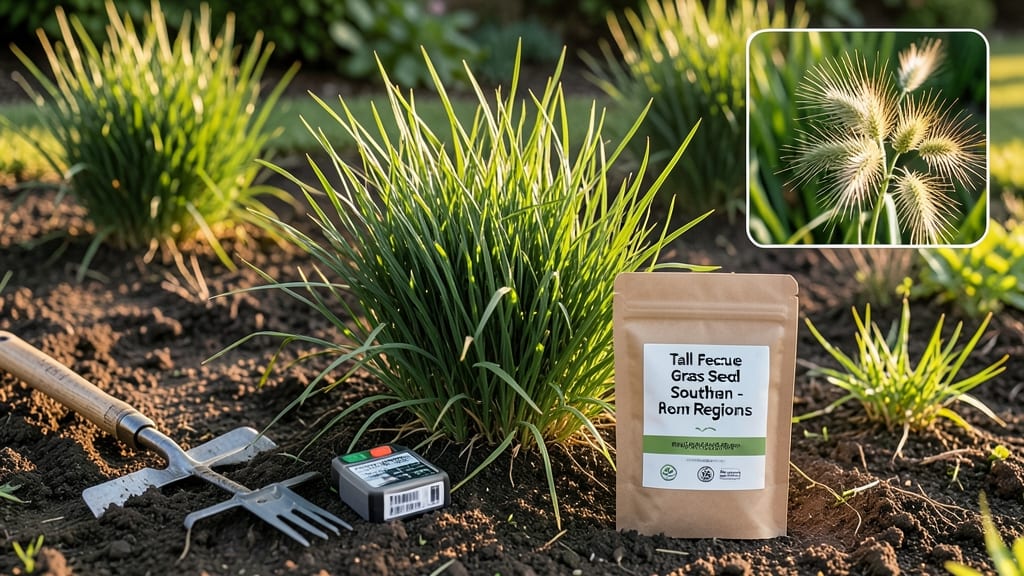
If you're dreaming of a lush, green lawn in Georgia, timing is everything—especially when it comes to planting fescue grass. The difference between a thriving yard and one that struggles to take root often boils down to those perfect planting windows.
Georgia’s climate, with its hot summers and mild winters, means you’ve got just two ideal chances each year to get it right.
Most gardeners know spring is the go-to season, but did you realize early fall offers just as good—if not better—opportunities for 🌱 fescue grass to establish strong roots before winter sets in?
In Georgia’s USDA zones 7b-8b, missing these windows could leave your grass vulnerable to heat stress or frost damage. Let’s break down exactly when to plant for maximum success.
Whether you’re in the Piedmont’s rolling hills or near the coast’s milder microclimate, the key is planting 4-6 weeks before the first frost in fall or after the last frost in spring. This timing ensures your grass has enough time to grow deep roots before extreme temperatures hit.
Ready to set your lawn up for long-term success? Let’s dive into the best months and tips tailored just for Georgia.
From soil prep to avoiding common pitfalls, I’ll walk you through everything you need to know to time your planting perfectly. Skip the guesswork and give your fescue grass the best possible start—because a great lawn begins with the right timing.
Best planting months for fescue grass in Georgia’s climate zones
Georgia’s diverse climate zones mean your fescue grass planting window depends on whether you live in the North (USDA Zones 7b-8a) or South (Zone 8b).
In colder northern regions like Athens or Dalton, aim for March-April or September-October, while southern areas like Savannah or Macon can extend planting slightly later—April-May or October-November. The key is avoiding extreme heat or frost, which stress young seedlings.
Fescue thrives as a cool-season grass, so soil temperatures between 50°F-70°F are ideal for germination. Use a soil thermometer to check—if temps rise above 75°F, seedlings may fail to establish.
In North Georgia, this usually means planting by mid-April to avoid summer heat, while South Georgia gardeners have until late April before risks increase.
For fall planting, the goal is to give grass 4-6 weeks of growth before first frost (typically mid-November in North Georgia and late November in the South). This means starting late August to early September in northern regions and September-October in southern areas.
Fall-planted fescue often outperforms spring plantings because cooler temps reduce stress and rainfall is more consistent.
Microclimates matter! Coastal areas (like Savannah or Brunswick) experience milder winters, allowing November plantings in some years, while mountain regions (like Blue Ridge) may need earlier spring plantings (as early as February) to avoid late frosts.
Always check your local frost dates from the National Weather Service for precision.
⚠️ CRITICAL TIMING FACTORS:
- Seed germination stalls below 50°F
- Root development slows above 80°F
- First frost risk varies by 10-15 days between North/South Georgia
🌱 Georgia Fescue Planting Comparison
| Region | Best Spring Planting | Best Fall Planting | Soil Temp Threshold | Key Risk |
|---|---|---|---|---|
| North Georgia (Athens, Dalton) | March 15 - April 15 | September 1 - October 1 | 50°F-70°F | Late spring frost |
| Central Georgia (Macon, Columbus) | March 30 - April 30 | September 15 - October 15 | 55°F-72°F | Summer heat stress |
| South Georgia (Savannah, Brunswick) | April 15 - May 15 | October 1 - November 1 | 60°F-75°F | Hurricane season delays |
| Mountain Regions (Blue Ridge) | February 28 - April 1 | August 15 - September 15 | 45°F-65°F | Early frost |
If you miss the ideal planting window, don’t panic—late spring or early fall can still work with extra care. For May plantings, use shade cloth to protect seedlings from intense afternoon sun, and water deeply twice daily until roots establish (about 4-6 weeks).
Similarly, November plantings should use winter mulch to insulate young grass from freeze-thaw cycles.
Pro tip: Test your soil temperature before planting—use a meat thermometer (cleaned!) or a digital soil thermometer ($15 at garden centers). 60°F-70°F is perfect for seed germination, while below 50°F will delay sprouting by weeks.
In North Georgia, this often means waiting until late March even if calendar says "spring."
For overseeding existing lawns, timing shifts slightly: late summer (August) is ideal to fill bare spots before winter, while
Best planting months for fescue grass in Georgia’s climate zones
Georgia’s diverse climate—from the cooler Appalachian Mountains to the humid coastal plains—means fescue grass planting windows vary by region. In the North Georgia Piedmont (USDA Zone 7b), your best bet is early spring (March-April) or early fall (September-October).
Meanwhile, in South Georgia (Zone 8a-8b), you’ve got a slightly extended window due to milder winters, but timing is still crucial to avoid summer heat stress.
For both regions, the soil temperature must reach at least 50°F (10°C) for seeds to germinate properly. Planting too early in spring risks frost damage, while late fall planting may leave your grass vulnerable to winter dormancy before roots establish.
Let’s break down the ideal windows by region to ensure your fescue grass thrives.
| Region | Best Planting Window | Soil Temp Requirement | Key Consideration |
|---|---|---|---|
| North Georgia (Zone 7b) | March 15 - April 15 (Spring) / September 15 - October 15 (Fall) | 50°F (10°C) minimum | Avoid late spring planting due to summer drought |
| Central Georgia (Zone 7b-8a) | March 1 - April 30 (Spring) / August 15 - October 1 (Fall) | 50°F (10°C) minimum | Extended fall window due to milder winters |
| South Georgia (Zone 8a-8b) | February 15 - April 15 (Spring) / August 1 - September 30 (Fall) | 55°F (13°C) minimum | Higher humidity requires more frequent watering |
In North Georgia, the cooler climate means you’ll want to plant 4-6 weeks before the first frost in fall (typically by October 15) to allow roots to establish before winter.
Spring planting should wait until after the last frost date (around March 15) to avoid frost damage to tender new shoots.
For Central and South Georgia, the extended fall window lets you plant slightly later—up to early October in Central Georgia and even late September in South Georgia. However, avoid planting in late summer (July-August), as the intense heat can cause seed dormancy or stress young seedlings.
Always check your local USDA frost map for precise dates.
Pro tip: If you’re in a coastal Georgia microclimate, where humidity is higher, aim for earlier fall planting (August-September) to avoid fungal diseases that thrive in warm, wet conditions.
Monitor your local weather forecasts for consistent rainfall during the first 4 weeks after planting—this is critical for seed germination and root development.
Remember, fescue grass is a cool-season grass, so it thrives when temperatures are mild. Planting in Georgia’s shoulder seasons (spring and fall) gives your lawn the best chance to establish deep roots before extreme heat or cold sets in.
With the right timing, you’ll be rewarded with a dense, green lawn that stays lush year-round.