
Flowers
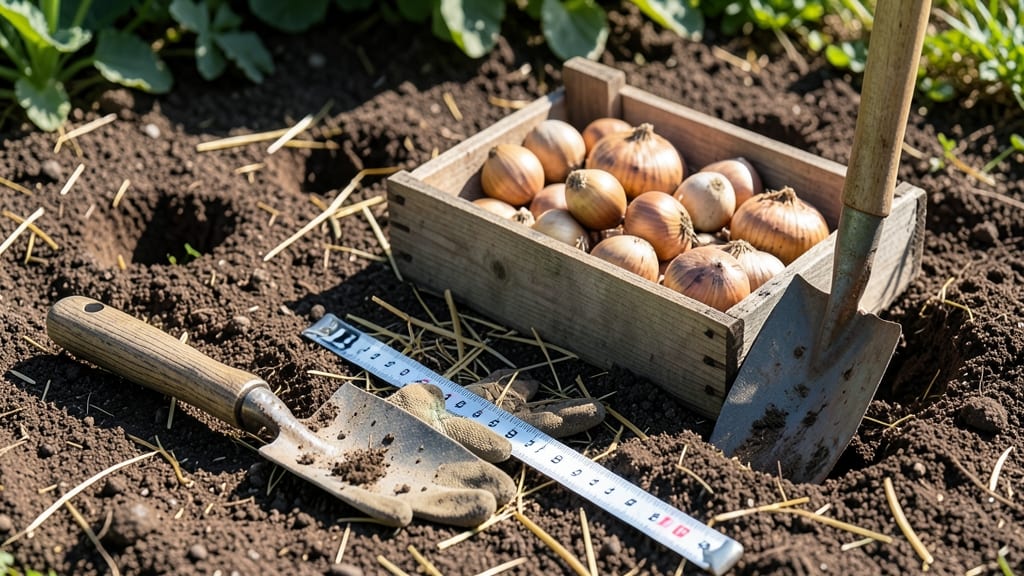
Timing your flower bulbs🌷 planting in autumn can mean the difference between a stunning spring garden and a missed opportunity.
The key lies in knowing exactly when to tuck those bulbs into the soil—whether you're in USDA Zone 6a or beyond—so they get the perfect chill period to bloom beautifully.
Most gardeners plant their flower bulbs between late September and early November, but the exact window depends on your first frost date. Too early, and the roots won’t establish; too late, and the bulbs may rot before winter. Let’s break down the ideal schedule so you never guess again.
You’ll also discover how to check your soil temperature—40-60°F is the sweet spot—and adjust for regional differences. Whether you’re planting tulips, daffodils, or hyacinths, these tips will ensure your flower bulbs wake up strong and ready to burst into color next spring.
Ready to transform your garden? I’ll walk you through everything—from soil prep to post-planting care—so you can enjoy perfect blooms without the stress. Let’s get started!
Autumn planting timeline by USDA hardiness zones for flower bulbs
Planting flower bulbs in autumn is all about timing—specifically, getting them in the ground 6-8 weeks before the first frost. This window ensures bulbs establish roots while still enjoying warm soil, setting the stage for stunning spring blooms.
But since frost dates vary wildly across the U.S., I’ve broken down the ideal planting schedule by USDA hardiness zones to help you avoid common mistakes.
Most gardeners focus on tulips, daffodils, and hyacinths, but the right timing also depends on your local climate. For example, in Zone 3 (think Minnesota or Montana), you’ll plant earlier than in Zone 10 (like Southern California).
The golden rule? Aim for soil temperatures between 40-60°F—this is when bulbs can root without rotting.
Here’s how to match your zone to the perfect planting window, plus adjustments for early or late frosts in your area:
| USDA Zone | Ideal Planting Window | Soil Temp Range (°F) | Key Bulb Varieties | Adjustments for Early Frost |
|---|---|---|---|---|
| Zones 3-4 | Late August to mid-October | 40-50°F | Tulips, Daffodils, Hyacinths, Crocuses | Plant by September 15 if frost comes early |
| Zones 5-6 | Mid-September to early November | 45-55°F | Alliums, Fritillaries, Snowdrops | Avoid planting after October 15 in colder microclimates |
| Zones 7-8 | October to early December | 50-60°F | Lilies, Nerines, Rain Lilies | Can plant through November if mild winters |
| Zones 9-10 | November to early January | 55-65°F | Crinums, Cyclamen, Paperwhites | Plant before December 1 for spring blooms |
If you’re unsure about your last frost date, check your local Cooperative Extension Service or use a frost calendar app. For example, in Zone 6a (like my garden in Virginia), I plant most bulbs by October 15 to ensure they root before the ground freezes in mid-November.
Pro tip: Tulips and hyacinths are more frost-tolerant, while daffodils can handle colder soils.
For gardeners in warmer zones (7-10), don’t wait until winter—many bulbs like rain lilies and crinums need to be in the ground by November to bloom in early spring. In Zone 10, you can even plant some varieties in January, but they’ll bloom later in the season.
The key is to avoid planting when soil temperatures drop below 40°F, as this can stunt root growth.
One common mistake? Planting too late in Zone 5 or colder. If you miss the window, your bulbs may not establish roots before the ground freezes, leading to poor blooms next spring.
To avoid this, I always mark my calendar 6 weeks before the first frost and set reminders for each zone-specific deadline. For example, in Zone 4, that’s usually early to mid-September.
Don’t forget about microclimates—a sheltered spot might stay warm longer than the rest of your yard. If your garden has areas that stay 5-10°F warmer than the average zone, you can extend your planting window by 2-3 weeks.
Just test the soil temperature with a soil thermometer (I’ll cover this in the next section!) to be sure.
Finally, if you’re new to bulb planting, start with daffodils and tulips—they’re the most forgiving for beginners. These varieties thrive in most zones and give you a bright, early spring
How to check soil temperature and prepare for bulb planting
Before you even think about digging into the soil, you need to know its temperature—this is the most critical factor for successful bulb planting. Most flower bulbs like tulips and daffodils need soil temps between 40-60°F to root properly before winter.
If it’s too warm, they’ll rot; too cold, and they won’t establish.
Use a soil thermometer (just $10 at garden centers) to check temps at a 4-inch depth, where bulbs will sit. Test it a few days in a row to account for daily swings.
If your soil is still above 60°F, wait a week or two—patience here pays off with stronger blooms next spring.
Now, let’s talk soil prep. Loosen the soil to a depth of 12-15 inches with a fork or tiller. Bulbs need room to send roots downward, and compacted soil will strangle them. Mix in compost or aged manure to improve drainage, but avoid fresh manure—it can burn delicate roots.
Here’s a common mistake I see: planting bulbs too shallow. The general rule is to bury them at a depth equal to 2-3 times their height. For example, a 2-inch-tall tulip bulb should go 4-6 inches deep. Shallow planting exposes bulbs to frost heave or rodent munching.
⚠️ Warning: Don’t Plant in Wet or Frozen Soil
Bulbs planted in waterlogged soil will rot before winter, while frozen ground won’t allow roots to establish. Check for damp but workable soil—it should crumble when squeezed, not stick to your gloved hand.
If your soil is too wet, wait until it dries out slightly (but don’t delay past your zone’s ideal window!). For frozen ground, use a soil warming trick: cover the area with black plastic for a few days to raise temps naturally.
Once your soil is ready, plant bulbs with the pointy end up—this ensures they grow straight and strong. Space them 4-6 inches apart for smaller bulbs (like crocuses) and up to 8-12 inches apart for larger ones (like daffodils).
After planting, water deeply to settle the soil and remove any air pockets around the bulbs.
Finally, add a 2-inch layer of mulch (straw or shredded leaves work great) to insulate the soil and protect bulbs from temperature swings. This step is especially important in USDA Zones 3-5, where winters are harsh.
Just avoid piling mulch directly against bulb stems—keep it 1 inch away to prevent rot.
With your soil prepped and bulbs planted just right, you’re set for show-stopping spring blooms—no guesswork involved! The key is acting when the soil is cool but workable, and your bulbs will thank you with vibrant color year after year.