
Flowers
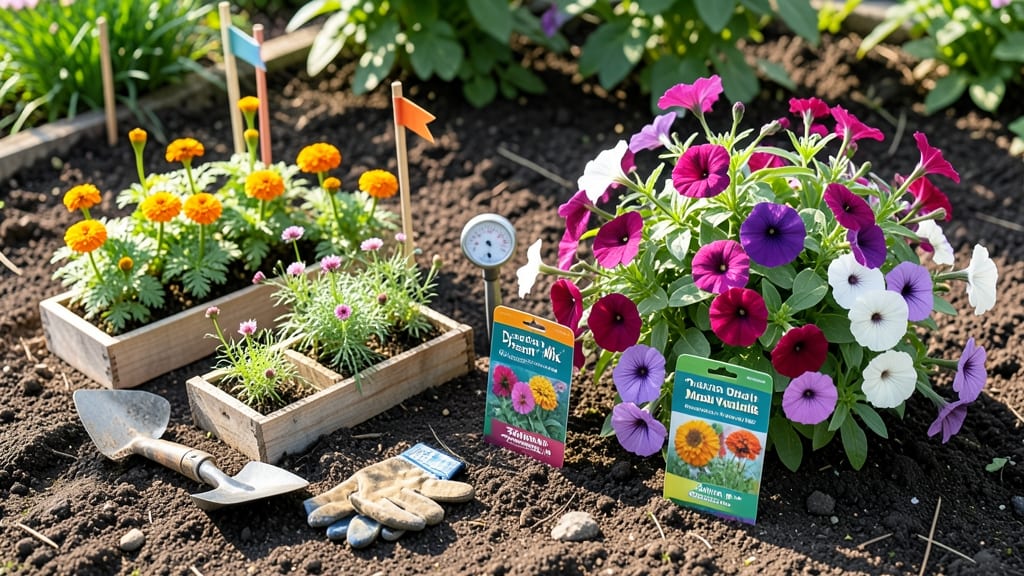
Timing when to plant flower seeds in Ohio just right means the difference between a garden bursting with color and a season of disappointment.
The 6a zone throws curveballs with its unpredictable springs, but knowing the exact weeks to plant—whether indoors or out—lets you beat frost and heat waves like a pro.
Most Ohio gardeners wait until mid-April to mid-May for direct sowing, but that’s only half the story. Cool-season bloomers like pansies and snapdragons can start indoors as early as March, while heat-lovers like zinnias and sunflowers need to wait until soil warms to 60°F—usually late April or May.
The key? Matching your seeds to Ohio’s microclimates—northern regions play by different rules than southern ones.
I’ll walk you through the perfect planting windows for every type of flower, plus how to use seed packet instructions alongside Ohio’s frost averages. Whether you’re a first-time gardener or a seasoned pro, these tips will help you stretch your blooms from spring to fall—no guesswork required.
Ready to turn your Ohio garden into a nonstop parade of petals? Let’s dive into the exact weeks and varieties that’ll make your neighbors jealous.
Ohio’s microclimate planting zones: when to start flower seeds indoors vs outdoors
Ohio’s diverse climate—from the cool lakeside regions of the north to the warmer southern valleys—means your planting timeline should adapt. The state spans USDA Zones 5b to 6b, creating distinct microclimates where last frost dates can vary by 2-3 weeks.
For example, Toledo (Zone 6a) typically sees its last frost around April 15, while Columbus (Zone 6a) averages April 20, and Cincinnati (Zone 6b) often waits until April 25. These differences matter when deciding whether to start seeds indoors 6-8 weeks early or sow directly outdoors.
For annual flowers, timing is critical because they rely on warm soil to germinate. Most cool-season annuals (like pansies or snapdragons) can handle light frosts and should be sown 4-6 weeks before your last frost date.
Meanwhile, warm-season favorites (such as zinnias or sunflowers) need soil temperatures above 60°F—wait until 2-3 weeks after your last frost to avoid stunted growth. Perennials, like coneflowers or black-eyed Susans, are hardier and can often be sown directly in early spring or even fall for an earlier bloom next year.
Here’s how to align your planting with Ohio’s three key zones—whether you’re in Northern Ohio, Central Ohio, or Southern Ohio—using a simple indoor vs. outdoor timeline.
| Zone | Last Frost Date | Indoor Start (Cool-Season) | Outdoor Sowing (Warm-Season) | Transplant Window |
|---|---|---|---|---|
| Northern Ohio (e.g., Toledo, Cleveland) | April 10–15 | March 1–15 | May 1–15 (soil >60°F) | April 25–May 10 |
| Central Ohio (e.g., Columbus, Dayton) | April 15–20 | March 10–25 | May 10–20 | May 1–15 |
| Southern Ohio (e.g., Cincinnati, Lexington) | April 20–25 | March 15–30 | May 15–30 | May 10–25 |
Adjust dates 1 week earlier for urban areas (heat islands) or 1 week later for rural highlands.
If you’re planting cool-season flowers like calendulas or sweet alyssum, you can also sow them in late summer (August) for a fall display. These varieties thrive in 50–60°F soil and can even handle light frosts, making them ideal for extending your bloom season.
For warm-season flowers, like portulaca or lantana, wait until the soil is consistently above 60°F—usually late May in most of Ohio.
Pro tip: Use a soil thermometer to check temperatures before sowing. Most flower seeds need 60–70°F soil to germinate, and cooler soils can leave you waiting weeks for sprouts.
If your soil is still chilly, consider using black plastic mulch to warm it up faster—especially in Northern Ohio, where spring can linger.
For perennial flowers, like bearded iris or daylilies, timing is less critical. You can sow seeds in early spring or even fall (6–8 weeks before frost) for a head start. However, many perennials are better bought as young plants from nurseries, as they establish more quickly and reliably.
If you’re growing from seed, aim for late spring (after frost) to avoid overwintering risks for tender varieties.
Ohio’s first frost typically arrives in mid-October, but some hardy annuals (like stock flowers or sweet peas) can still be sown in early September for a late-summer-to-fall show. These varieties love cooler weather and can even overwinter in Southern Ohio if protected with mulch.
For most gardeners, though, the primary planting window is April–June, with August offering a second chance for cool-season blooms.
Don’t forget to harden off seedlings before transplanting! If you started seeds indoors, expose them to outdoor conditions gradually over 7–10 days to prevent shock. Begin with 2–3 hours of shade on mild days, then increase exposure. This step is crucial for delicate annual
Best flower seed varieties by Ohio planting month: from cool-season to heat-loving blooms
Ohio’s diverse climate means your flower garden can thrive year-round if you plant the right varieties at the right times. Cool-season flowers like pansies and snapdragons love Ohio’s early spring and fall temperatures, while heat-loving blooms like zinnias and sunflowers shine in summer’s warmth.
Timing is everything—plant too early, and frost will nip them; too late, and they’ll struggle in heat.
March is your window for hardy annuals that tolerate light frosts. Pansies and snapdragons are top picks—they bloom early and handle 30°F nights. April brings marigolds and zinnias, which love warm soil (60°F+) and full sun.
May is prime for cosmos and sunflowers, while June’s heat suits portulaca and lantana, drought-tolerant stars for containers.
For fall blooms, don’t overlook August planting. Calendulas and sweet alyssum thrive when sown in late summer—they’ll bloom until first frost (usually mid-October in Ohio). Perennials like chrysanthemums and asters can be direct-sown in late August for autumn color.
Pro tip: Check your seed packet for days to germination—most flowers sprout in 7-14 days if soil is 60°F+. Thin seedlings to 12-18 inches apart (check packet spacing) to prevent crowding and disease. Mulch with straw or shredded leaves to retain moisture and suppress weeds.
Ohio’s microclimates matter! Southern Ohio (e.g., Cincinnati) can plant 2 weeks earlier than Northern Ohio (e.g., Cleveland). Use a soil thermometer to confirm 60°F+ soil before sowing—cold soil delays germination. Heat-loving flowers like geraniums and petunias may need shade cloth in July’s 90°F+ afternoons.
Start with 3-5 seeds per spot to ensure germination success. Label your rows (use popsicle sticks) to track varieties. With the right timing, your Ohio garden will burst with color from spring to frost—no gamble needed!