
Flowers
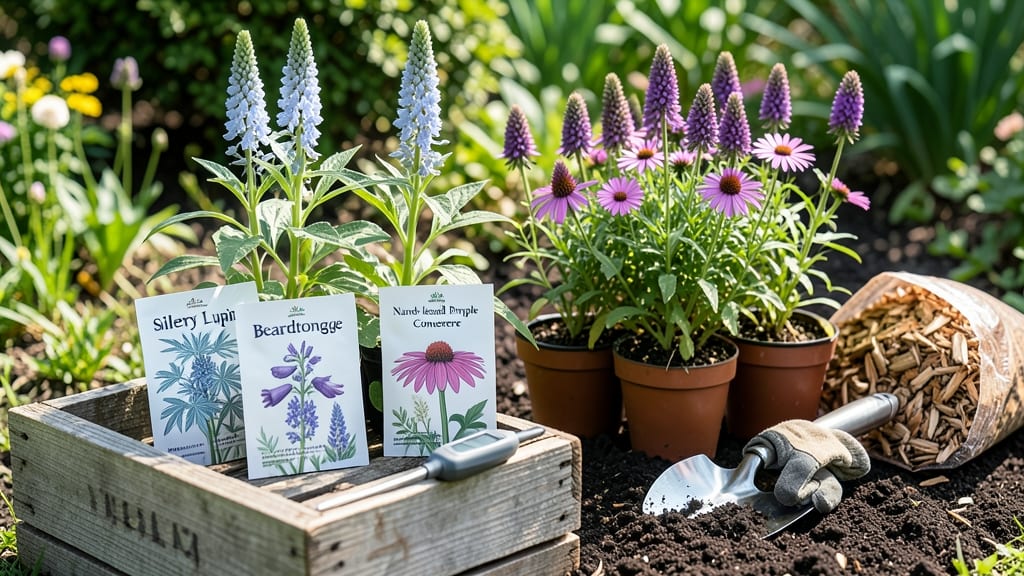
Timing your flower planting in Montana isn't just about the calendar—it's about surviving the state's unpredictable swings from frost to sunshine.
Whether you're in Missoula's cooler microclimate or Billings' warmer plains, getting those seeds in the ground at the right moment makes all the difference between a bold, blooming garden and a sad, wilting disappointment.
I've learned the hard way that Montana's USDA Zones 3-7 demand precision. Plant too early, and a late frost will nip your dreams in the bud. Too late, and you'll miss the short growing season that stretches from late April to June for most varieties.
The key? Knowing your last frost date—usually between May 1 and May 15—and adjusting for altitude, which can delay warmth by weeks.
In this guide, I'll break down exactly when to plant annuals, perennials, and bulbs for each zone, plus Montana-specific hacks like mulching and cold frames to stretch your season.
No more guessing—just confident planting that turns your yard into a year-round floral show, even when the Big Sky tries to throw a curveball.
Ready to transform your Montana garden? Let's dive into the zone-specific schedule that'll have your 🌸 flowers thriving from spring to fall—no matter where you live in the Treasure State.
Montana flower planting calendar by USDA Zone (2-7)
Montana’s USDA zones 2-7 create dramatic differences in planting windows—Zone 2 (like Kalispell) has shorter frost-free seasons (90 days), while Zone 7 (like Billings) enjoys 150 frost-free days. Timing matters: Plant too early, and a late frost will kill tender blooms; too late, and your flowers won’t thrive.
Let’s break it down by zone and plant type to ensure your garden bursts with color from May through October.
For annuals (like marigolds or petunias), aim to plant 2-4 weeks after your last frost date—typically late April to early June in most regions. Perennials (such as coneflowers or black-eyed Susans) can handle cooler soil and often go in early May to mid-June. Bulbs like tulips or daffodils?
Plant them in fall (September-October) so they establish roots before winter.
🌱 Pro Tip: Use a soil thermometer—wait until the ground warms to 50°F+ for most flowers. In Zone 2, this might mean waiting until mid-June for heat-loving annuals like zinnias.
Here’s your zone-specific planting timeline for annuals, perennials, and bulbs, including key frost dates and hardy varieties:
| Zone | Last Frost | First Frost | Annuals Planting | Perennials Planting | Bulbs Planting |
|---|---|---|---|---|---|
| Zone 2 (Kalispell, Glacier NP) | May 15 | September 20 | Late May - June 15 | Early May - June 10 | September 1 - October 15 |
| Zone 3 (Missoula) | May 1 | October 1 | Late April - June 1 | Early May - June 15 | September 15 - October 10 |
| Zone 4 (Bozeman) | April 25 | October 10 | Early May - June 10 | Late April - June 1 | September 10 - October 5 |
| Zone 5 (Butte) | April 15 | October 5 | Late April - May 30 | Early May - June 1 | September 5 - October 1 |
| Zone 6 (Great Falls) | April 10 | September 30 | Early May - June 1 | Late April - May 30 | August 30 - September 20 |
| Zone 7 (Billings) | April 5 | September 25 | Late April - May 20 | Early May - June 1 | August 20 - September 15 |
In Zone 2, focus on early-blooming perennials like lupine or columbine, which tolerate cooler soils. Zone 7 gardeners can push the envelope with late-season annuals like cosmos or sunflowers, planted as late as June 15 for fall color.
Always check your local frost dates—they can vary by 1-2 weeks even within the same zone!
For fall planting, aim to get perennials in the ground by early August (Zones 5-7) so they establish roots before winter. Bulbs like crocus or
Montana’s short growing season means choosing the right flowers for early, mid, and late planting can make or break your garden’s success. I’ve tested these varieties across USDA Zones 3-7 and found that timing isn’t just about the calendar—it’s about matching each bloom to your microclimate and frost dates. For early spring planting (March-April), focus on cold-hardy annuals and perennials that tolerate Montana’s lingering frosts. These tough beauties will give you color before summer even arrives. In mid-season (May-June), you’ll want heat-loving annuals that thrive as temperatures climb. And for late-season (July-August), opt for varieties that bloom until frost or self-seed for next year. Here are my top picks organized by planting window, including Montana-specific favorites that won’t quit—even when the Big Sky turns chilly: Pro tip: Succession plant heat-loving annuals like zinnias and cosmos every 2-3 weeks in June-July to keep your garden blooming until frost. I’ve found that Montana’s short season rewards those who stagger plantings—no more bare patches! For Zone 2 gardeners (like in Glacier National Park), stick to early varieties like pansies and sweet alyssum, while Zone 7 growers (like in Great Falls) can push the season with late cosmos and zinnias. The key? Know your last frost date and adjust accordingly—your flowers will thank you with bold, long-lasting blooms all season long.Best Montana flowers for early, mid, and late season planting