
Flowers
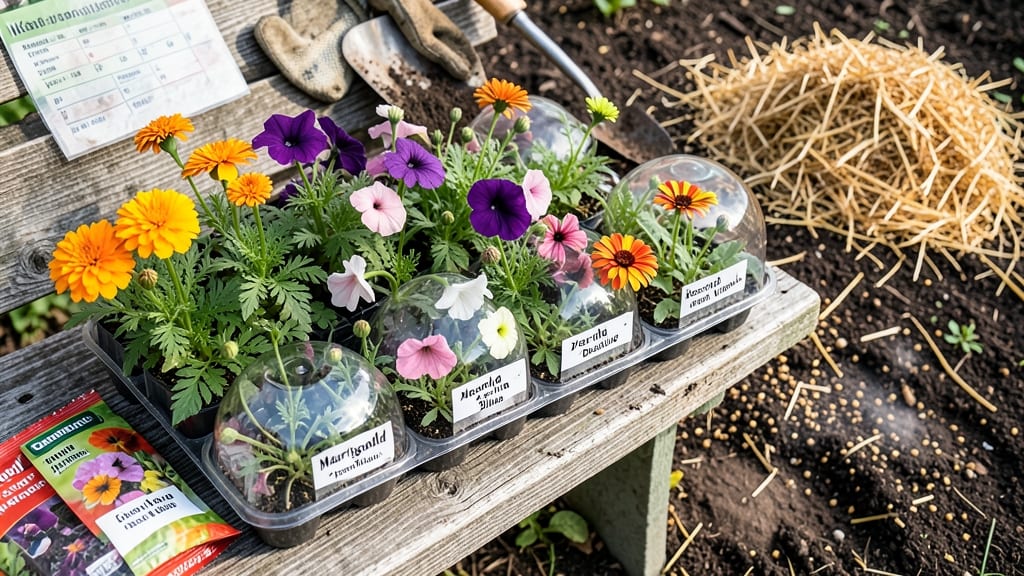
When to plant flowers in New Jersey can make all the difference between a vibrant garden and a lackluster one. With USDA zones 6a-7b and unpredictable coastal breezes, planting too early or late throws off your entire growing season.
You might think spring is the only window, but fall planting actually gives many flowers a head start for next year's blooms. The key is knowing your microclimate—whether you're in the cooler coastal areas or warmer inland zones—and working with those conditions rather than against them.
In this guide, I'll break down the exact planting deadlines you need to maximize blooms from March through October. We'll cover everything from cold-hardy perennials that thrive in early spring to heat-loving annuals that need to wait until after last frost.
Ready to transform your garden? Let's dive into the precise timing that'll have your flowers thriving all season long—no guesswork required.
New Jersey flower planting deadlines by microclimate zone (coastal vs. inland vs. Piedmont)
New Jersey’s three distinct climate zones create wildly different planting windows—coastal areas like Cape May can plant 2-3 weeks earlier than inland cities like Newark. Understanding these zones ensures your annuals, perennials, and bulbs thrive without frost damage or stunted growth. Let’s break down the exact deadlines for each zone.
For coastal NJ (Zones 6b-7a), like Atlantic City and Cape May, the last frost typically arrives by March 20-30, giving you a head start.
Inland areas like Newark and Trenton (Zone 6b) usually wait until April 10-20, while the Piedmont region (Zone 6a), including Sussex County, may see frost as late as May 1. These differences matter—planting marigolds too early in the Piedmont risks frost damage.
🌱
Bulbs like tulips and daffodils deserve special attention—they need to be planted 6-8 weeks before your zone’s first frost. In coastal areas, that means September 1-15, while inland gardeners should aim for October 1-15. This timing ensures roots establish before winter dormancy.
For perennials, early spring is ideal—plant coneflowers and black-eyed Susans as soon as the soil is workable (usually March-April in coastal zones). In the Piedmont, wait until late April to avoid frost heave. Succession planting every 2-3 weeks after your zone’s last frost keeps blooms continuous through summer.
🌿
Don’t overlook fall planting—it’s your secret weapon for next year’s blooms. Plant spring-blooming bulbs by October 15 in coastal areas and November 1 inland. For hardy perennials like hostas and asters, aim to get them in the ground by October 10 to establish roots before winter.
Pro tip: Use frost blankets or row covers to extend your planting window by 1-2 weeks in early spring or late fall. Just
☀️
Best flowers to plant in NJ by season (with microclimate adaptations)
New Jersey’s spring and fall planting seasons offer perfect windows for annuals, perennials, and bulbs, but your choices should adapt to whether you’re in coastal, inland, or Piedmont regions.
Coastal areas like Cape May have milder winters, while inland zones like Newark can experience sudden late frosts—so timing matters!
For spring blooms, focus on cold-hardy annuals like pansies and snapdragons, which thrive in cooler temperatures (40–50°F).
These can be sown as early as late February in coastal zones but wait until mid-March inland to avoid frost damage. Perennials like coneflowers and black-eyed Susans should go in early spring (March–April) for established roots before summer heat.
| Season | Flower Type | Best Varieties | Microclimate Notes |
|---|---|---|---|
| Spring | Annuals | Pansies, Snapdragons, Zinnias | Coastal: Late Feb; Inland: Mid-March |
| Spring | Perennials | Coneflowers, Daylilies, Lavender | Plant after last frost (April) |
| Fall | Bulbs | Daffodils, Tulips, Crocus | 6–8 weeks before first frost (Sept) |
| Summer | Heat-Tolerant Annuals | Marigolds, Sunflowers, Petunias | Wait until soil warms (May–June) |
Fall planting is your secret weapon for early spring color. Bulbs like daffodils and tulips should hit the ground 6–8 weeks before your area’s first frost—typically September.
Coastal NJ gardeners can push this to early October, while inland zones should aim for mid-September to avoid winter heaving. Perennial flowers like aster and chrysanthemums also thrive when planted in early fall, giving them time to establish roots before winter.
For summer-long blooms, heat-resistant annuals like zinnias and marigolds are your best bets. These should be sown after Memorial Day (late May) when soil temperatures consistently stay above 60°F.
In hotter Piedmont regions, opt for afternoon shade to prevent wilting. Succession planting every 2–3 weeks ensures continuous color through October.
Don’t overlook shade-loving perennials like hostas and heucheras, which thrive in woodland gardens or north-facing beds. These can be planted spring or fall in well-draining soil, but avoid soggy spots—New Jersey’s humidity makes fungal diseases a risk in poorly drained areas.
Pro tip: Container gardening extends your options! Petunias and geraniums in pots can be moved to protected spots during late frosts or heatwaves, giving you flexibility across NJ’s microclimates. Just ensure pots have drainage holes to prevent root rot.