
Planting
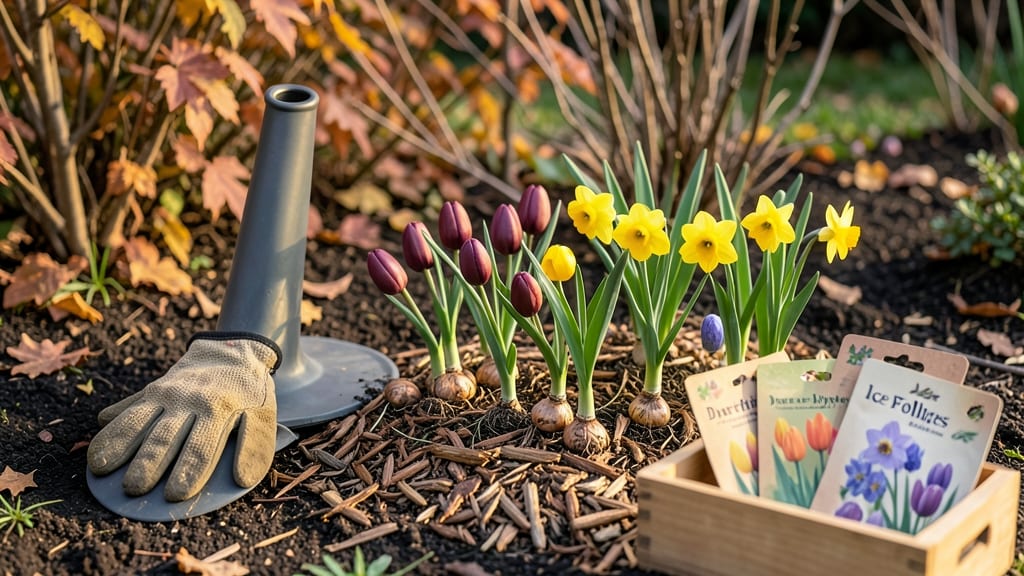
Timing your Connecticut garden planting just right can make all the difference between a lush harvest and a sad, frost-bitten disappointment.
With USDA Zone 6a and 6b climates, knowing when to plant your 🌱 General Garden Plants means working with Connecticut’s average last frost on April 15 and first frost on October 15—a narrow window where every week counts.
If you’ve ever wondered why some gardeners in your neighborhood seem to have perfect tomatoes while yours struggle, it’s likely because they’re planting at the right moment.
Cool-season crops like lettuce and peas thrive when planted 4-6 weeks before that last frost, while warm-season favorites like tomatoes and peppers need to wait until 2-3 weeks after the danger has passed.
But here’s the catch: Connecticut’s planting deadlines aren’t one-size-fits-all. Coastal areas like New Haven might have slightly earlier frost dates, while inland spots like Hartford can face colder snaps. I’ll break down exactly when to plant each type of crop—vegetables, flowers, and perennials—and how to adjust for your specific microclimate.
Ready to turn your garden into a thriving oasis? Let’s dive into the month-by-month planting schedule that’ll keep your Connecticut garden on track for a bountiful harvest—no guesswork required.
CT planting deadlines by season: frost dates and last-minute tips
Connecticut’s USDA Zone 6a/6b climate means your planting schedule hinges on average last frost dates—typically April 15 for spring and October 15 for fall. However, coastal areas like New London often see earlier last frosts (by 1-2 weeks), while inland regions near Hartford may face delays.
Always check local weather forecasts or use the National Weather Service’s frost calendar for real-time adjustments.
For cool-season crops like lettuce, spinach, and peas, start seeds 4-6 weeks before your last frost date. In CT, this means early March sowings under row covers or in a greenhouse. Warm-season staples like tomatoes and peppers, however, need soil temperatures above 60°F—usually late May—before transplanting outdoors.
Pro tip: Use biodegradable seedling pots to avoid transplant shock when moving seedlings from indoor starts to garden beds. This method also lets you harden off plants gradually by placing pots outside during the day and bringing them in at night for 1-2 weeks before full exposure.
🌱
| Season | Planting Window | Key Crops | Soil Temp | CT Deadline |
|---|---|---|---|---|
| Spring | 4-6 weeks before last frost | Lettuce, Spinach, Peas, Broccoli | 40-50°F | Early March (indoors) |
| Spring | 2-3 weeks after last frost | Tomatoes, Peppers, Cucumbers | 60°F+ | Late May |
| Fall | 6-8 weeks before first frost | Kale, Radishes, Carrots, Beets | 50-60°F | Early August |
| Fall | Direct sow 4 weeks before frost | Spinach, Lettuce, Arugula | 45-55°F | Mid-September |
Fall planting in CT is a golden opportunity for hardy greens and root vegetables. Aim to sow cool-season crops 6-8 weeks before your first frost (early August for most of the state).
Use row covers or cold frames to extend harvests into November, especially for kale, carrots, and beets, which sweeten after frost.
If you’re in a coastal microclimate, like Groton or New Haven, you can push planting dates 1-2 weeks later than inland areas. Urban gardeners in Bridgeton or Hartford should monitor heat islands, which can delay frost by 5-7 days compared to rural zones.
Always test soil temperatures with a soil thermometer—it’s the most reliable way to avoid planting too early.
For perennials and shrubs, the best time to plant in CT is early spring (April) or early fall (September). This gives roots time to establish before winter dormancy.
Amend heavy clay soil (common in CT) with compost or peat moss to improve drainage, and water deeply once a week for the first month to encourage root growth.
🌿
Don’t forget about succession planting! In CT’s short growing season, staggered sowings every 2 weeks ensure continuous harvests. For example, plant bush beans every 10 days from May to July to enjoy fresh pods all summer. This strategy also minimizes pest pressure by keeping plants at different growth stages.
When in doubt, use the 50°F soil temperature rule: Wait until soil warms to 50°F for 10 consecutive days before planting warm-season crops. In CT, this usually aligns with late May, but coastal areas may reach this milestone by mid-May.
Track your local data using CT Agricultural Experiment Station reports for precise timing.
Best vegetables to plant in CT by month: a month-by-month guide
Connecticut’s short growing season demands precision—planting the right vegetables at the right time ensures a steady harvest from spring to fall. I’ve broken down the month-by-month schedule for top-performing CT crops, including cold-hardy greens and heat-loving tomatoes.
Whether you’re a beginner or a seasoned gardener, this guide will help you maximize your garden’s potential.
Start with cool-season crops like spinach and peas in early spring, then transition to warm-season favorites such as tomatoes and peppers once the soil warms. Don’t forget about succession planting—sowing new seeds every 2-3 weeks keeps your harvests coming all season long.
For example, planting bush beans in May, June, and even July ensures fresh pods until frost.
🌱
- 1 March: Start cool-season crops indoors—lettuce, spinach, and broccoli. Harden off seedlings by late March.
- 2 April: Plant peas, radishes, and onions outdoors as soon as soil is workable. Transplant cabbage and kale after last frost.
- 3 May: Warm-season crops like tomatoes, peppers, and cucumbers go in after May 15. Start succession plantings of beans and carrots.
- 4 June: Plant late-season crops—squash, corn, and melons. Begin harvesting early lettuce and radishes for succession plantings.
- 5 July: Sow fall greens like spinach and kale for harvest in September-October. Watch for pests and diseases in warm weather.
- 6 August: Plant cool-season crops like broccoli and Brussels sprouts. Harvest tomatoes and peppers before frost.
Extend your growing season with row covers or cold frames—these simple tools can push your harvests by 2-4 weeks in both spring and fall. For example, covering spinach or lettuce in late September can keep them edible until early November, even if temperatures dip. Just
🌿
If you’re new to succession planting, start small with fast-growing crops like radishes or lettuce. Plant a row every 2 weeks, and you’ll have a continuous supply without overwhelming your space.
For tomatoes and peppers, which take longer to mature, stick to one planting in early May and use mulch to retain soil warmth and moisture. This small adjustment can mean the difference between a bountiful harvest and stunted plants.
💡