
Planting
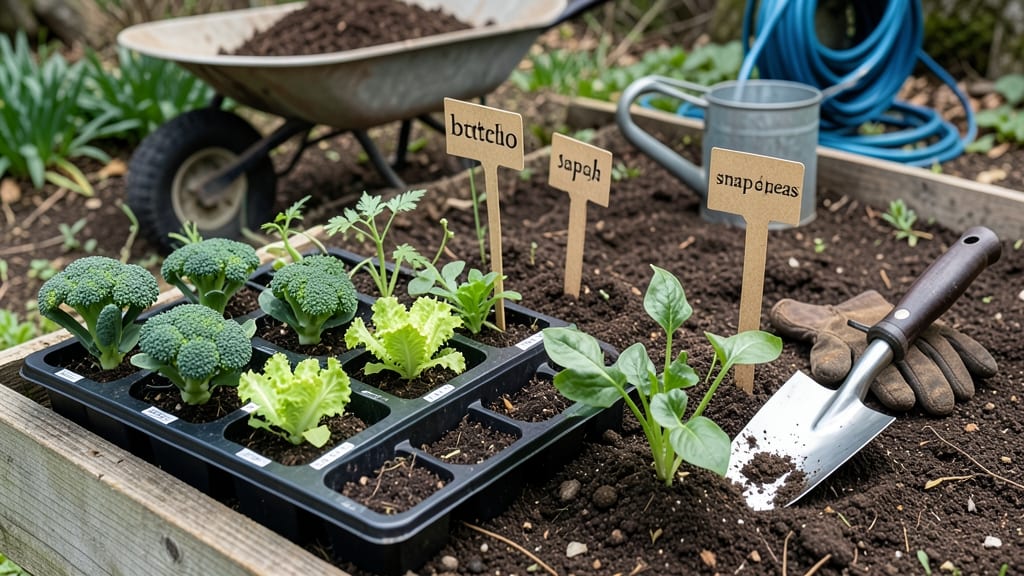
Timing your garden planting in East Tennessee’s unique microclimates can mean the difference between a bountiful harvest and wasted seeds—especially in the transition between USDA Zones 6 and 7.
Whether you're tucked into the mountains or nestled in a valley, getting those seeds in the ground at the right time is the key to success.
With spring frost dates typically landing around mid-April, you’ve got a narrow window to plant cool-season crops like lettuce and peas before the warmth arrives. But don’t rush—soil temperatures matter just as much as calendar dates.
I’ll show you how to read the signs and adjust your planting schedule based on your specific microclimate.
If you’re in the higher elevations, cooler nights might push your planting window back by a few weeks compared to Knoxville’s urban heat island. That’s why understanding these local variations is so important—it’s not just about the month, but about the right conditions for your garden’s success.
Ready to maximize your harvest? Let’s break down the exact planting windows, soil prep tips, and how to account for East Tennessee’s unique growing seasons—so you can start planting with confidence and watch your garden thrive.
East Tennessee planting calendar by microclimate zone 6-7
East Tennessee’s gardening success hinges on understanding its USDA Zones 6b-7a and the 165 frost-free days between April 15 and October 15. The region’s mountain valleys (like Knoxville) warm faster than higher elevations (like Gatlinburg), creating microclimates that shift planting windows by weeks.
I’ve broken down the month-by-month schedule for cool-season crops, warm-season crops, and perennials to help you align your planting with soil temperatures and frost risks.
For cool-season crops like lettuce and spinach, start seeds 4-6 weeks before your last frost date—typically by mid-March in valleys and late March in mountains. Warm-season crops such as tomatoes and peppers need to wait until after May 1, when soil temperatures consistently stay above 60°F.
Perennials like lavender and daylilies should be planted in early spring or fall for best root establishment.
Here’s a quick reference for soil temperature thresholds that dictate planting success:
| Plant Type | Ideal Planting Window | Soil Temp (°F) | Notes |
|---|---|---|---|
| Cool-Season Vegetables | March 15–April 15 | 45–60°F | Lettuce, spinach, peas, broccoli |
| Warm-Season Vegetables | May 1–June 15 | 60–70°F | Tomatoes, peppers, cucumbers |
| Perennials | March 1–April 30 or Sept 1–Oct 15 | 50–65°F | Daylilies, lavender, coneflowers |
| Fall Crops | July 15–August 15 | 60–75°F | Kale, radishes, carrots |
| Herbs | April 1–May 15 or Sept 1–Oct 1 | 55–70°F | Basil, parsley, cilantro |
In valley areas, you can push planting dates 2 weeks earlier than mountain regions due to warmer microclimates. For example, Knoxville’s urban heat island allows for earlier tomato transplants in late April, while higher elevations like Tellico Plains may need to wait until mid-May.
Always monitor local frost forecasts—a late frost in April can devastate tender seedlings.
For succession planting, focus on fast-maturing crops like radishes (25 days) and bush beans (50 days) to extend your harvest. Plant every 2 weeks from May through July to keep your kitchen stocked.
Cool-season crops can also be sown in late summer (August) for a fall harvest before the first frost.
Soil preparation is just as critical as timing. Amend your beds with compost or aged manure in early spring to improve drainage and fertility. Test your soil’s pH (ideal: 6.0–7.0) and adjust with lime or sulfur if needed.
Mulching with straw or wood chips helps retain moisture and regulate soil temperature, especially in mountain gardens where nights can still dip below 50°F even in summer.
Don’t overlook fall planting—it’s a smart way to beat East Tennessee’s short growing season. Plant hardy greens like spinach and kale in late July or early August for harvests in September and October.
These crops thrive in cooler fall temperatures and can often survive light frosts, giving you a second harvest before winter sets in.
Use a planting journal to track your success. Note which varieties thrive in your microclimate and adjust future schedules accordingly.
For example, if cherry tomatoes ripen perfectly in your valley garden by early September, you’ll know to plant them again the following year—but if your mountain garden struggles, consider shorter-season varieties like ‘Stupice’ or ‘Mountain Merit’ tomatoes.
Pro tip: Start seeds indoors 6–8 weeks before your last frost date to give them a head start. Use grow lights if your indoor space lacks natural light, and harden off seedlings for a week before transplanting to avoid shock.
This is especially useful for peppers and eggplants, which need a long, warm season to mature.
Finally, keep an eye on local weather patterns. East Tennessee’s Appalachian influence can bring unexpected cold snaps or heatwaves. Subscribe to NOAA frost alerts and use row covers or cold frames to protect young plants during late frosts.
With the right timing and a little flexibility, you’ll maximize your garden’s potential in this beautiful but variable region.
How to adjust planting times for East Tennessee’s microclimates
East Tennessee’s diverse elevations—from Knoxville’s urban heat islands to the Smoky Mountains’ chilly valleys—mean your planting schedule should be just as flexible. A 500-foot elevation gain can shift your frost dates by 1-2 weeks, so blindly following a one-size-fits-all calendar won’t cut it.
I’ve gardened in both lowland valleys and mountain ridges, and trust me, your neighbors’ advice might not apply to your yard.
Start by identifying your local microclimate. Are you in a south-facing slope that warms up faster? Or tucked in a north-facing valley where frost lingers? These differences can mean the gap between planting cool-season crops like broccoli and warm-season crops like peppers shrinks—or expands—significantly.
For example, Gatlinburg’s higher elevations might still see frost in late May, while Chattanooga’s lower areas could be safe by mid-April.
Here’s how to fine-tune your planting schedule based on your specific conditions:
Use this rule of thumb: 1,000 feet higher = 3-5°F cooler and 1-2 weeks later for frost dates. Check your elevation using a topographic map or GPS app, then compare to local frost data.
South-facing slopes warm 2-4°F faster than flat areas. Plant warm-season crops like tomatoes or peppers 1-2 weeks earlier here, while north-facing slopes may need a delay of 1-2 weeks.
Use row covers or cold frames to plant cool-season crops 3-4 weeks earlier in spring or 2-3 weeks later in fall. I’ve successfully grown spinach in October using a simple hoop tunnel!
Stagger plantings of fast-growing crops like lettuce or radishes every 2 weeks to ensure a steady supply. This works especially well in shorter-season microclimates like the mountains.
Warm-season crops need soil temps above 60°F. Use a soil thermometer—don’t guess! In cooler microclimates, wait until soil warms naturally or use black plastic mulch to speed it up.
Don’t overlook urban heat islands either. Cities like Knoxville can be 5-10°F warmer than rural areas, allowing you to plant heat-loving crops like okra or sweet potatoes 2 weeks earlier than in nearby valleys. I’ve seen basil bolt in shaded mountain gardens but thrive in city planters with extra heat.
Pro tip: Keep a gardening journal for at least 2 years to track your local frost dates, soil warming patterns, and plant success. Over time, you’ll spot trends that even the USDA zone map misses.
With these adjustments, you’ll turn East Tennessee’s microclimates from a challenge into your garden’s secret weapon for year-round growing.