
Planting
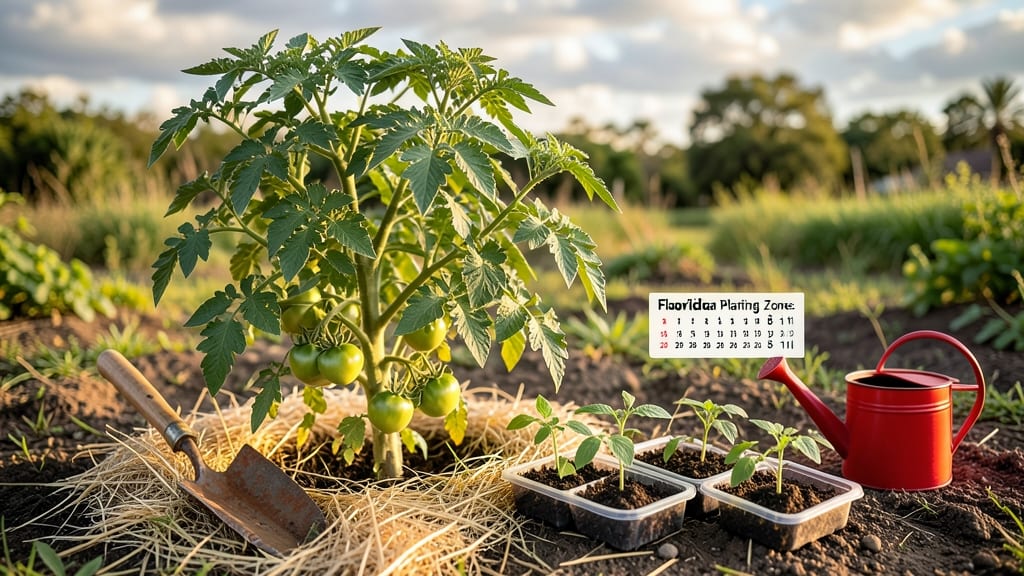
Planning your General Florida Garden 🌱 can feel overwhelming when the calendar offers 12 months of potential planting—but timing still matters more than you think. Skip the wrong season, and you’ll battle pests, stunted growth, or even crop failure, no matter how hard you water.
Florida’s frost-free zones (8a-11) let you grow almost anything, but regional microclimates—like the humid Panhandle vs. the tropical Keys—change the rules.
Most gardeners assume "year-round" means "whenever," but the truth is, cool-season crops (like lettuce) thrive in fall and winter, while heat-lovers (tomatoes, peppers) need to wait until after Florida’s last frost—typically mid-March in the North and year-round in the South. Without this timing, you’re basically playing gardening roulette.
I’ve spent years testing what works in Florida’s three key zones, and the secrets I’m about to share will help you avoid common mistakes—like planting too late for monsoon season or ignoring soil temperature.
Whether you’re a first-time gardener or a veteran with a General Florida Garden already thriving, these microclimate-specific tips will save you time, money, and frustration.
Ready to stop guessing? Let’s break down the exact months to plant for your region, plus the top 5 mistakes even experienced Florida gardeners make—and how to fix them. Your garden’s success starts here.
Florida’s planting zones by microclimate: North vs. central vs. South timing
Florida’s gardening success hinges on understanding its three distinct microclimates. From the Panhandle’s cooler winters to South Florida’s frost-free growing, each zone demands unique timing for optimal harvests.
The key? Aligning your planting schedule with local frost risks, rainfall patterns, and soil temperatures—not just calendar months.
North Florida (Zones 8a-9a) experiences occasional light frosts (rarely below 28°F), while Central Florida (Zones 9b-10a) enjoys mild winters with rare dips below 32°F. South Florida (Zones 10b-11) remains frost-free year-round, allowing for continuous planting.
Even within these zones, elevation and proximity to water create micro-variations—coastal areas stay warmer longer than inland regions.
Warm-season crops like tomatoes, peppers, and okra thrive when soil temperatures exceed 60°F, typically by mid-March in South Florida but not until mid-April in North Florida. Meanwhile, cool-season crops such as lettuce, broccoli, and carrots prefer temperatures below 75°F, making fall and winter their ideal planting windows in most regions.
Here’s how to match your planting schedule to Florida’s three primary microclimates, including frost-sensitive vs. heat-tolerant crops:
In North Florida, prioritize fall planting for cool-season crops like cabbage and spinach, as winter temperatures can drop to 30°F in inland areas. Use row covers or cold frames to protect tender seedlings.
For warm-season crops, wait until after April 15 to avoid early-season pests like aphids, which thrive in Florida’s mild winters.
Central Florida gardeners enjoy longer growing seasons but must navigate humidity spikes in summer. Plant heat-tolerant varieties like Okinawan sweet potatoes or Malabar spinach for summer harvests, while cool-season crops like kale and radishes perform best in fall and winter. Succession planting every 2-3 weeks ensures continuous harvests.
South Florida’s frost-free climate allows for year-round gardening, but humidity and pests (like whiteflies and fungal diseases) demand vigilance.
Focus on shade-loving crops like Swiss chard or bush beans during peak summer (June–August) and heat-tolerant tomatoes like Solar Fire for year-round production. Drip irrigation is a must to prevent fungal issues.
Pro tip: Use a soil thermometer to confirm 60°F+ soil temps before planting warm-season crops—this is more critical than air temperature. In North Florida, aim for mid-April; in South Florida, you can start as early as February for heat-loving plants like peppers or eggplant.
For native Florida plants like sabal palm or coontie, timing matters less, but transplanting in spring (March–May) gives them the best start. These drought-tolerant species thrive with minimal intervention once established, making them ideal for low-maintenance landscapes.
Remember: Florida’s wet and dry seasons also dictate planting. Avoid sowing seeds during peak rainfall (June–September), as waterlogged soil can cause seed rot. Instead, opt for transplants or use raised beds to improve drainage.
Top 5 mistakes Florida gardeners make with planting timing (and how to avoid them)
Even experienced Florida gardeners sometimes fall into timing traps that sabotage their gardens. The biggest mistake? Assuming year-round growing means planting anytime. In reality, Florida’s humidity spikes and monsoon seasons create hidden planting windows most miss.
For example, planting cool-season crops like lettuce in summer’s heat will turn them bitter or bolt before harvest.
Another common error is ignoring soil temperature. Seeds need warm soil (65°F+) to germinate, but Florida’s clay-heavy soils stay cold longer in spring. I’ve seen gardeners rush to plant peppers in March only to watch them rot in damp, chilly soil.
Always check soil temp with a thermometer—70°F+ is ideal for warm-season crops.
The third pitfall? Overlooking regional frost risks, even in "frost-free" zones. North Florida’s Zone 8a can still see light freezes, while South Florida’s Zone 10a might experience microclimate frosts in inland areas. Protect tender plants like tomatoes with row covers if temps dip below 32°F.
⚠️ Warning: Planting Too Late for Monsoons
Florida’s wet season (June-October) brings heavy rains that can drown seedlings or cause fungal diseases. If you plant warm-season crops like squash in late summer, they’ll struggle to establish before the downpours. Solution: Start seeds indoors in May or use raised beds for better drainage.
Mistake #4: Skipping succession planting for fast-growing crops. Florida’s 300+ frost-free days let you harvest bush beans or radishes every 6 weeks—but most gardeners plant once and call it done.
I’ve doubled my harvest by sowing new seeds every 3-4 weeks during peak growing months (March-October). Use a planting calendar to track rotations.
Finally, many gardeners overwater in response to Florida’s heat, not realizing waterlogged soil suffocates roots. The fix? Water deeply once weekly (1-2 inches) rather than daily light sprinkles. Use a moisture meter to check—soil should be damp but not soggy. Mulch with pine straw to retain moisture without drowning plants.
By avoiding these timing mistakes, your Florida garden will thrive year-round. The key is adapting to microclimates, not treating the whole state as one. Next, we’ll dive into a month-by-month planting guide tailored to your specific zone.