
Planting
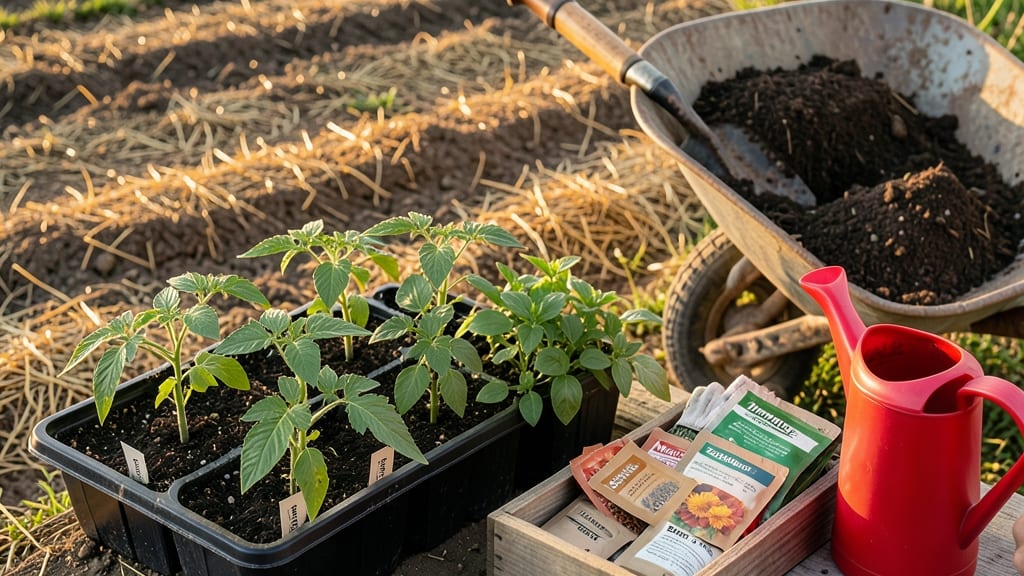
Timing your Indiana garden planting can mean the difference between a thriving harvest and wasted effort. The right window for planting your 🌱 General Garden Plants depends on more than just the calendar—it’s about understanding your local frost dates, soil warmth, and even microclimates that shift planting by weeks.
Indiana’s USDA Zones 5b-6b offer a 165-day frost-free season, but that doesn’t mean every region follows the same rules. Northern Indiana’s cooler springs and southern areas’ earlier warmth create real differences in when to start seeds indoors, transplant seedlings, or direct-sow into the garden.
Whether you’re dreaming of crisp spring lettuce or bumper crops of summer tomatoes, knowing the exact dates to plant—like the March 15 to May 15 spring window or the August 1 to September 15 fall window—helps you avoid frost damage or stunted growth.
In this guide, I’ll break down Indiana’s frost patterns, soil temperature thresholds, and crop-specific schedules so you can plant with confidence—no guesswork required.
Indiana’s frost dates by region: Zone 5 vs. Zone 6 planting timelines
Indiana’s USDA Zones 5b-6b create a delicate balance—just a few degrees or weeks can mean the difference between thriving plants and frost-killed dreams.
Northern Indiana (Zone 5) typically faces last spring frosts around April 15-30, while Southern Indiana (Zone 6) enjoys 2-3 weeks earlier, often by April 1-15. These dates shift based on elevation, urban heat islands, and lake effects near Michigan.
First, check your local microclimate. Urban areas like Indianapolis may warm up faster, while rural spots near Lake Michigan can linger colder. The Indiana State Climate Office tracks these variations—bookmark their frost probability maps for real-time adjustments.
For example, LaPorte County (Zone 5) might see frost until May 5, while Vanderburgh County (Zone 6) could be frost-free by April 10.
Understanding fall frost dates is equally critical. Northern Indiana’s first frost often hits October 15-30, while Southern Indiana stretches to November 1-15.
This means cool-season crops like kale or spinach can thrive in Zone 6 until late October, while Zone 5 gardeners should harvest by mid-October to avoid damage.
Here’s how to use these timelines: Wait until 3 consecutive days above 50°F (10°C) before planting frost-sensitive crops like tomatoes or peppers. For hardy greens, you can start 2-3 weeks earlier once soil temperatures hit 40°F (4°C).
Always monitor soil temperature, not air temperature—it’s the real indicator of planting readiness.
| Region | Last Spring Frost | First Fall Frost | Frost-Free Days | Planting Window Shift |
|---|---|---|---|---|
| Northern Indiana (Zone 5) | April 15-30 | October 15-30 | 150-165 days | 1-2 weeks later than Zone 6 |
| Southern Indiana (Zone 6) | April 1-15 | November 1-15 | 170-185 days | 1-2 weeks earlier than Zone 5 |
| Urban Areas (e.g., Indy) | April 10-20 | October 20-Nov 5 | 160-175 days | Up to 10 days earlier than rural |
| Lake Michigan Effect (NW IN) | April 25-May 5 | October 5-15 | 140-155 days | 1-3 weeks later than inland |
Pro tip: Use the 10-day rule for flexibility. If your area’s average last frost is April 15 but you’re eager to plant, wait until April 25 to account for late-year cold snaps.
Conversely, if you’re in a warm microclimate and want to extend your season, plant heat-loving crops like okra or sweet potatoes by June 15-30—they thrive in Indiana’s summer heat.
For perennials and shrubs, timing matters too. Plant woody plants in early spring (April) or fall (October) when the soil is workable but not frozen. Bulbs like tulips should go in October-November to establish roots before winter.
Always dig a hole twice as wide as the root ball to encourage root spread and reduce transplant shock.
Don’t forget fall planting
Best planting schedule for Indiana vegetables: cool vs. warm season crops
Indiana’s 165-day growing season gives you two prime planting windows: spring (March–May) and fall (August–September). But not all vegetables thrive in the same conditions. Cool-season crops like lettuce and peas love the chill, while warm-season crops like tomatoes and peppers need heat to flourish.
Timing is everything—plant too early, and frost will kill tender seedlings; too late, and your harvest suffers from heat stress.
To nail your schedule, I’ll break it down by crop type, including soil temperature thresholds and whether to start seeds indoors or sow directly. Pro tip: Use the 10-day rule—if your local frost date shifts by a week, adjust your planting by 10 days to stay safe.
For example, if your last frost is April 22 instead of April 15, delay planting heat-lovers by 10 days.
🌱 📌 Key Takeaway: Most Indiana gardeners should aim to plant cool-season crops 4–6 weeks before the last frost (by March 15) and warm-season crops 2–4 weeks after (after April 15). Fall planting follows the reverse: warm-season crops go in by August 1, and cool-season crops by September 15.
Let’s dive deeper into soil temperature, the unsung hero of planting success. A soil thermometer is your best friend—cool-season crops need soil at 40–65°F, while warm-season crops stall below 60°F.
In Northern Indiana (Zone 5), soil may not warm enough for tomatoes until late May, while Southern Indiana (Zone 6) can start planting peppers as early as mid-April.
For transplanting seedlings, wait until nighttime temperatures stay above 50°F. If frost is forecasted, cover seedlings with row fabric or a cloche. And remember: direct-sowing (like beans or carrots) can often happen earlier than transplanting, as the seeds are hardier.
Always check the seed packet for specific advice—some varieties are bred for faster germination in cooler soil.
🌿 💡 Quick Tip: If you’re in doubt, use the "5-10-15 rule": Plant 5 weeks before the last frost for cool crops, 10 weeks before for slow growers like broccoli, and 15 days after the last frost for heat-lovers like peppers.
Adjust based on your microclimate—urban areas warm up faster than rural spots!