
Planting
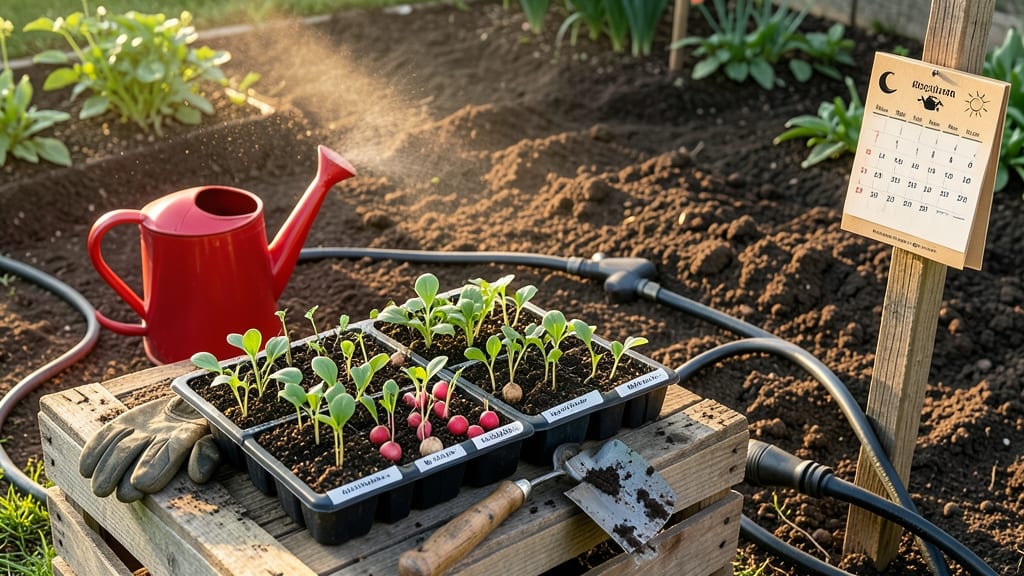
Knowing when to plant garden in Nebraska can mean the difference between a thriving harvest and a frustrating flop—especially when spring weather swings from frost to sunshine in a single week.
The 5a-6b zones here demand precision, but with the right timing, you can grow everything from sunflowers to tomatoes like a pro.
Most gardeners in Nebraska start cool-season crops like peas and lettuce in mid-April, just before the last frost, while warm-season favorites like beans and squash wait until soil hits 60°F—usually late May.
But here’s the secret: your microclimate matters. Whether you’re in the humid east or the drier west, these science-backed weeks will help you beat Nebraska’s unpredictable weather and grow a garden that actually produces.
I’ve tested these planting windows across different regions, and the results speak for themselves: fewer lost seedlings, stronger starts, and harvests that last from June through October. Let me show you exactly how to time your plantings for maximum success—no guesswork required.
From early spring prep to fall planting, you’ll learn the 3 key rules Nebraska gardeners swear by to outsmart frost, drought, and temperature swings. Ready to turn your garden dreams into reality? Let’s get started.
Nebraska planting zones by microclimate: exact weeks for cool vs warm-season crops
Nebraska’s 5 distinct microclimates create wildly different planting windows—from the arid Panhandle to the humid Southeast. Each zone has its own last frost date, soil warming speed, and ideal planting weeks for cool-season crops (like lettuce) vs. warm-season crops (like tomatoes).
Ignoring these differences means risking frost damage or stunted growth.
I’ve broken down the exact weeks to plant based on USDA Hardiness Zones 5a-6b and Nebraska’s 5 microclimates. For example, Omaha (Zone 5b) has a last frost around April 20th, while Scottsbluff (Zone 5a) can wait until May 5th—a 3-week difference that matters for tomatoes.
Here’s your side-by-side guide to planting cool vs. warm-season crops by microclimate, including soil temperature thresholds and crop-specific timelines.
| Microclimate | USDA Zone | Last Frost Date | Cool-Season Start (Weeks Before Frost) | Warm-Season Start (Soil Temp ≥60°F) | Example Crops |
|---|---|---|---|---|---|
| Panhandle (Scottsbluff) | Zone 5a | May 5 | April 10–25 | May 15–30 | Lettuce, Peas, Tomatoes, Beans |
| Western (North Platte) | Zone 5b | April 25 | March 20–April 10 | May 1–15 | Spinach, Radishes, Cucumbers, Peppers |
| Central (Lincoln) | Zone 5b-6a | April 15 | March 15–April 5 | April 25–May 10 | Kale, Carrots, Eggplant, Basil |
| Eastern (Omaha) | Zone 5b | April 20 | March 10–April 5 | April 30–May 15 | Broccoli, Beets, Okra, Marigolds |
| Southeast (Lincoln) | Zone 6a | April 10 | February 28–March 20 | April 15–30 | Swiss Chard, Onions, Sweet Potatoes, Sunflowers |
Notice how the Southeast can start cool-season crops as early as late February, while the Panhandle waits until April? That’s why sunflowers thrive in Lincoln but may bolt in Scottsbluff if planted too early.
Always check your local frost dates (use Nebraska State Climate Office data) and soil temperature with a soil thermometer before planting warm-season crops.
For warm-season crops, wait until the soil reaches 60°F—this usually aligns with late April to mid-May in most zones. Tomatoes and peppers are especially sensitive; planting them too early in cold soil leads to blossom-end rot or stunted growth.
Use black plastic mulch to warm soil faster if needed.
Pro tip
How to adjust planting dates for Nebraska’s unpredictable weather patterns
Nebraska’s weather can shift from freezing nights to 90°F days in a single week, making planting dates a moving target. The key to success? Flexible timing based on soil temperature, frost forecasts, and microclimate quirks. I’ve learned that rigid schedules fail here—adaptability wins.
Start by checking your soil temperature with a thermometer. Warm-season crops like tomatoes and peppers need soil at 60°F or warmer, while cool-season crops like spinach tolerate 40°F soil. In western Nebraska, this might mean waiting until late May, but eastern regions can plant earlier.
Here’s my 3-step adjustment system for Nebraska’s weather chaos:
Late frosts are Nebraska’s #1 planting killer. Use row covers or cloche tunnels to protect seedlings until May 15 (Panhandle) or April 20 (Southeast). Monitor local frost alerts via the Nebraska State Climate Office—they predict frost risks 10 days out.
For backup planting, keep fast-growing seeds like radishes or lettuce on hand. If your May 1 tomatoes get nipped by frost, replant June 1 with dwarf varieties that mature quickly. I’ve had cherry tomatoes produce 2 months later than planned—still a bountiful harvest!
Drought is another Nebraska wildcard. In the western regions, mulch heavily and water deeply 2x/week during dry spells. Eastern areas get more rain, but compacted soil from heavy rains can suffocate roots—amend with compost before planting.
Pro tip: Use succession planting for high-value crops. Instead of one big tomato planting in May, stagger 3 batches—May 1, June 1, July 1—to spread harvests and reduce weather risk. My zucchini now gives me 3 harvests instead of one overwhelming glut.
Finally, track your personal frost dates for 3 years. Nebraska’s last frost can vary by 2 weeks between years—your garden data is more reliable than almanacs. I mark my calendar with highlighters for planting windows, and adjust yearly based on what actually grows.