
Plants
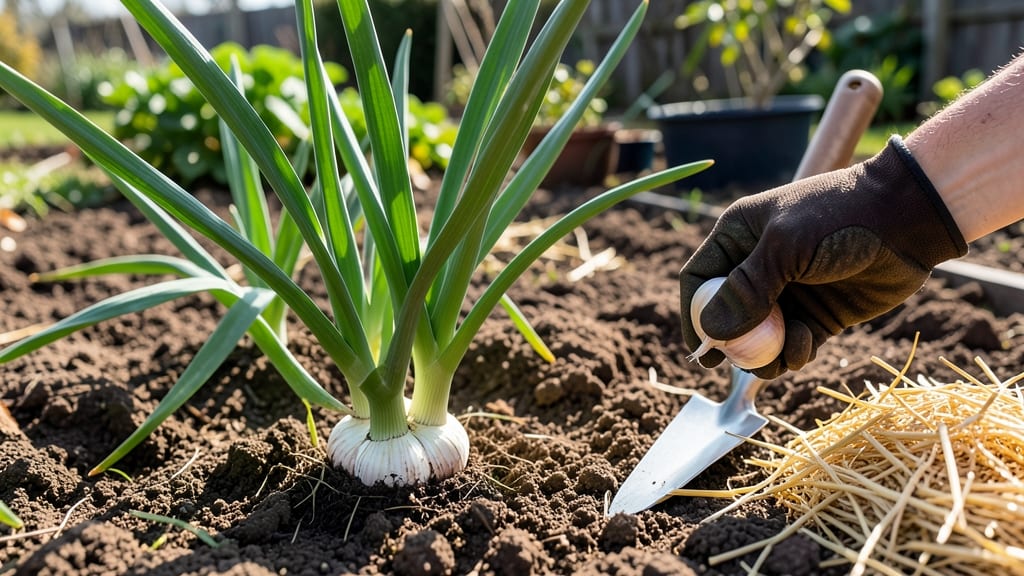
If you’ve ever wondered when to plant garlic in MN without guessing, you’re not alone—Minnesota’s unpredictable frost dates can turn a great harvest into a gamble. The key? Planting 🧄 garlic in late September to early October, when soil temps drop but before the ground freezes solid.
Why does timing matter so much? Because garlic needs 6-8 weeks to establish roots before winter dormancy kicks in. In Zone 4B-5A, that means aiming for a window where cloves can sprout but won’t rot in soggy soil or freeze before spring.
Miss it, and you risk stunted bulbs—or worse, no harvest at all.
I’ve tested the best strategies for MN’s climate, from soil prep to variety selection, so you don’t have to. Whether you’re a first-timer or a seasoned gardener, these tips will help you grow bold, flavorful garlic that’s ready to harvest by late June.
Let’s break down the exact steps to set you up for success.
Ready to skip the trial-and-error? Here’s how to nail your planting schedule, protect your cloves from harsh winters, and end up with the harvest of your dreams—no matter what Minnesota throws your way.
Optimal garlic planting dates in Minnesota (zone 4B-5A)
Timing is everything when planting garlic in Minnesota, where Zone 4B-5A winters demand precision. The ideal window spans late September through early October, giving cloves time to root before the ground freezes—typically 6-8 weeks before your last frost date.
This aligns with MN’s 150 frost-free days, ensuring bulbs mature by harvest season.
For hardneck varieties (like German Red or Chesnok Red), this timing is critical—they need cold stratification to form bulbs. Softneck varieties (like Silverskin) are more flexible but still thrive with early planting. Miss the window? Don’t panic—late October can work if soil temps stay above 40°F.
Here’s the golden rule: Plant when soil temps drop to 40-50°F but haven’t yet frozen. Use a soil thermometer to check—MN’s unpredictable fall can swing temps dramatically.
In southern MN (Zone 5A), you might squeeze in a November planting, but northern MN (Zone 4B) demands earlier action.
Pro tip: Mulch heavily (4-6 inches of straw or leaves) after planting to insulate cloves. This extends the planting window by 2-3 weeks and protects against late frosts that can heave bulbs out of the soil. Think of it as a winter blanket for your garlic.
🌱 Garlic Planting Timeline for MN (Zone 4B-5A)
| Stage | Action | Notes |
|---|---|---|
| Late September | Plant hardneck garlic | Soil temp: 40-50°F; pointy end up |
| Early October | Plant softneck garlic | More frost-tolerant; extend window |
| Mid-October | Apply 4-6" mulch | Straw or leaves; prevents heaving |
| November (Zone 5A only) | Late planting backup | Only if soil hasn’t frozen |
| Spring (April-May) | Remove mulch; fertilize lightly | Encourages foliage growth |
| Late June-Early July | Harvest garlic | When lower leaves brown |
If you’re a late starter, don’t stress—spring planting (March-April) is a viable backup, though bulbs may be smaller. The key is ensuring 60-70 days of warm soil before harvest.
For Zone 4B gardeners, prioritize hardneck varieties; they handle MN’s cold better and produce scaly scapes (a bonus treat!).
For urban gardeners with limited space, consider container planting in large pots (12"+ deep). Use a well-draining mix and plant in late September—just mimic the same soil temp rules. Containers warm up faster in spring, so monitor moisture closely during MN’s dry spells.
Remember: Garlic is a patience plant. The bulbs you tuck into the soil this fall won’t emerge until spring, but that 6-month wait pays off with bold, flavorful harvests you can’t get from store-bought.
Mark your calendar for October 1st—that’s your last safe bet before winter sets in.
🌱
Optimal garlic planting dates in Minnesota (zone 4B-5A)
Minnesota’s Zone 4B-5A climate demands precision when planting 🧄 garlic. The ideal window is late September through early October, giving cloves 6-8 weeks to root before winter dormancy. This timing ensures strong bulbs by harvest—typically late June to early July the following year.
Why this window? Soil temperatures must drop to 40-50°F to trigger dormancy, but not freeze solid. In MN, ground freezes by mid-to-late October, making early October the absolute cutoff. Planting too late risks cloves rotting in cold, wet soil.
For hardneck varieties (best for MN), aim for September 20–October 5. Softneck garlic can stretch to early November, but only in sheltered microclimates like southern MN or raised beds.
| Stage | Action | MN-Specific Tip |
|---|---|---|
| Soil Prep | Test pH (6.0–7.0) | Amend clay soil with compost |
| Planting Window | Late Sept–early Oct | Use 4-inch deep trenches |
| Mulch Layer | 4–6 inches straw | Add late October after hard frost |
| Spring Check | Remove mulch when sprouts appear | Watch for late frosts (April) |
Missed the fall window? Don’t panic. Spring planting is possible but risky—cloves must sprout by mid-May to mature before frost. Use smaller cloves (they grow faster) and plant 1 inch deeper than fall plantings.
Pro tip: Check MN’s frost dates via the MN State Climatology Office for your county. Southern MN (Zone 5A) can plant 2 weeks later than northern areas (Zone 4B). Adjust mulch thickness accordingly—thicker in Zone 4B.
Timing isn’t just about dates—it’s about soil temperature and climate resilience. With these adjustments, your 🧄 garlic will thrive even in MN’s toughest winters. 🌱