
Plants
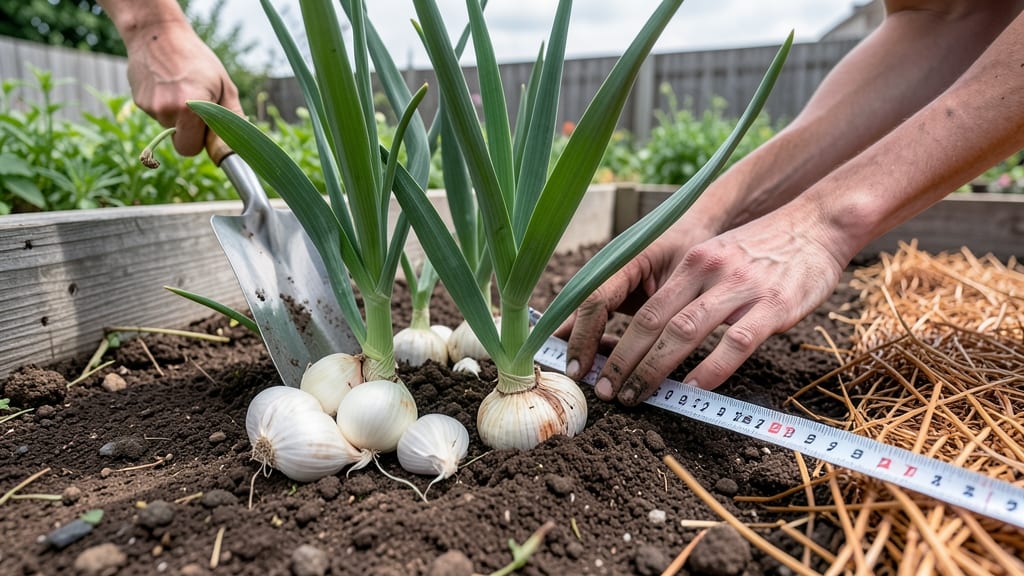
Timing your garlic planting in Ohio spring can mean the difference between robust, flavorful bulbs and disappointing harvests. If you've ever wondered why some gardeners swear by fall planting while others swear by spring, the answer lies in Ohio's unique climate and the hardy nature of 🧄.
For Ohio gardeners in USDA Zone 6a, the ideal window stretches from late February through early March, when soil temperatures hover just above freezing. This cold-hardy period gives garlic roots time to establish before the growing season kicks in.
Plant too early, and you risk rot; too late, and you might miss the optimal bulb-development window.
Whether you're growing hardneck varieties for their bold flavor or softneck for storage, understanding these nuances is key. I'll break down exactly when to plant, how to prep your soil, and what to watch for to ensure your garlic thrives—no guesswork required.
Let’s dive into the specifics so you can confidently plant your garlic and enjoy a bountiful harvest come July or August. The secret to success starts with the right timing, and I’ve got you covered.
Best planting windows for Ohio garlic: fall vs. spring timing
Ohio’s USDA Zone 6a climate creates a unique opportunity for garlic growers. While many gardeners focus on fall planting, spring planting is absolutely viable—and often more convenient—if you follow the right timing. The key is understanding when soil temperatures and frost patterns align with garlic’s cold-hardy nature.
For spring planting in Ohio, aim for late February through early March. This window gives garlic cloves time to sprout before the ground warms too much. Planting too early (like January) risks rot in soggy soil, while waiting until April may delay bulb development.
Garlic thrives when soil temperatures stay between 40°F and 50°F at planting. In Ohio, this typically occurs in early spring as the ground thaws. Use a soil thermometer to confirm—this small investment prevents costly mistakes.
Fall planting (October–November) often yields larger bulbs because garlic grows through winter’s chill, but spring planting can still produce excellent results if you plant early enough. The trade-off? Spring-planted garlic may mature slightly later but avoids overwintering risks.
| Planting Window | Soil Temp | Frost Risk | Bulb Size Potential |
|---|---|---|---|
| Late February–Early March | 40°F–50°F | Low (post-winter thaw) | Good (6–8 inches) |
| October–November | 50°F–60°F | High (overwintering) | Excellent (8–10 inches) |
| April (Too Late) | 60°F+ | None | Poor (small bulbs) |
Hardneck varieties (like ‘Music’ or ‘German White’) are ideal for Ohio’s climate, as they thrive in cold winters. Softneck varieties (like ‘Artichoke’) can also work but may struggle with late frosts. Choose hardnecks for better flavor and adaptability.
Pro tip: Mark your calendar for April 15—Ohio’s average last frost date. Plant garlic at least 6 weeks before this date to ensure roots establish before summer heat sets in. This timing maximizes bulb development before harvest.
If you miss the spring window, don’t panic—fall planting is still an option. Just adjust your schedule to plant 4–6 weeks before the first frost (around October 15 in Ohio). The goal is to give garlic enough time to root before winter dormancy begins.
Remember, garlic is a cool-season crop. It grows best when days are shorter and temperatures are mild. Planting in Ohio’s spring means balancing early growth with the need to avoid summer’s intense heat, which can stress the plant.
For the best results, pair your planting with proper soil preparation—we’ll cover that in the next section. But timing is your first critical step, and now you’ve got the exact windows to aim for in Ohio’s spring garden.
Best planting windows for Ohio garlic: fall vs. spring timing
Ohio’s USDA Zone 6a climate creates a unique opportunity for garlic growers. While many gardeners focus on fall planting, spring planting is also viable—and often more convenient for beginners. The key difference lies in soil temperatures and frost timing.
For spring planting, aim for late February to early March, when soil temps are consistently above 40°F (4°C) but haven’t yet warmed beyond 50°F (10°C). This window ensures roots establish before the rush of spring growth.
Fall planting, typically October to November, yields larger bulbs because garlic grows during winter’s cold months. However, spring planting still produces quality harvests if timed correctly. The trade-off? Spring-planted garlic may mature slightly later but avoids the risk of winter heaving or rot if planted too early in fall.
Here’s the critical factor: Ohio’s average first frost date is October 15, while the last frost typically arrives April 15. Planting garlic in spring means you’ll have a shorter growing season, but with proper care, you can still achieve 70–80% of a fall-planted yield.
The secret is choosing the right hardneck varieties, which thrive in Ohio’s climate and adapt better to shorter seasons.
🌱
| Factor | Fall Planting (Oct–Nov) | Spring Planting (Feb–Mar) |
|---|---|---|
| Soil Temp | 40–50°F (4–10°C) | 40–50°F (4–10°C) |
| Growing Season | Winter to summer | Spring to summer |
| Bulb Size | Larger (60–80 cloves) | Smaller (40–60 cloves) |
| Risk of Heaving | High if planted too late | Low (no winter stress) |
| Best Varieties | Hardneck (e.g., Music, German Red) | Softneck (e.g., Silverskin) or early hardneck |
If you’re planting in spring, prioritize well-draining soil and full sun exposure. Ohio’s unpredictable weather means you’ll need to monitor soil moisture closely—garlic roots are sensitive to both drought and waterlogging.
Start with large cloves (size of a golf ball) for better establishment, and space them 4–6 inches apart in rows 12 inches apart.
For those who prefer fall planting, mark your calendar for late October—this gives garlic enough time to root before winter sets in. Use mulch (straw or leaves) to insulate bulbs and prevent heaving.
Both methods work, but spring planting offers flexibility if you missed the fall window or want to experiment with different varieties.
🌿