
Plants
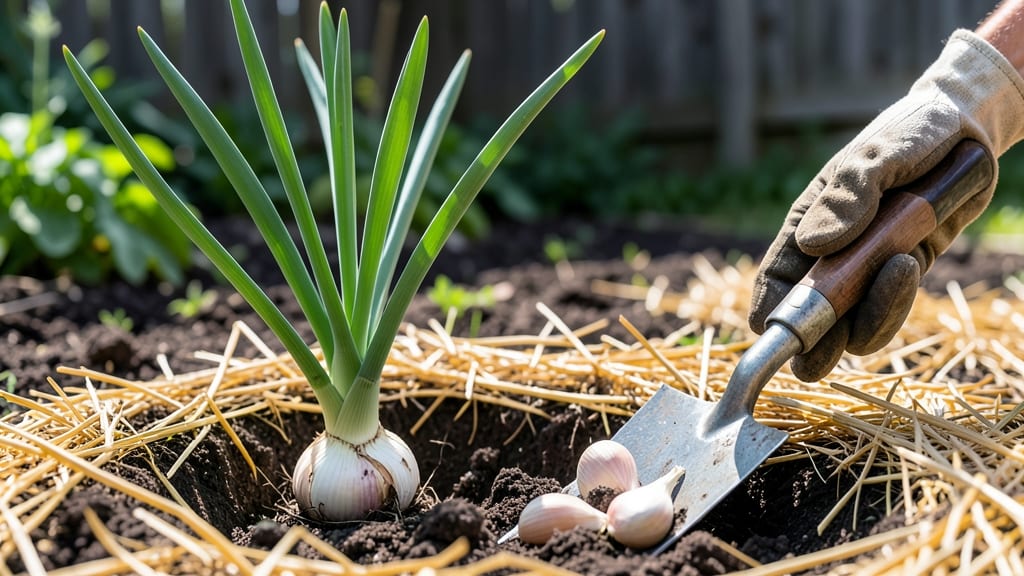
Planting garlic in Phoenix isn’t just about timing—it’s about beating the desert’s brutal heat before it turns your cloves into crispy failures. The 4-6 week window between October and December is your golden opportunity to grow 🧄 that thrives, not wilts.
Here’s the kicker: Phoenix’s 9b climate means no frost to signal planting season, so you’ve got to rely on temperature cues instead. Too late, and your garlic will bolt in the summer sun; too early, and it won’t get the cold snap it needs to form bulbs.
I’ll show you exactly how to nail that sweet spot—no guesswork, just proven results.
Whether you’re a first-timer or a seasoned gardener, this guide cuts through the confusion. We’ll cover soil prep, variety picks (hardneck vs. softneck), and how to adjust for Phoenix’s microclimates—from the Valley’s heat islands to higher elevations where nights stay cooler. Let’s get your garlic off to the right start.
Skip the trial-and-error: I’ll walk you through every step, so you can plant with confidence and harvest plump, flavorful bulbs by next spring. Ready to turn your backyard into a garlic powerhouse? Let’s dig in.
Best months to plant garlic in Phoenix’s desert climate
Garlic thrives in cool temperatures and Phoenix’s winter months are your best bet for a successful harvest. The ideal window is from late October through December, when daytime temps hover between 60°F and 75°F—perfect for root establishment before summer heat arrives.
Garlic needs 60-80 days of cold exposure (below 50°F) to form bulbs. Phoenix rarely drops below this, but planting in October or November gives your garlic the longest possible cool season. Avoid planting after January, as spring warmth accelerates growth without proper bulb development.
Moon phases also play a role. Planting during the waning moon (after the full moon) encourages root growth and bulb formation. Check lunar calendars for Phoenix’s desert skies—aim for the last quarter moon in November for optimal results.
For hardneck garlic varieties (like ‘Silverskin’ or ‘German White’), plant by mid-November to ensure scapes form next spring. Softneck varieties (‘Artichoke’) are more forgiving and can handle December plantings but may yield smaller bulbs.
Use individual cloves from a bulb, planted 2 inches deep and 4 inches apart. Phoenix’s sandy soil drains quickly, so mix in compost to retain moisture. Mulch with straw or leaves to protect cloves from temperature swings between day and night.
If you miss the ideal window, try shade cloth or cooling techniques (like drip irrigation) to extend the season. However, January plantings often result in poor bulb formation due to early spring warmth.
Monitor soil temps with a soil thermometer. Garlic roots struggle below 40°F or above 80°F. Phoenix’s desert nights can drop quickly—aim for 50°F–60°F for best results.
Harvest time in Phoenix typically falls between April and June, when lower leaves yellow but upper leaves stay green. Don’t wait too long—overripe garlic splits and spoils in the heat.
Pro tip: Label your rows! Hardneck vs. softneck varieties have different harvest times, and Phoenix’s heat can blur the lines if you’re not careful.
Best months to plant garlic in Phoenix’s desert climate
Phoenix’s USDA Zone 9b climate means no frost to signal garlic planting season, so you’ll need to rely on temperature cues instead.
The ideal window is October through December, when daytime highs hover between 70°F and 85°F—cool enough for cloves to root but warm enough to avoid winter dormancy. Planting too late risks summer bolting (premature flowering), while planting too early may stunt bulb development.
Garlic thrives on cold exposure (40°F–50°F nights) to trigger bulb formation, which Phoenix rarely sees. That’s why timing is everything: aim for 4–6 weeks before ground temps drop below 70°F.
In Phoenix, this typically lands in late October to mid-November for peak results. Pro tip: Check soil temps with a soil thermometer—ideal planting temps are 50°F–60°F.
Moon phases also play a role in garlic’s success. Planting during a waxing moon (when the moon is growing) encourages root development, while a waning moon can lead to leggy, weak plants.
For Phoenix gardeners, this means scheduling your planting for October’s waxing moon (around October 10–20) or November’s waxing moon (around November 8–18) for optimal growth.
| Month | Temperature Range | Moon Phase | Notes |
|---|---|---|---|
| October | 70°F–85°F (day) / 55°F–65°F (night) | Waxing moon (Oct 10–20) | Best for early plantings; soil still warm |
| November | 60°F–75°F (day) / 45°F–55°F (night) | Waxing moon (Nov 8–18) | Ideal for most Phoenix gardeners; cooler nights |
| December | 55°F–70°F (day) / 40°F–50°F (night) | Waning moon (Dec 7–17) | Risk of winter dormancy; plant only if soil stays above 50°F |
Hardneck garlic varieties (like ‘German White’ or ‘Silverskin’) are better suited for Phoenix’s climate because they tolerate heat slightly better than softneck varieties. However, they still need cool nights to form bulbs.
If you’re in a warmer microclimate (like urban Phoenix), opt for softneck varieties (e.g., ‘Artichoke’), which store longer but require precise timing.
For container growers, extend your planting window by using black plastic mulch to warm the soil in early October or shade cloth to cool it in late December. This lets you plant up to 2 weeks earlier or later than the ideal window.
Just monitor soil temps closely—garlic cloves won’t sprout if the ground is too cold (below 40°F) or too hot (above 90°F).
Remember: Garlic planted in Phoenix won’t mature until April–June, so start early to avoid summer heat stress. With the right timing, you’ll harvest plump, flavorful bulbs just as the desert heats up—no wilting in sight! 🌱