
Plants
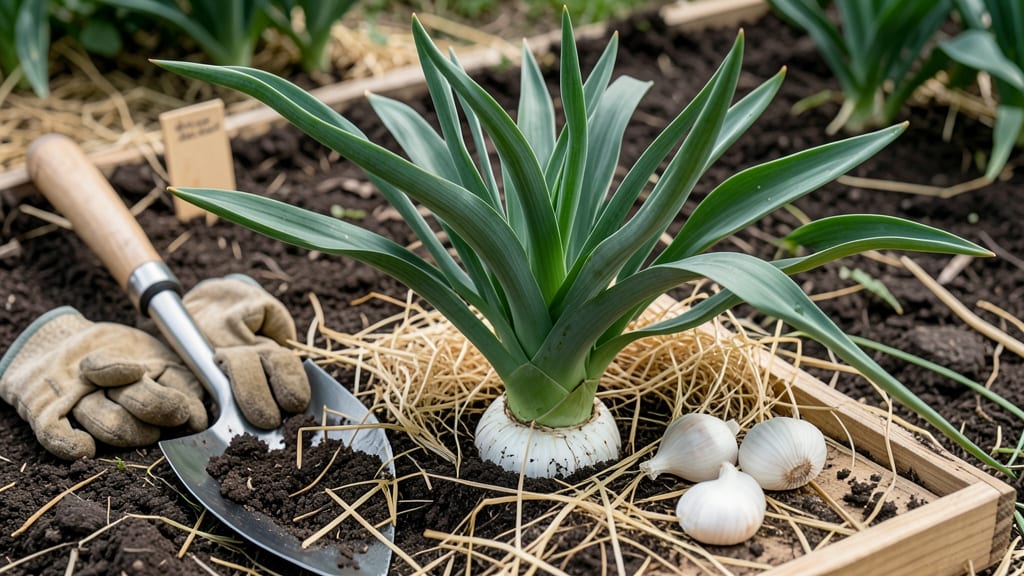
Timing is everything when it comes to growing 🧄 garlic in Vermont—plant too early, and you risk rot; too late, and your harvest suffers. The key to plump, flavorful bulbs lies in understanding your zone (5b-6a) and Vermont’s fickle fall weather.
Most gardeners swear by mid-to-late October as the sweet spot, but hardneck varieties (like ‘German White’) need extra time to establish roots before winter sets in. Softneck garlic, while more forgiving, still benefits from planting 6–8 weeks before the first hard frost—usually by early November.
Don’t stress if your schedule doesn’t align perfectly—this guide breaks down exactly how to adjust for Vermont’s microclimates, from rocky soil to early freezes. You’ll learn which varieties thrive here and how to prep your beds for a more efficient harvest next summer.
Ready to grow garlic that’s bigger, stronger, and more flavorful than store-bought? Let’s dive into the exact steps to plant for success in your Vermont garden.
Best planting months for Vermont garlic by variety (hardneck vs softneck)
Vermont’s USDA Zones 4-5 mean garlic must be planted early enough to establish roots before winter, but not so late that cloves rot in cold, wet soil. The key is timing between mid-September and mid-November, with hardneck and softneck varieties having slightly different windows.
For hardneck garlic (the best choice for Vermont), aim for late October to early November—this gives bulbs enough time to root before the ground freezes.
Softneck varieties, while popular in warmer climates, struggle in Vermont’s harsh winters. If you choose them, plant by early October and protect beds with heavy mulch or row covers. But hardneck garlic—like ‘German White’ or ‘Music’—thrives in Vermont’s cold and produces larger bulbs with flavorful scapes.
Here’s the golden rule: Plant garlic 4–6 weeks before the ground freezes (typically mid-November in Vermont). Use your last average frost date as a guide—most Vermont gardeners plant between October 15 and November 10 for optimal success.
Soil temperature matters too. Garlic cloves need soil between 40°F and 50°F to sprout successfully. In Vermont, this usually aligns with late October, but watch for early freezes—if temperatures drop below 32°F, cover beds with straw or leaves to protect emerging shoots.
Hardneck vs. Softneck Garlic Planting in Vermont
| Variety | Best Planting Window | Soil Temp for Sprouting | Vermont Adaptability |
|---|---|---|---|
| Hardneck (e.g., 'German White', 'Music') | Late October – Early November | 40°F–50°F | Excellent (cold-hardy, large bulbs) |
| Softneck (e.g., 'Silverskin', 'Artichoke') | Early September – Early October | 45°F–55°F | Poor (needs winter protection) |
Hardneck garlic is the clear winner for Vermont’s climate!
Why does hardneck garlic outperform softneck in Vermont? It’s built for cold. Hardneck varieties develop harder outer skins and larger cloves when exposed to Vermont’s winter chills. Plus, they produce scape shoots in summer, which you can harvest for extra flavor—softneck garlic doesn’t do this.
If you miss the ideal window, don’t panic. You can plant garlic as late as early December, but success drops dramatically. Cloves planted in December may still sprout in spring, but bulbs will be smaller and less flavorful.
For best results, stick to the October–November window and focus on hardneck varieties.
Pro tip: Use organic matter-rich soil and well-draining beds to give garlic a head start. Vermont’s clay-heavy soils in many areas can cause rot, so amend with compost or sand before planting. Mulch heavily with straw or leaves after planting to insulate bulbs through winter.
Remember, garlic planted in Vermont’s Zone 4-5 needs 10–12 months to mature. Hardneck varieties planted in October will be ready to harvest in mid-July of the following year, while softneck (if attempted) may not survive the winter at all. Choose wisely!
For a foolproof harvest, mark your calendar for October 15–November 1 and stock up on hardneck garlic cloves. Your future self—and your taste buds—will thank you.
Best planting months for Vermont garlic by variety (hardneck vs softneck)
Vermont’s Zone 4-5 climate creates a tight window for planting garlic, but knowing the difference between hardneck and softneck varieties can mean the difference between a thriving crop and a failed harvest.
Hardneck garlic, the preferred choice for Vermont gardeners, needs 6–8 weeks of cool weather to establish roots before winter sets in.
For most of Vermont, this means planting hardneck garlic between mid-October and early November. Softneck varieties, while less common in cold climates, can tolerate slightly later planting—aim for late September to mid-October if you prefer their longer storage life.
The key is aligning your planting with Vermont’s first hard frost date, typically around mid-November.
| Variety | Ideal Planting Window | Soil Temp Threshold | Frost Consideration |
|---|---|---|---|
| Hardneck Garlic | Mid-October to early November | 40–50°F (4–10°C) | Plant 6–8 weeks before first hard frost |
| Softneck Garlic | Late September to mid-October | 50–60°F (10–15°C) | Plant 4–6 weeks before first hard frost |
| Elephant Garlic | Late September to early October | 45–55°F (7–13°C) | Plant 8–10 weeks before first hard frost |
Hardneck garlic, like ‘German White’ or ‘Chesnok Red’, thrives in Vermont’s cold winters and produces flavorful cloves with edible scapes. The trick is planting when soil temperatures drop below 50°F (10°C), signaling the garlic to focus on root growth rather than top growth.
Use a soil thermometer to check—this is non-negotiable for success.
If you miss the ideal window, don’t panic. Vermont’s microclimates can shift planting dates by 1–2 weeks depending on elevation. Higher elevations (like the Northeast Kingdom) may need garlic in the ground by late September, while lower areas (like the Champlain Valley) can wait until early November.
Always adjust based on your last frost date.
For a foolproof approach, mark your calendar for October 15th as your target date. This gives you flexibility to plant earlier if Vermont’s falls are unusually warm or delay slightly if early frosts arrive.
Pair this with well-draining soil and a thick layer of mulch, and you’ll be set for a bountiful harvest next July.
Pro tip: Break apart garlic bulbs into individual cloves and plant the largest ones—they’ll produce the biggest bulbs. Save the smaller cloves for next year’s crop or for cooking. 🌱