
Plants
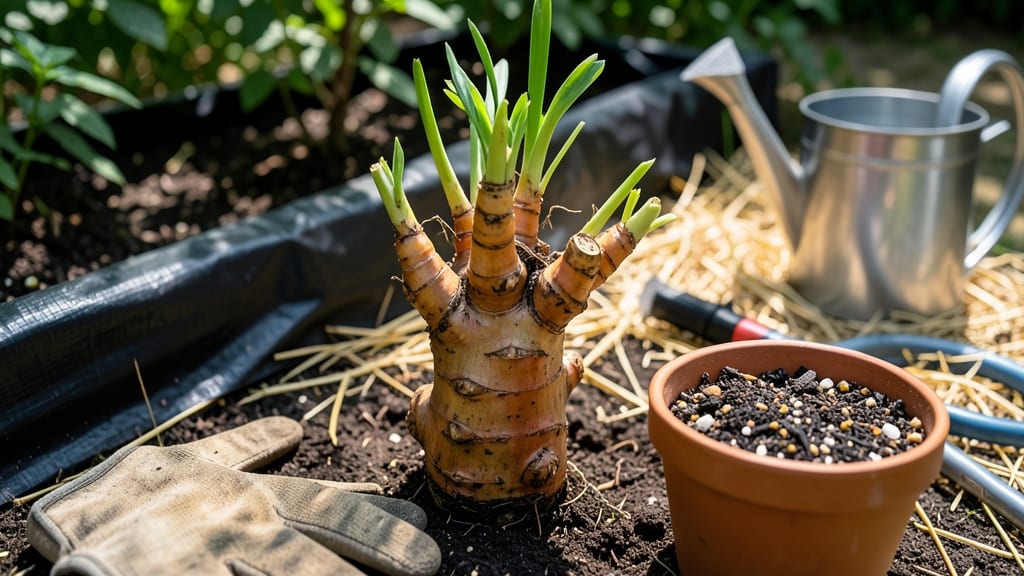
Timing your ginger planting in California isn’t just about the calendar—it’s about mastering the state’s wild climate swings. Whether you’re in foggy coastal zones or scorching desert valleys, getting those rhizomes in the ground at the right moment means the difference between a thriving harvest and a sad, wilted disappointment.
I’ve grown ginger in USDA zones 9-11 (yes, even the desert!) and learned the hard way that planting too early in inland areas can fry your rhizomes before they sprout, while waiting too long in coastal zones risks stunted growth.
The key? Understanding your microclimate’s quirks—like how coastal fog keeps soil cool longer than inland valleys.
In this guide, I’ll break down the exact weeks to plant by region, from pre-sprouting tricks for early starts to container gardening hacks for cooler pockets.
You’ll also discover how to spot (and fix) the telltale signs your timing is off—because even the best-laid plans can go sideways when Mother Nature throws a curveball.
Ready to grow plump, flavorful ginger that rivals the grocery store? Let’s dive into the microclimate-specific strategies that’ll have you harvesting in 9-12 months—no guesswork required.
California microclimate planting zones for ginger (with exact weeks)
Ginger thrives in California’s mild coastal climates but struggles in extreme desert heat or frost-prone inland valleys. The key to success? Planting during the optimal 4–6 week window when soil temperatures stay between 60–75°F and frost risks vanish. Let’s break down the exact planting weeks for your region.
California’s USDA zones 9–11 create dramatic differences in growing conditions. Coastal areas like San Francisco and Santa Barbara enjoy year-round growing, while Central Valley and desert zones need precise timing to avoid summer dormancy. Here’s how to align your planting with your microclimate.
For coastal gardeners, ginger can be planted year-round thanks to consistent temperatures and fog protection. However, January–March offers the best balance of moisture and warmth, ensuring rhizomes establish before summer’s dry spells.
Think of it as a slow-and-steady approach—ginger prefers to grow when it’s not stressed by heat or drought.
Inland Central Valley gardeners should focus on October–December planting. This timing lets rhizomes root before winter chill sets in. Even though frost is rare, temperatures below 50°F can stunt growth. Use black plastic mulch to keep soil warm and protect young plants from unexpected cold snaps.
Southern desert regions demand a different strategy: plant in late summer (August–September) to avoid the scorching 100°F+ temperatures of peak summer. Ginger’s tropical roots hate extreme heat, so providing afternoon shade and deep watering is critical.
Container growing is also ideal here—you can move pots to cooler spots during heatwaves.
Pro tip: Pre-sprout your rhizomes indoors 2–3 weeks before planting. Place a whole ginger root (with buds) in a moist paper towel and keep it in a warm, dark spot until sprouts appear.
This jumpstarts growth and gives you a head start in cooler climates. It’s like giving your ginger a warm bath before the big outdoor swim!
Soil temperature is your secret weapon. Use a soil thermometer to confirm 60–75°F before planting. If it’s cooler, wait—ginger won’t sprout in cold soil. For container growers, this means monitoring your pots closely, as they heat up and cool down faster than in-ground soil.
Remember, ginger is a patient plant. Even with perfect timing, it takes 9–12 months to harvest plump rhizomes. But by aligning your planting with your local microclimate, you’ll avoid the common pitfalls of stunted growth or failed crops.
Next, we’ll cover how to extend ginger’s growing season in California’s trickiest climates!
How to extend ginger’s growing season in California’s harsh climates
California’s climate can be a double-edged sword for ginger: too much heat in inland zones, or unexpected chills in coastal valleys. But with the right tricks, you can extend the growing season and protect your rhizomes from both extremes.
I’ve grown ginger in USDA zones 9-11 using these proven methods—some of which saved my plants during unexpected heatwaves and coastal fog bursts.
The key is microclimate control. Whether you’re battling 100°F desert heat or coastal fog delays, these strategies will keep your ginger thriving year-round. Let’s break down the most effective tactics, from simple mulching to high-tech row covers.
🌱 Extend Your Ginger’s Growing Season With These Pro Tips
- 1. Pre-Sprout Rhizomes Indoors: Start your rhizomes 4–6 weeks before outdoor planting. Place them in a moist paper towel in a warm spot (70–80°F) until sprouts appear. This gives you a 2-week head start in cooler zones.
- 2. Use Row Covers for Early/Fall Planting: Lightweight row covers protect against late spring frosts (rare but possible in high deserts) and heat stress. Remove during the day in summer to prevent overheating.
- 3. Mulch Heavily for Temperature Control: Apply a 4-inch layer of straw or wood chips to retain soil moisture and moderate temperatures. In desert zones, mulch keeps roots 10–15°F cooler during peak heat.
- 4. Plant in Containers for Flexibility: Use 5-gallon pots to move ginger indoors during extreme heat or outdoors during mild winters. Coastal gardeners can overwinter pots in a sunroom or garage.
- 5. Adjust Planting Depth: In hot inland zones, plant rhizomes 3 inches deep to shield them from surface heat. In coastal areas, 2 inches deep suffices for quicker sprouting.
- 6. Drip Irrigation for Consistent Moisture: Ginger roots despise drying out. A drip system delivers water directly to the soil, reducing stress from California’s unpredictable rains.
- 7. Shade Cloth for Summer Protection: In desert zones, use 30–50% shade cloth during peak sun (11 AM–3 PM) to prevent leaf scorch. Coastal gardeners can skip this in foggy areas.
One of my biggest lessons? Don’t underestimate mulch. In my first attempt at growing ginger in the Central Valley, I skipped mulching, and my plants nearly baked in 95°F soil.
After adding a thick layer of straw, the rhizomes thrived—even during 105°F days. Mulch isn’t just for moisture; it’s a temperature regulator.
For coastal gardeners, row covers are a game-changer. Last winter, a sudden 32°F dip in San Francisco threatened my ginger. A simple floating row cover saved the day, allowing sunlight while trapping warmth. Remove it by 10 AM to prevent overheating.
Container growing is another lifesaver. I’ve kept ginger alive in USDA zone 9b during heatwaves by moving pots to a shaded patio. The secret? Terracotta pots—they breathe better than plastic, preventing root rot in California’s variable humidity.
Pro tip: If you’re in a desert climate, avoid planting in July or August. The soil can hit 120°F, cooking your rhizomes before they sprout. Instead, aim for early spring (March) or fall (October) when temperatures are milder.