
Plants
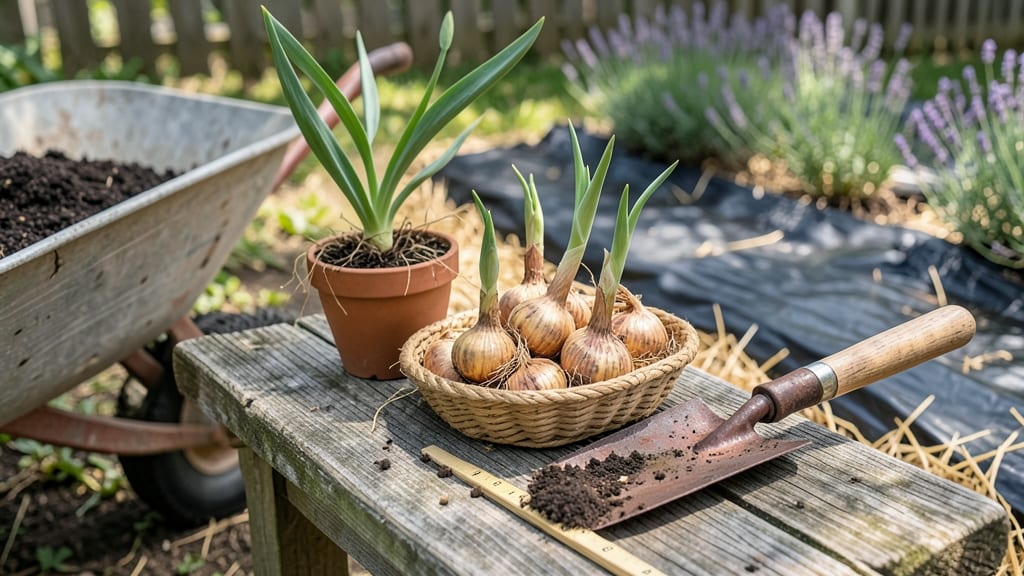
Planting gladiolus bulbs in Chicago at the wrong time can mean the difference between showstopping summer blooms and wasted corms. With Zone 5's unpredictable frost dates and Lake Michigan's cooling effects, timing these 🌸 beauties just right is your ticket to vibrant flowers that thrive from July through September.
Most gardeners in Chicago wait until mid-April to early May, but that’s not always the best approach. The key is planting after the last frost—typically around April 20–May 10—when soil temperatures hit at least 55°F.
Too early, and your glads may rot; too late, and they’ll struggle to establish roots before summer heat arrives.
I’ve seen firsthand how a few weeks can make or break a gladiolus season. Whether you’re a first-time gardener or a veteran with a green thumb, this guide will help you navigate Chicago’s tricky planting window with confidence.
Let’s get those bulbs in the ground at the perfect moment for bold, long-lasting blooms.
From soil prep to post-planting care, we’ll cover everything you need to know to ensure your glads thrive from spring to fall. No more guessing games—just a foolproof schedule tailored to Chicago’s climate. Ready to transform your garden into a summer spectacle?
Chicago’s gladiolus planting timeline: exact dates by frost risk (Zone 5 guide)
Gladiolus bulbs—called corms—thrive in Chicago’s Zone 5-6 climate when planted after the last frost, but the city’s microclimates (Lake Michigan vs. inland) create a 10-day window of uncertainty.
The average last frost date hovers around April 20–May 10, but late freezes can push that back to May 15, especially in northern suburbs like Evanston or western areas like Aurora.
For showstopping summer blooms, aim to plant 2–4 weeks after your local last frost date. This gives soil time to warm to 55°F+, the minimum temperature gladiolus corms need to sprout consistently.
In southern Chicago (e.g., Bridgeport), you might plant as early as mid-April, while north/south suburbs should wait until late April to early May.
Here’s your Chicago-specific planting timeline to avoid frost damage or premature bolting:
| Planting Window | Soil Temp | Last Frost Risk | Action |
|---|---|---|---|
| Mid-April | 45–50°F | High (30% chance) | Risky—only for southern Chicago with cold frames. |
| Late April | 50–55°F | Moderate (15% chance) | Ideal for most Zone 5 areas. |
| Early May | 55–60°F | Low (5% chance) | Best for northern suburbs or late freezes. |
| Mid-May | 60°F+ | None | Still viable for fall blooms with heat-tolerant varieties. |
Use a soil thermometer to confirm 55°F+ at 4-inch depth—this is your green light to plant. In Lake Michigan-adjacent areas (e.g., Rogers Park), soil warms faster due to lake-effect heating, so you can plant 7–10 days earlier than inland zones.
For container gardening, warm soil faster by using black pots or placing containers on dark mulch. This can shave 3–5 days off your planting timeline, especially in urban heat islands like West Loop.
If you’re hardening off corms (pre-chilling to simulate winter), plant 1 week earlier than the timeline above. Soak corms in lukewarm water for 24 hours before planting to jumpstart sprouting in cooler soil.
Pro tip: Mark your last frost date on your calendar using Almanac’s Chicago frost calculator. Then, plant gladiolus corms 21–28 days later to align with peak bloom timing (July–September).
For extended-season blooms, stagger plantings every 2 weeks from late April to mid-June. This creates a nonstop floral display from July through October.
🌸
5 Signs your Chicago gladiolus planting is too early (and how to fix it)
Planting gladiolus bulbs too early in Chicago’s Zone 5 climate can turn your corms into a soggy mess. The 55°F soil temperature threshold is critical—below this, bulbs risk rotting before they sprout.
I’ve seen gardeners rush planting in March only to watch their glads fail to thrive. Let’s uncover the warning signs and how to salvage your bulbs if you’ve already planted too soon.
First, check for soft or mushy corms when you dig them up. Healthy gladiolus corms should feel firm like a small potato. If they’re squishy or smell foul, they’ve already started rotting from cold, wet soil.
This is your body telling you the soil was too cold for too long. Another red flag is mold or fungus on the corms or surrounding soil—this thrives in damp, chilly conditions.
🚨 Warning: Early Planting Risks
- 🌱 Soft, mushy corms – Sign of rot from cold soil
- 🍄 White mold/fungus – Thrives in damp, chilly conditions
- 🌡️ Soil below 55°F – Bulbs won’t sprout properly
- 🌱 Slow or no sprouts – Roots won’t establish in cold
- 🌬️ Heaving soil – Freeze/thaw cycles push bulbs too close to surface
Fix it:
Wait until soil is consistently 55°F+ (use a soil thermometer). If bulbs are already planted, cover with 3–4 inches of mulch to insulate them until warmer weather arrives.
Heaving soil is another classic sign of early planting. Chicago’s freeze-thaw cycles can push bulbs too close to the surface, leaving them vulnerable to frost damage. If you see soil mounds where your glads were planted, your corms may be exposed.
To fix this, gently replant affected bulbs 4–6 inches deep once the ground warms up.
If you’ve spotted yellowing or wilting leaves on newly sprouted glads, it’s a sign the plant is struggling to establish roots in cold soil. This stress weakens the plant, making it more susceptible to pests and diseases.
To help, water deeply but infrequently (once a week) and avoid fertilizing until the soil warms up.
For gardeners who’ve already planted too early, don’t despair! Use a cold frame or row cover to create a microclimate that warms up faster. These protective covers can add 5–10°F to soil temperature, giving your glads a better chance to establish roots before summer heat arrives.
Just remove the cover once the last frost has passed to avoid overheating.
Finally, if your glads are still in storage, wait for mid-April to early May—the ideal planting window in Chicago. Use a soil thermometer to confirm temperatures are above 55°F before planting. Patience now means bold, healthy blooms later in the season.