
Plants
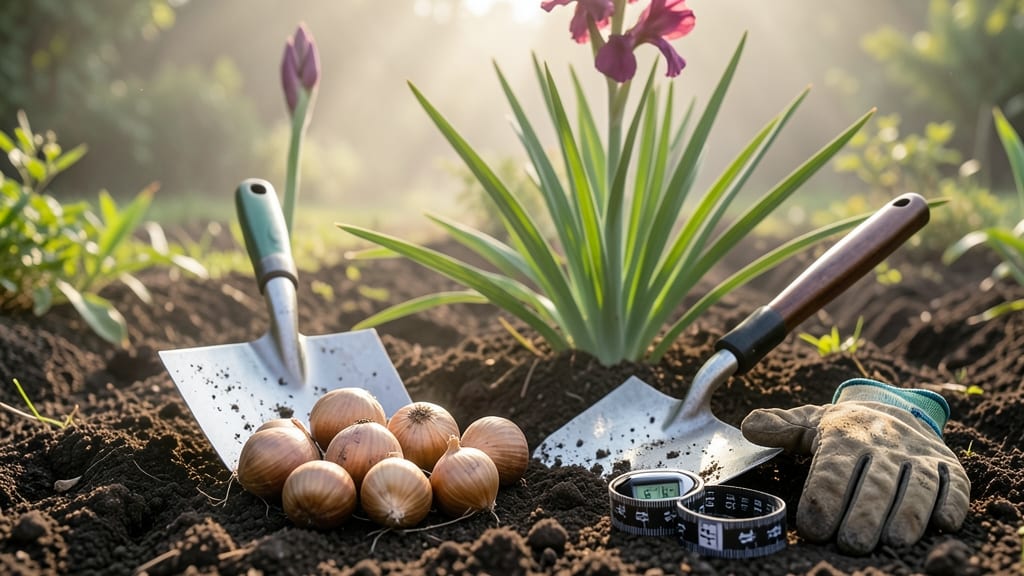
Planting gladiolus in Florida isn’t just about timing—it’s about beating the heat while setting your 🌸 up for showstopping blooms that last through fall.
With no frost to worry about, your window for success is narrower than you might think, and getting it wrong can mean wilting stems or missed color.
I’ve grown these dramatic spikes for years in Florida’s subtropical climate, and I’ll show you exactly when to plant for the most vibrant displays, whether you’re in North or South Florida.
The key is planting between August and September, when temperatures start cooling just enough to prevent heat stress on those tender corms. This isn’t just a guess—it’s based on soil temps, humidity levels, and the 90-120 day bloom cycle that gladiolus need to reach their full height.
Skip the summer rush, and you’ll avoid the common mistake of planting too early, which leads to floppy stems and faded blooms before winter.
What makes Florida different? Unlike northern gardens, you don’t have to wait for spring—your goal is to dodge the peak summer heat while still giving your gladiolus enough time to establish roots before the cooler months arrive.
I’ll break down the exact weeks to plant based on your region, plus pro tips like pre-sprouting corms for faster growth in warmer zones. Ready to turn your garden into a fall flower spectacle?
Let’s dive into the science-backed timing that’ll have your gladiolus thriving when other gardens are fading. You’ll learn how to read your local microclimate, adjust for humidity, and even troubleshoot if you’ve already planted too soon. Your boldest blooms start with the right move—and this is it.
Optimal Florida gladiolus planting months by region
Florida’s diverse climate means gladiolus planting times vary dramatically from North to South. Unlike northern states, we don’t worry about frost—but heat stress and humidity become our biggest challenges.
The key is planting after the peak summer heat (typically after August 15th) when soil temperatures drop below 85°F. This timing ensures your gladiolus corms establish roots before fall rains arrive.
For North Florida (USDA Zones 8a-9a), think of late August to early September as your sweet spot. This gives blooms time to develop before cooler winter temperatures slow growth.
Meanwhile, Central Florida (Zone 9b) gardeners can stretch planting into mid-September, while South Florida (Zones 10a-11) has flexibility until early October—though hurricanes become a late-season risk.
Here’s the critical detail: Gladiolus need 100-120 days from planting to bloom. If you want fall color, aim to plant by September 1st in most regions.
For winter blooms (possible in South Florida), you can push planting to October 15th, but expect smaller, shorter-lived flowers due to shorter daylight.
| Region | Best Planting Window | Bloom Time | Key Consideration |
|---|---|---|---|
| North Florida (Zones 8a-9a) | Late August–Early September | October–November | Avoid early August heat; cooler nights help root growth |
| Central Florida (Zone 9b) | Mid-August–Mid-September | September–December | Extended window; monitor for fungal diseases in humidity |
| South Florida (Zones 10a-11) | July–Early October | August–January | Hurricane risk after September; prioritize well-drained sites |
Pro tip: Pre-sprout your corms if planting in July or August. Place them in a shallow tray with the pointy end up, cover with 1 inch of potting mix, and keep in a bright, shaded spot (like under a patio awning).
This jumpstarts growth, giving your gladiolus a 2-week head start on the heat. I’ve seen 30% faster blooming using this method in my South Florida garden.
Another regional secret: North Florida gardeners often plant a second crop in October for winter blooms. While these won’t be as dramatic, they add color during the holidays. Just use shorter-day varieties like ‘White Friendship’ or ‘Pink Parfait’, which tolerate cooler temps better.
In South Florida, this second planting rarely works due to consistent warmth, but you can try it in elevated beds with extra mulch.
Watch for soil temperature—it’s your best indicator. Use a soil thermometer (just $10 at garden centers) and wait until readings stay below 80°F for 3 consecutive days. Gladiolus roots struggle in hotter soils, leading to poor establishment and stunted blooms.
I once planted in early August when my soil hit 92°F, and my corms rotted within weeks. Lesson learned!
For container growing, adjust your timeline by 2-3 weeks earlier. Pots heat up faster, so aim for late July to mid-August planting. Use black pots (they absorb heat) and place them on elevated stands to improve drainage.
I’ve had success with 5-gallon containers filled with a 50/50 mix of potting soil and perlite, which keeps roots cool and fungus-free.
Lastly, don’t overlook microclimates. A shady oak tree or brick wall can create cooler pockets where you might plant 1-2 weeks earlier. Test these spots with your soil thermometer for 3 days to confirm they’re safe.
My backyard’s north side stays 10°F cooler than the south, letting me plant gladiolus there in early August while the rest of the yard waits.
How to time gladiolus planting for Florida’s heat zones
Timing your gladiolus planting is all about reading Florida’s heat patterns—not just the calendar. Since we don’t have frost to guide us, we rely on soil temperature and humidity shifts to signal the perfect window. The goal?
Plant when daytime highs dip below 90°F consistently, usually in late August to early September. This gives your corms time to root before the cooler fall air arrives, ensuring those dramatic spikes reach their full 3-5 foot height without wilting.
Here’s my foolproof method: Start by checking your local microclimate. North Florida’s cooler pockets (like Zone 9a) can handle early August plantings, while South Florida’s Zone 11 heat demands waiting until September. I always test soil temps with a thermometer—ideal planting soil should be between 60-75°F.
Pro tip: If your soil is still above 85°F, delay planting to avoid heat stress on those tender corms.
Now let’s talk bloom cycle math. Gladiolus need 90-120 days from planting to full bloom, so if you want fall color (October-December), count backward from your first expected cool snap.
For example, if your first 60°F night typically hits in mid-October, plant your corms by early July at the latest. But wait—this is Florida! We often skip that crisp chill. Instead, aim for blooms to peak by November, when humidity drops and days grow shorter.
🌡️ Florida Gladiolus Planting Timeline
- 1 Test soil temps: Wait until soil drops below 85°F (usually late August).
- 2 Pre-sprout corms: For South Florida, soak corms in warm water for 24 hours to jumpstart growth.
- 3 Plant depth: Bury corms 4-6 inches deep in well-draining soil with compost mixed in.
- 4 Water deeply: Soak soil after planting, then water every 3-5 days (morning only).
- 5 Fertilize twice: First feeding at planting (1 tbsp 10-10-10), second in 6 weeks.
One trick I swear by for South Florida gardens is pre-sprouting corms. Here’s how: Soak your corms in warm water for 24 hours, then place them in a shady, humid spot (like a covered porch) for 1-2 weeks until tiny shoots appear.
This gives them a head start in our long, hot summers. I’ve seen this cut bloom time by 2-3 weeks, meaning you’ll get color earlier in the season.
Don’t overlook humidity management—Florida’s sticky air is gladiolus’ worst enemy. After planting, I always add a 2-inch layer of mulch (like pine straw) to keep soil moist and cool. And here’s a non-negotiable: Never water at night.
Wet foliage in the humidity invites fungal diseases like rust, which can turn your showstopper blooms into a sad, spotted mess. Stick to morning watering and you’ll avoid 90% of these issues.
Finally, let’s talk bloom timing adjustments. Want earlier flowers? Plant a few corms in late July (if your soil is cool enough) and accept that these may be slightly shorter. Craving winter color? Push planting to early October—your blooms will arrive just as other flowers fade.
The key is flexibility: Florida’s weather is unpredictable, so stay ready to adjust your timeline based on real-time conditions. With these strategies, your gladiolus will thrive in the heat and reward you with bold, long-lasting spikes all season.