
Plants
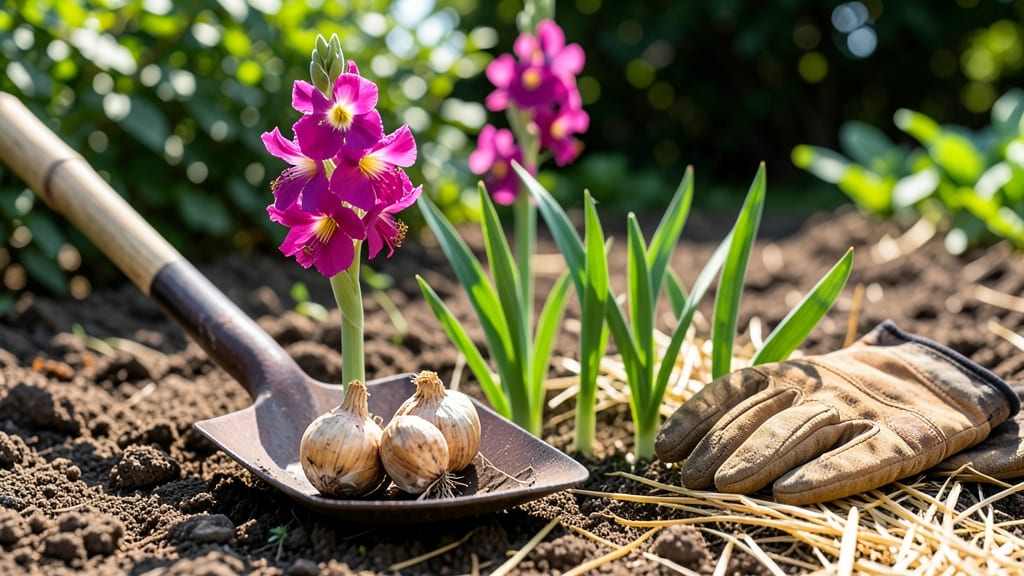
Timing your gladiolus planting in Maine isn’t just about the calendar—it’s about beating frost while giving your 🌸 flowers the warm soil they crave. Skip the guesswork, and you’ll end up with bold summer blooms that outshine your neighbors’ gardens.
The key? Planting between mid-May and early June, when soil finally warms to 60°F+ and the last frost threat fades.
But here’s the catch: Maine’s climate varies wildly from Zone 5b coastal areas to inland regions where frosts linger later. A week-too-early planting could leave your corms shivering, while waiting too long risks missing peak bloom season.
I’ll break down the exact frost-free window by county—so you can align your planting with your local microclimate.
You’ll also discover how to stretch your growing season with simple tricks like row covers or cold frames, plus how to spot when your soil is truly ready (hint: it’s not just about the date).
Whether you’re a first-time gardener or a seasoned pro, these tips will help you turn uncertainty into stunning glads that thrive in Maine’s short but sweet summer.
Ready to skip the trial-and-error? Let’s dive into the precise planting schedule that’ll have your gladiolus reaching sky-high by August—just in time for those show-stopping harvests. Your garden’s about to get a whole lot more dramatic.
Maine’s frost-free planting window for gladiolus: week-by-week timeline
Maine’s USDA Zones 4-5 demand precision when planting gladiolus corms. The average last frost date ranges from May 1-15, but northern regions like Aroostook County can see frost as late as June 1.
For bold summer blooms, aim to plant 4-6 weeks after your local frost date—typically mid-May to early June.
Southern Maine (e.g., Portland, Kittery) enjoys earlier frost-free windows, while northern areas (e.g., Bangor, Presque Isle) need extra patience. Use the NOAA Frost Prediction Tool to fine-tune your schedule.
Soil should reach 60°F+ at 4 inches deep—test with a soil thermometer or wait for consistent daytime highs of 70°F.
Here’s your week-by-week planting timeline for Maine’s three climate zones, adjusted for early/late frosts and soil warming delays:
For staggered blooms, plant 1/3 of corms every 2 weeks through June. This ensures continuous color from July to September, even if early frosts nip late-season blooms. In USDA Zone 4, opt for early-blooming varieties like ‘Black Star’ or ‘Green Star’ to maximize your short season.
If you’re starting corms indoors (e.g., in March), chill them for 8–10 weeks at 40–50°F to mimic winter dormancy. Transplant outdoors 2–3 weeks before your local frost-free date. This trick jumpstarts growth and compensates for Maine’s cool springs.
Pro tip: Mark your calendar for October 1, Maine’s average first frost. Dig up gladiolus corms before hard frost hits—3–4 weeks before—and store them in dry peat moss at 40–50°F until next spring. This preserves corms for 3–5 years with proper care.
For container gardening, use black pots to absorb heat and plant 2–3 corms per 12-inch pot. Place containers in south-facing spots or on patio heaters to extend the season. Just ensure pots have drainage holes to prevent rot in Maine’s damp springs.
Remember: Gladiolus thrive on warmth, so don’t rush planting. Wait for soil warmth—your blooms will thank you with taller spikes and brighter colors. And if late frosts strike, cover plants with frost cloth until temperatures stabilize.
🌸
Signs your Maine soil is ready for gladiolus (and how to fix common delays)
Don’t let cold soil sabotage your gladiolus dreams. The last frost date isn’t the only factor—your corms need soil that’s warmed to at least 60°F to thrive. In Maine, this often means waiting until late May or early June, but timing can shift by weeks depending on your microclimate.
Test your soil with a simple soil thermometer ($10 at garden centers) to confirm readiness.
If your soil is still below 50°F in early May, don’t panic. Use black plastic mulch or row covers to accelerate warming. These tricks can shave off 2-3 weeks of waiting time by trapping heat near the soil surface.
I’ve seen gardeners in Zone 4 areas of Aroostook County use this method to plant glads by May 15—just in time for a longer bloom season.
Watch for these 3 key soil cues before planting: earthworms are active, dandelions are blooming, and the ground feels warm to the touch (like a hot cup of tea). If your soil is still damp and chilly, hold off—gladiolus corms rot in cold, soggy conditions.
Pro tip: Plant in raised beds if your yard stays waterlogged; they warm up faster and drain better.
Cold Soil Warning
Planting too early in chilly Maine soil causes corms to rot. If your soil is below 50°F when you plant, your gladiolus may never sprout. Wait for 60°F+ soil—this is non-negotiable for Maine gardeners!
Solution: Use a soil warming mat ($20) or cover beds with clear plastic for 1-2 weeks before planting.
For those in coastal Maine (like Portland or Bar Harbor), soil warms faster thanks to moderate ocean breezes. Aim to plant by May 10 in these areas, but always check the NOAA frost forecast for your specific town.
Inland regions like Augusta or Bangor often need to wait until May 25—so don’t rush! I once planted glads in Presque Isle on May 1, only to have a late frost wipe out my entire batch.
If you’re desperate for blooms and your soil isn’t ready, try container gardening. Fill pots with well-draining mix and place them in a sunny, sheltered spot (like a south-facing porch).
Containers warm up faster than garden beds, giving you a 2-week head start. Just be sure to harden off potted glads before moving them outdoors permanently.
Once your soil is ready, plant corms 4-6 inches deep in loose, fertile soil. Add a handful of compost to each hole for extra nutrients—this helps compensate for Maine’s short growing season.
Water deeply after planting, but avoid overwatering; gladiolus hate soggy roots. With the right timing and prep, you’ll be rewarded with towering spikes of color by mid-summer.