
Plants
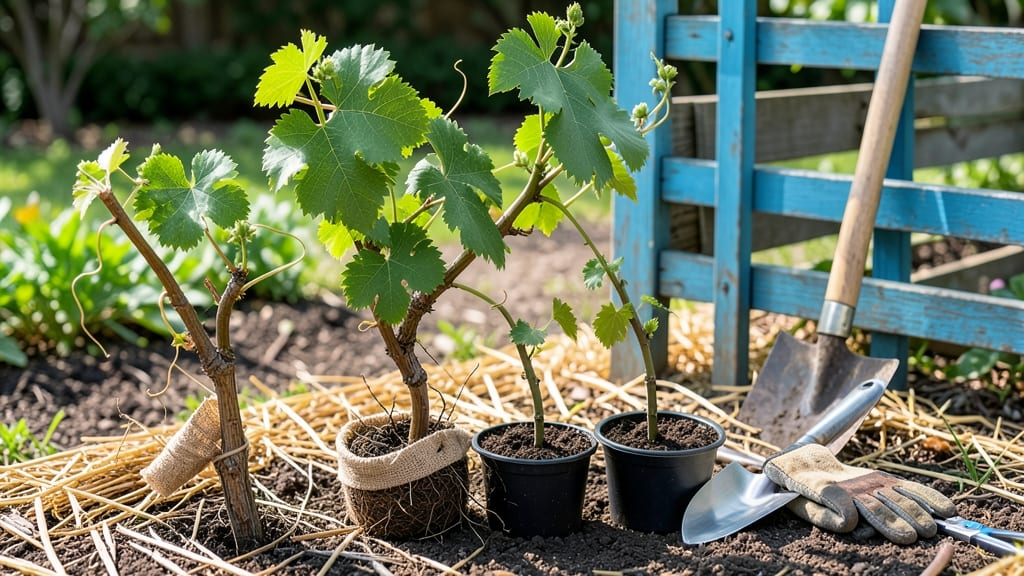
Timing your grape vine planting in Georgia could mean the difference between a thriving 🍇 harvest and a lost investment—especially when frost sneaks in unexpectedly.
Georgia’s 7b-8b zones offer a long growing season, but planting too early risks freezing tender roots, while waiting too long means vines won’t establish before winter’s chill sets in.
Most gardeners in Georgia aim for late winter to early spring, but the exact window depends on your microclimate—whether you’re in the cooler Appalachian foothills or the warmer coastal plains.
I’ll break down the precise months to plant, how soil temperature plays a role, and why March is the sweet spot for most varieties like muscadines.
You’ll also discover how to prep your soil for Georgia’s humidity, choose the right trellis setup, and protect young vines from late frosts that can hit as late as mid-March. Skip the guesswork and follow this science-backed guide to give your grape vines the best possible start.
Ready to turn your backyard into a productive vineyard? Let’s dive into the exact planting schedule that works for Georgia’s unique climate—so you can enjoy fresh grapes from August through October without the stress.
Georgia’s grape planting timeline by USDA hardiness zones (7a–8b)
Georgia’s diverse climate zones—from the Appalachian foothills to the coastal plains—mean your grape vine planting window depends heavily on where you live. Most of Georgia falls within USDA Zones 7a–8b, but even small shifts in elevation can change your last frost date by weeks.
For muscadine grapes (Georgia’s native variety) and vinifera hybrids, timing your planting right ensures strong root growth before summer heat sets in.
In Zone 7a (North Georgia mountains), aim to plant bare-root grape vines in late February to early March, when soil temperatures hit 50°F (10°C). This gives vines 8–10 weeks to establish roots before the 100°F (38°C) heat waves of late spring.
In Zone 8a–8b (South Georgia and coastal areas), you can plant as late as mid-March to early April, thanks to milder winters and later frosts.
Here’s the critical rule: Plant grape vines 4–6 weeks before your area’s last frost date. In Zone 7a, that’s usually mid-March; in Zone 8b, it’s often early April.
Planting too early risks frost damage to tender shoots, while planting too late delays root growth, leaving vines vulnerable to summer drought and heat stress.
🍇
| Zone | Last Frost Date | Ideal Planting Window | Soil Temp Threshold | Grape Varieties |
|---|---|---|---|---|
| 7a (North GA) | Mid-March | Late Feb–Early March | 50°F (10°C) | Muscadine, Norton, Cabernet Franc |
| 7b (Central GA) | Late March | Early–Mid March | 50°F (10°C) | Chambourcin, Sauvignon Blanc |
| 8a (South GA) | Early April | Mid–Late March | 55°F (13°C) | Muscadine, Merlot, Syrah |
| 8b (Coastal GA) | Mid-April | Early–Mid April | 55°F (13°C) | Scuppernong, Tempranillo |
For container-grown grape vines, you can extend your planting window slightly—up to mid-April in Zone 7a—since pots warm up faster than in-ground soil. However, bare-root vines (the most common type) must go into the ground while dormant (no leaves or green growth).
If you miss the window, wait until fall planting (October–November), but this is riskier in Georgia due to hurricane season and winter rains.
Pro tip: Check your local Cooperative Extension Service for hyper-local frost data. For example, Athens (Zone 7b) often has a later frost than Dahlonega (Zone 7a), even though they’re only 50 miles apart.
Use a minimum thermometer to track overnight lows in your yard for 3–5 years to refine your planting schedule.
Once planted, mulch heavily (3–4 inches of straw or wood chips) to insulate roots from Georgia’s swinging temperatures. In Zone 8b, where summers are long and hot, mulch also helps retain soil moisture during drought periods that can last 6–8 weeks.
🌱
If you’re growing muscadine grapes (Georgia’s native variety and the state’s official fruit), note that they’re more heat-tolerant than vinifera grapes. You can plant them 1–2 weeks later than other varieties in Zone 7a without risking winter kill.
However, they still need full sun exposure (6–8 hours daily) to produce high-quality fruit.
Finally, avoid planting grape vines in fall unless you’re in Zone 8
How Georgia’s microclimates affect grape vine planting dates (mountains vs. coastal plains)
Georgia’s geography creates dramatic differences in planting windows—from the chilly Appalachian foothills in the north to the subtropical coastal plains in the south. These microclimates shift your ideal planting dates by 4-6 weeks, so choosing the wrong window could mean frost damage or stunted growth.
Let’s break down how elevation, humidity, and temperature gradients impact when you should plant grape vines in each region.
In North Georgia (USDA Zone 7a), like the Blue Ridge Mountains, last frosts linger until mid-April, while South Georgia’s Zone 8b areas, like Savannah, often see frost-free conditions by early March.
This means mountain gardeners should delay planting until late March to avoid late-season freezes, while coastal gardeners can start as early as mid-February for muscadine varieties. The difference isn’t just about dates—it’s about survival.
Here’s how these regions differ in critical factors like soil temperature thresholds, dormancy periods, and even which grape varieties thrive best in each zone. Understanding these nuances will help you pick the perfect window for your location.
| Factor | North Georgia (Zone 7a) | South Georgia (Zone 8b) |
|---|---|---|
| Last Frost Date | Mid-April | Early March |
| Ideal Planting Window | Late March - Early April | Mid-February - March |
| Soil Temp for Planting | 55°F+ | 50°F+ |
| Best Varieties | Cynthiana, Norton | Muscadine, Scuppernong |
| Key Risk | Late frosts | Heat stress |
If you’re in the Piedmont region (Zone 7b), like Athens or Macon, you’ll find a middle ground with last frosts around mid-March. This makes early March your sweet spot for planting, but always check local frost data—some years, late frosts can still hit in April.
I recommend using the National Weather Service’s frost prediction maps or your local Cooperative Extension Service for real-time updates.
Another critical factor is humidity levels. South Georgia’s high humidity can lead to fungal diseases if you plant too early, while North Georgia’s drier air might require extra irrigation during dry spells.
For example, muscadine grapes, which thrive in South Georgia’s heat and humidity, should never be planted before soil temperatures hit 50°F—earlier planting risks rot. Meanwhile, Norton grapes, better suited for the Piedmont, need warmer soil (55°F+) to avoid root rot.
Pro tip: Use a soil thermometer to check temperatures before planting. In cooler zones, wait until the soil stays above 55°F for 3+ days—this ensures roots establish quickly. In warmer zones, you can plant as soon as the ground is workable, usually by mid-February.
Timing isn’t just about the calendar; it’s about giving your grape vines the best possible start in their unique Georgia environment. 🌱