
Plants
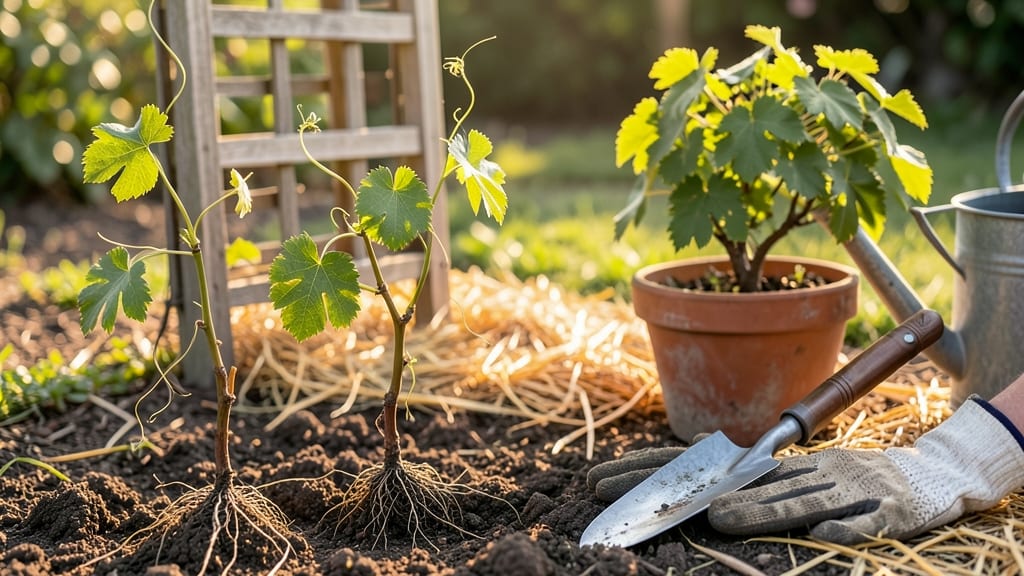
Timing your 🍇 grape planting in AZ isn’t just about picking a month—it’s about avoiding Arizona’s brutal summer heat and giving your vines the best shot at thriving.
The difference between a lush harvest and wasted effort often comes down to those 4 critical months when temperatures are cool enough for roots to establish without stress.
If you’ve ever watched your grape plants wilt under the desert sun or struggled with uneven growth, you’re not alone.
The key is planting dormant bare-root vines between November and February, when the soil stays workable and frost risks are minimal in USDA Zone 9b. This window gives your grapes time to root deeply before the monsoon season hits.
But here’s the catch: not all grape varieties play by the same rules. Wine grapes like Cabernet need extra care, while heat-tolerant types like Flame Seedless can handle slightly later plantings.
I’ll break down the exact schedule for each, so you know whether to dig in October or wait until January.
Ready to skip the guesswork? Let’s dive into the planting calendar that’ll set you up for a bountiful harvest from May through September—no more second-guessing, just sweet success.
Best months to plant grapes in Arizona by variety type
Arizona’s USDA Zones 8b–11 create a unique challenge for grape growers—scorching summers and cool winters demand precise planting timing. The ideal window for planting grapes in AZ is November through February, when soil temperatures stay mild and vines can establish roots before the heat arrives.
This schedule varies slightly by variety type, with wine grapes needing extra care in frost-prone areas like Flagstaff, while table grapes thrive in the Phoenix metro’s warmer microclimate.
For dormant bare-root vines, late fall to early spring is critical. Planting in October or March is possible in Zone 10+ areas (like Yuma or Tucson), but these months risk heat stress or monsoon delays.
My top recommendation? Aim for December–January—this balances root establishment with avoiding summer’s brutal 110°F+ temps.
Here’s how Arizona’s microclimates affect your planting schedule:
For wine grapes, December–February is non-negotiable in higher elevations (e.g., Prescott or Sedona). These areas experience frost risks until mid-January, so planting earlier can damage tender roots. Cabernet Sauvignon and Syrah benefit from cool soil temps during establishment, which slows early growth and reduces heat stress later.
If you’re growing table grapes like Thompson Seedless, November–January works best in Zone 10+ (Phoenix, Tucson). These varieties mature faster and can handle early spring warmth, but avoid planting after March 1—the 100°F+ heat can shock young vines.
For Flame Seedless, a January transplant ensures vines are well-rooted before the monsoon season’s sudden downpours.
Native varieties like Muscadine and Concord are Arizona’s secret weapon for drought-prone areas. Plant these in January–February to align with natural rainfall patterns. Their deep root systems thrive in well-draining soil, making them perfect for high-desert regions like Flagstaff or Payson.
Pro tip: Soil preparation starts 2–3 months before planting. For December–January plantings, begin amending soil in October with compost and organic matter.
Test soil pH—grapes prefer 6.0–7.5—and adjust with lime or sulfur as needed. Drainage is critical; avoid low spots where water pools after monsoon rains.
One of my biggest AZ-specific lessons: Never rush planting to beat the heat. A well-timed December
Critical factors that determine Arizona grape planting success
Arizona’s diverse microclimates and USDA Zones 8–11 mean your grape planting success hinges on three critical factors: elevation, soil conditions, and frost-free dates. Low desert areas like Yuma (Zone 10a) can handle later plantings, while higher elevations near Flagstaff (Zone 7b) demand earlier starts to avoid late frosts.
The soil pH must stay between 6.0–7.5, and your water source must support deep, consistent irrigation—especially during monsoon season.
For example, Phoenix gardeners (Zone 9b) should focus on November–January plantings, while Tucson’s cooler high-desert pockets (Zone 8a) can extend windows into early March.
The key is matching your variety to your local frost-free date—most of Arizona’s low desert enjoys 240+ frost-free days, but mountain foothills may see sporadic cold snaps until mid-April.
🌱
Arizona Grape Planting Success Factors
| Factor | Arizona-Specific Requirement | Impact on Planting |
|---|---|---|
| Elevation | Low Desert: 2,000–3,000 ft High Desert: 4,000–6,000 ft |
Low desert: Plant Dec–Feb High desert: Plant Oct–Nov to avoid spring frosts |
| Soil pH | 6.0–7.5 (test before planting) | Acidic soil (<6.0) stunts roots; amend with lime if needed |
| Water Availability | Drip irrigation or 2000ml deep soaks every 3–5 days | Surface watering causes root rot; mulch to retain moisture |
| Frost-Free Dates | Phoenix: Dec 15–Jan 15 Tucson: Jan 1–Feb 15 |
Plant 4–6 weeks before last frost for root establishment |
Don’t overlook rootstock compatibility—Arizona’s heat and soil-borne diseases (like Pierce’s disease) demand disease-resistant rootstocks for varieties like Cabernet Sauvignon. For table grapes like Thompson Seedless, prioritize well-draining soil to prevent fungal issues during monsoon downpours.
A quick soil test at your local Cooperative Extension office can save you from costly mistakes.
Pro tip: Use black plastic mulch in summer to raise soil temps by 5–10°F, extending your growing season for heat-loving varieties like Flame Seedless. Just remove it before winter to avoid frost damage to young vines.
✂️
Remember, the first 30 days after planting are critical—your grapes’ roots need time to establish before Arizona’s 100°F+ summers arrive. If you’re in a cooler microclimate (e.g., Sedona), you might push plantings into early April, but monitor weather forecasts for unexpected cold snaps.
The goal? Give your vines a 6–8 week head start before the real heat kicks in.