
Plants
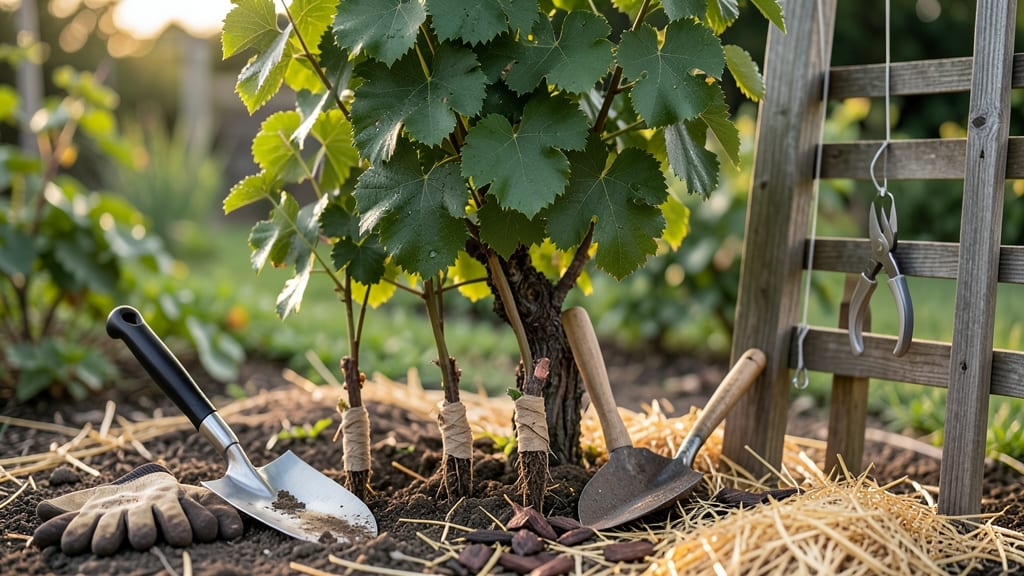
Planting grapes in Kentucky isn’t just about the calendar—it’s about reading your microclimate like a pro. Whether you’re in the Bluegrass Region or the Appalachian hills, timing matters more than you think, especially with USDA zones 6a-7a throwing frost surprises your way.
Most gardeners assume late spring is the only window, but fall planting can give your 🍇 grape vines a head start. The key? Avoiding late frosts in March and leveraging Kentucky’s 180 frost-free days to maximize growth.
I’ll show you exactly when to dig in for your specific corner of the state.
You’ll also discover which varieties thrive in Kentucky’s short season—and why Norton and Chardonnay outperform others. Plus, I’ll share my foolproof checklist for adjusting planting dates when spring weather plays tricks, so you’re never caught off guard.
Ready to grow grapes that burst with flavor? Let’s turn your backyard into a vineyard—starting with the perfect planting window for your microclimate.
Kentucky’s 3 microclimates for grapes: best planting windows by region
Kentucky’s grape-growing success starts with understanding its three distinct microclimates—each with unique frost patterns and ideal planting windows. The Bluegrass Region, home to Louisville and Lexington, offers the longest growing season, while the Pennyrile Plateau in western Kentucky faces earlier frosts.
Meanwhile, the Cumberland Plateau in the east has cooler nights and shorter summers. These differences mean your planting deadline could shift by 6-8 weeks depending on where you live.
For wine grapes like Norton, aim for late March to early April in the Bluegrass, but wait until mid-April in the Cumberland Plateau. Table grapes like Concord can handle slightly later dates—April to early May in most regions.
Fall planting (September-October) works too, but only for container-grown vines in warmer microclimates like the Pennyrile Plateau.
🌱 Pro Tip: Use your local USDA Zone 6a-7a as a baseline, but adjust by 1-2 weeks based on elevation. High elevations (like the Cumberland Plateau) may need 2-3 weeks later than low-lying areas near the Ohio River.
🌡️ Kentucky Grape Planting Deadlines by Microclimate
| Region | Last Frost Date | Spring Planting Window | Fall Planting Window | Soil Prep Start |
|---|---|---|---|---|
| Bluegrass Region | March 10-15 | Late March–Early April | September 15–October 15 | February 15 |
| Pennyrile Plateau | March 20–April 1 | Mid-April–Early May | September 1–October 1 | March 1 |
| Cumberland Plateau | April 5–10 | Early May–Mid-May | September 1–September 15 | March 15 |
📌 Note: Adjust for low-lying areas (add 1 week) and south-facing slopes (subtract 1 week).
Soil preparation is just as critical as timing. In the Bluegrass Region, start amending soil in mid-February with compost and sand to improve drainage—grapes hate soggy roots. For the Pennyrile Plateau, wait until early March to avoid compacting wet soil.
The Cumberland Plateau benefits from mulching in late February to protect roots from freezing-thaw cycles.
🌿 Warning: If you plant bare-root vines in spring, do it as soon as soil is workable (3-4 inches deep should be above 40°F). Delaying beyond the ideal window risks frost damage to emerging shoots.
For container-grown vines, fall planting is safer—roots establish before winter, giving you a head start in spring.
Humidity also plays a role. The Bluegrass Region’s high humidity increases powdery mildew risk, so choose disease-resistant varieties like Norton or Chardonnay. In drier Pennyrile areas, you can grow Concord or Catawba with less fungal pressure.
Always plant on a slightly elevated mound (6-12 inches) to improve drainage and reduce disease.
💡 Insider Tip: Check your local Cooperative Extension Service for real-time frost alerts. In 2023, a late April frost in Lexington delayed grape shoots by 3 weeks—don’t let that happen to you! Use row covers if planting early in frost-prone zones like the Cumberland Plateau.
Finally, trellis installation must happen before planting. Grapes need strong support from day one, and retrofitting later weakens root systems. In Kentucky, kniffin trellises (common for wine grapes) or fan-trained systems (ideal for table grapes) work best. Install posts in late winter so they’re ready when you plant.
By matching your planting date to your specific microclimate, you’ll give your grapes the best shot at healthy growth, disease resistance, and a bountiful harvest—whether you’re growing for wine, jelly, or fresh eating. 🍇
How to adjust planting dates for Kentucky’s unpredictable spring weather
Kentucky’s spring weather is famously unpredictable—one day it’s 60°F and sunny, the next, a frost warning hits. If you plant your 🍇 grape vines too early, a late frost can kill tender new growth. But if you wait too long, your vines won’t establish roots before summer heat sets in.
The key is flexibility: adjust your planting timeline based on soil temperature, leaf-out dates, and local frost forecasts.
Most gardeners in USDA zones 6a-7a aim for late March to early April, but that’s a moving target. I’ve learned to monitor soil temperatures—grapes need the ground to be at least 50°F before transplanting.
A simple soil thermometer (just $10) saves you from costly mistakes. Pro tip: Check temps in the morning—afternoon heat can skew readings.
Here’s my 5-step