
Plants
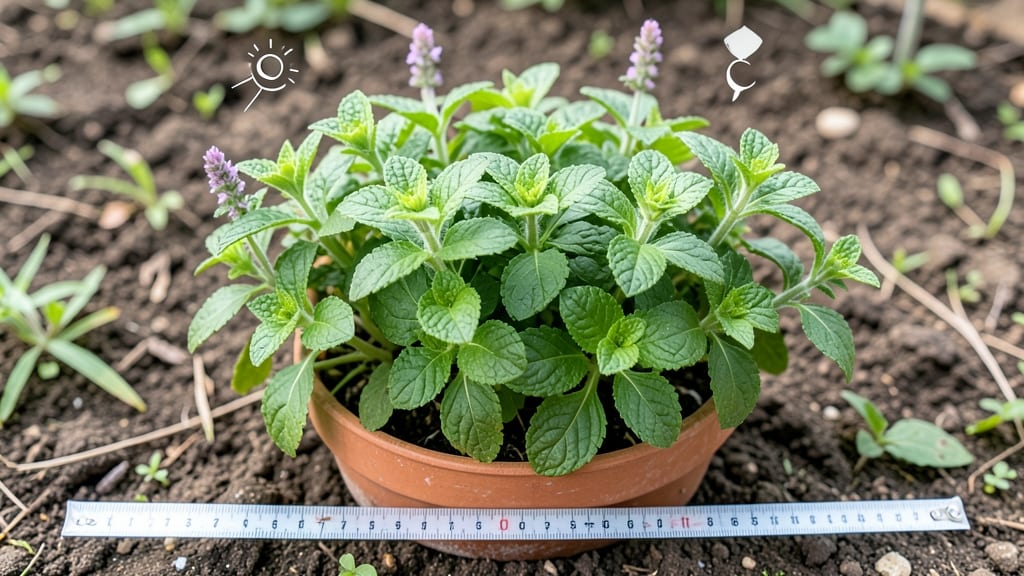
If your mint plant 🌿 is looking more like a sad, leggy stalk than a lush, aromatic bush, how much light does a mint plant need might be the missing piece.
This hardy herb thrives with just the right balance—too much sun burns those delicate leaves, while too little leaves you with weak stems and sparse growth.
Most gardeners assume mint needs full sun, but the truth is simpler: 3 to 6 hours of bright, indirect light per day is all it takes to keep your mint happy.
Whether you're growing it in pots on a windowsill or in your garden, understanding these light needs is the key to avoiding common mistakes that stunt your plant's potential.
In this guide, I'll break down exactly how much light mint needs, how to spot when it's getting too much or too little, and the best spots to place it—whether indoors or outdoors. You'll learn how to transform that struggling mint into a thriving, fragrant powerhouse in no time.
From adjusting your windowsill setup to choosing the perfect outdoor location, these tips will ensure your mint stays vibrant, healthy, and ready for harvesting all season long. Let’s get your mint growing strong!

Optimal light requirements for mint plants: 3 to 6 hours of sunlight daily
Mint thrives with moderate sunlight exposure, making it perfect for gardeners who want a low-maintenance herb without the risks of full sun. Unlike sun-loving plants like basil, mint prefers bright indirect light or dappled sunlight, especially in hotter climates where intense rays can scorch delicate leaves.
Aim for 3 to 6 hours of sunlight daily—this sweet spot ensures robust growth without stressing the plant.
The ideal light balance depends on your climate. In cooler regions, mint can tolerate morning sun and afternoon shade, while hotter areas may need afternoon protection to prevent leaf burn.
Seedlings, in particular, are sensitive and should start with only 2 to 3 hours of light before gradually increasing exposure as they mature.
Direct sunlight can turn mint leaves yellow or crispy, especially during peak afternoon hours (1 PM to 5 PM). If your mint is outdoors, position it where it gets morning sun and afternoon shade—think east-facing windows or partially shaded garden beds. For indoor mint, a south- or west-facing window works, but avoid placing it in direct midday sun.
Mint’s growth stages also influence light needs. Young plants (first 4-6 weeks) need gentler light to avoid legginess, while mature plants can handle up to 6 hours of sun without issues. Over time, you’ll notice darker, glossier leaves and a stronger aroma when the light conditions are just right.
🌿 Did You Know? Mint is a perennial herb that spreads aggressively, so controlling its light exposure isn’t just about health—it’s also about managing its growth. Too much sun can make it bolder and harder to contain, while too little slows its spread, making it easier to harvest.
| Growth Stage | Light Requirement | Signs of Correct Light |
|---|---|---|
| Seedlings (0-4 weeks) | 2-3 hours of bright indirect light | Compact growth, dark green leaves |
| Established Plants (4-8 weeks) | 4-5 hours of partial sun | Bushy stems, glossy leaves, strong aroma |
| Mature Plants (8+ weeks) | 5-6 hours of partial sun | Thick stems, vibrant color, rapid regrowth |
| Indoor Mint (Year-Round) | 4-6 hours of indirect light (east/west window) | Slow but steady growth, no leaf burn |
If you’re growing mint in containers, light needs remain the same, but rotate the pot every few weeks to ensure even exposure. This prevents leggy growth (a classic sign of light starvation) and keeps your plant compact and bushy.
For outdoor gardens, mulch around the base to retain moisture and regulate soil temperature, which indirectly supports optimal light absorption.
Seasonal adjustments are key. In summer, mint may need afternoon shade to prevent wilting, while in winter, it can handle more direct light since days are shorter. Watch for leaf color changes—yellowing means too much sun, while pale or stretched leaves signal insufficient light.
Pro tip: If your mint starts looking weak or sparse, it’s time to relocate it to a brighter spot. Conversely, if leaves curl or develop brown edges, move it to a shadier area immediately.
Mint is forgiving, but consistency in light exposure is the secret to a flavorful, vibrant harvest.
For indoor gardeners, grow lights can be a game-changer. A full-spectrum LED bulb placed 6-12 inches above the plant for 12-14 hours daily mimics natural light perfectly. Just avoid overhead heat, which can stress mint just as much as poor lighting.
💡 Remember: Mint’s light needs are flexible, but balance is everything. Too little, and you’ll have a weak, sparse plant; too much, and you’ll end up with crispy, bitter leaves.
Strike that 3-6 hour sweet spot, and you’ll enjoy fresh mint all season long! ✂️
Optimal light requirements for mint plants: 3 to 6 hours of sunlight daily
Mint plants are often misunderstood—they don’t need as much direct sunlight as you might think. In fact, 3 to 6 hours of bright, indirect light per day is ideal for most varieties.
This range prevents the delicate leaves from scorching while ensuring robust growth. Think of it as the Goldilocks zone for mint: not too much, not too little, but just right.
For seedlings, start with 3 hours of light to avoid shocking young plants. As they mature, gradually increase exposure to 4 to 6 hours. This gradual adjustment helps prevent stress and encourages stronger stems.
If you’re growing mint in hot climates, morning sun paired with afternoon shade works best—this mimics natural conditions and keeps leaves from drying out.
Direct sunlight is a double-edged sword for mint. While it needs some, more than 6 hours of full sun can cause leaf burn, turning edges crispy and brown. Look for signs like yellowing leaves or wilting stems—these are clear warnings your mint is getting too much sun.
If you notice these, move your plant to a slightly shadier spot or use a sheer curtain to filter the light.
🌿
| Growth Stage | Ideal Light Exposure | Signs of Stress |
|---|---|---|
| Seedlings | 3 hours bright indirect light | Leggy stems, pale leaves |
| Mature Plants | 4-6 hours partial sun | Brown leaf edges, crispy texture |
| Hot Climates | Morning sun + afternoon shade | Wilting, drooping leaves |
| Indoor Growth | East-facing window (4-6 hrs) | Slow growth, weak stems |
Seasonal adjustments are key, especially if you’re growing mint outdoors. In spring and fall, mint can handle up to 6 hours of light as temperatures are milder. But during summer’s peak heat, reduce exposure to 3 to 4 hours to prevent overheating.
A simple trick? Place your mint pot on a shaded patio or under a dappled tree canopy—this provides natural filtration while keeping the plant happy.
If you’re growing mint indoors, prioritize an east-facing window for gentle morning light. South-facing windows can work, but use a sheer curtain to diffuse the intensity. For low-light spaces, consider a grow light on a timer for 12 to 14 hours daily.
LED grow lights are energy-efficient and mimic natural sunlight perfectly, making them ideal for mint enthusiasts with limited natural light.
Remember, mint is adaptable, but it thrives when given just the right amount of light. Pay attention to its cues—dark green, glossy leaves and upright stems mean you’ve nailed the balance.
If your mint starts looking leggy or sparse, it’s time to tweak its light exposure. With these tips, your mint will grow lush, aromatic, and ready for harvesting in no time!