
Plants
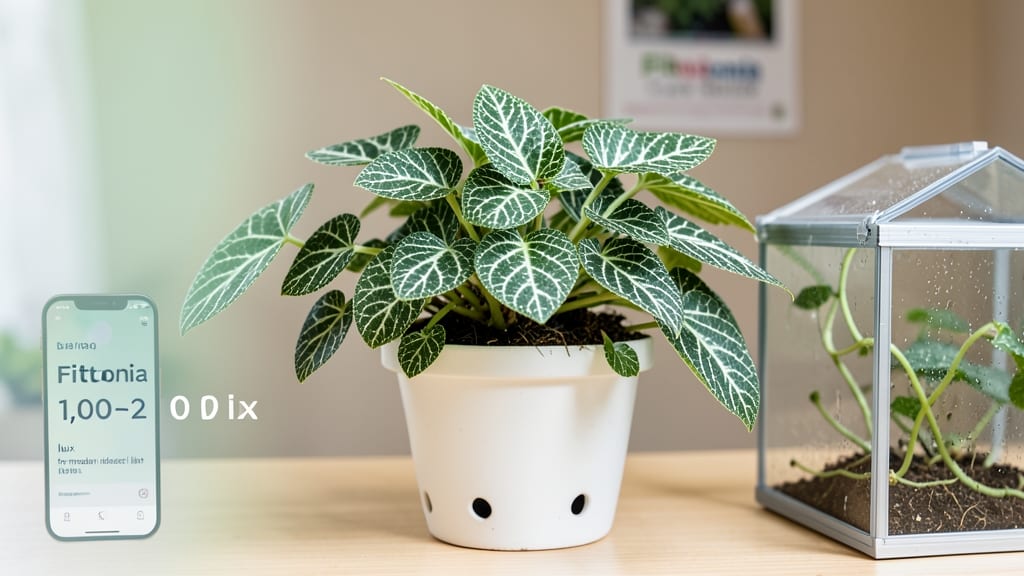
If your Nerve Plant 🌿 how much light does a nerve plant need to keep its stunning variegation—and it’s turning plain green—you’re likely dealing with a lighting mystery.
The right amount of light isn’t just about keeping it alive—it’s the secret weapon for those eye-catching white or pink veins that make this plant so special.
Too little light, and your Nerve Plant will stretch toward the nearest glow, fading into a dull shadow of itself. Too much, and those delicate leaves will crisp up like overcooked pasta.
The good news? Finding that sweet spot is easier than you think—and I’ll show you exactly how to spot the signs and adjust your setup.
Whether you’re dealing with a dim corner or a sun-soaked windowsill, I’ll walk you through the ideal light conditions for your Nerve Plant. From bright indirect light to clever indoor placement tricks, you’ll learn how to keep those vibrant patterns popping all year round.
Ready to transform your plant’s dull days into a showstopper? Let’s dive into the lighting secrets that’ll have your Nerve Plant thriving in no time.

Nerve plant light requirements: the perfect balance for variegation
Your nerve plant (Fittonia) thrives on bright indirect light, but getting the balance right is key to keeping those stunning veined patterns vibrant. Too little light, and the foliage fades to dull green.
Too much, and those delicate leaves scorch. The secret lies in mimicking its natural understory habitat where dappled sunlight filters through canopy leaves.
Think of your nerve plant’s leaves as a living canvas. The white or pink veins contain less chlorophyll than the green areas, making them more sensitive to intense light.
This is why variegated plants often need gentler lighting than their solid-green counterparts. Without proper light, those beautiful patterns become a pale shadow of their potential.
Here’s the ideal light spectrum for your nerve plant:
| Light Condition | Intensity | Best For | Symptoms if Wrong |
|---|---|---|---|
| Bright Indirect Light | 40-60% | Vibrant variegation | Faded patterns |
| Direct Morning Sun | 1-2 hours max | Growth boost | Brown leaf tips |
| Low Light | <20% | Survival | Leggy growth |
| Harsh Afternoon Sun | >50% | N/A | Sunburn |
The 4-6 hours of bright indirect light is your target. Position your plant 1-3 feet from an east-facing window or 2-4 feet from a north-facing window for optimal results.
South-facing windows work too, but use a sheer curtain to diffuse the intensity. Remember, variegated plants need this gentle light to maintain their striking patterns.
Seasonal adjustments are crucial. During spring and summer, your nerve plant can handle slightly more light, but always avoid direct afternoon sun. In fall and winter, supplement with a grow light if natural light drops below 4 hours daily.
A simple LED grow bulb (6400K color temperature) works wonders for maintaining those pink or white veins.
Here’s a quick light test to check if you’ve got it right: Hold your hand near the plant. If you can barely read text through your fingers, the light is perfect.
If you can read easily, it’s too bright. If you can’t see your hand at all, it’s too dim. This simple trick saves hours of guesswork!
Pro tip: Rotate your plant quarter-turn weekly to ensure even growth. Nerve plants grow toward the light, and uneven exposure causes lopsided foliage. A slow rotation keeps those veins symmetrical and your plant looking its best.
For urban dwellers with limited natural light, a south-facing windowsill with a light-colored curtain is ideal. If that’s not an option, a full-spectrum LED grow light (12-14 hours daily) will keep your nerve plant thriving.
Just avoid cool white bulbs—they emit too much blue light, which stresses these tropical beauties.
🌿
Signs your nerve plant isn’t getting enough (or too much) light
Your Nerve Plant 🌿 is like a mood ring—it tells you exactly what it needs through its leaves. When light conditions are off, those delicate variegated patterns fade or distort, and the leaves send you clear signals.
The key is learning to read these visual cues before they become permanent damage. I’ve seen too many plants suffer from ignored symptoms, so let’s decode what your plant is trying to tell you.
First, watch for yellowing leaves, especially on the older ones. This is a classic sign of too much direct sunlight burning the chlorophyll. The edges may crisp up like paper, while the center stays green.
Your plant is essentially getting a sunburn, and it’s not just ugly—it stresses the roots too. If you notice this, move your Nerve Plant further from the window or add a sheer curtain to diffuse the light.
On the flip side, stretched-out growth (called etiolation) means your plant is craving more light. The stems elongate dramatically, and the leaves grow sparse and pale. This happens when your Nerve Plant is reaching for light in a dim corner.
The variegation fades to solid green because the plant prioritizes chlorophyll production over those pretty patterns. To fix this, rotate your plant quarter-turns weekly for even growth, or supplement with a grow light for 4-6 hours daily.
Brown leaf tips can be tricky—they’re often blamed on underwatering, but low humidity from dry air near heaters or direct sun exposure can cause them too. Check the soil first: if it’s dry, water thoroughly.
If the tips are crispy despite moist soil, your plant is overheating from too much light. Grouping it with other plants creates a microclimate that retains humidity and protects those delicate edges.
Here’s where it gets interesting: pale or washed-out variegation is your plant’s way of saying, “I need more light to show off my patterns!” The white or pink veins lose their vibrancy because the plant can’t produce enough anthocyanins (the pigments responsible for those colors) without sufficient light.
This is reversible—just move your plant to a brighter spot (but still indirect) and watch those colors reappear in 2-4 weeks.
🌱 Pro Tip: Use a light meter (or your phone’s lux app) to check your plant’s current light levels. Aim for 500-1,000 lux for bright indirect light. If you’re below 300 lux, it’s time to relocate or add artificial lighting.