
Plants
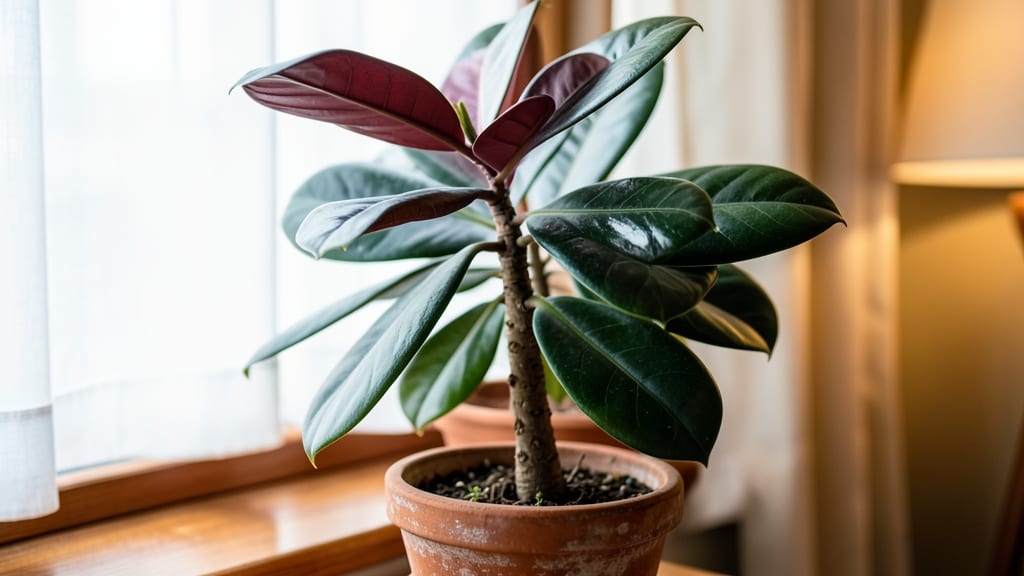
Wondering how tall does a rubber plant grow before it becomes a towering jungle in your living room?
These glossy-leaved beauties can reach heights of 6 to 10 feet indoors with the right care, but their growth isn’t set in stone—it’s all about light, pruning, and patience. 🌿 Whether you’re dreaming of a lush vertical accent or just want to keep it compact, understanding the factors that shape its size will help you steer its growth in the direction you prefer.
Your rubber plant’s ultimate height depends on its variety, with some staying shorter and others stretching skyward. For example, standard types can easily top out at 10 feet if given plenty of light and space, while dwarf varieties remain more manageable.
The key to controlling its growth lies in how you care for it—think of it like training a young tree to stay within bounds.
Light exposure is the single biggest factor in determining how tall your rubber plant will grow. Too much shade slows its vertical climb, while bright, indirect light fuels rapid growth.
But here’s the catch: if you love its height, embrace the light; if you’d rather keep it smaller, a little less brightness (or strategic pruning) will do the trick. The good news? You’re in control.
Ready to shape your rubber plant’s future? I’ll walk you through the 3 most effective ways to manage its height—whether you’re aiming for a floor-filling statement piece or a neatly trimmed tabletop companion. Let’s get started.


Rubber plant height by variety: expected indoor growth limits
Rubber plants (Ficus elastica) are famous for their bold foliage and impressive height potential. Under ideal indoor conditions, most varieties can reach 6 to 10 feet tall, though some dwarf types stay compact.
The variety you choose directly impacts how tall your plant will grow, so let’s break down the most popular types and their mature heights.
Standard rubber plants like ‘Burgundy’ or ‘Tineke’ typically hit 8 to 10 feet indoors with proper care. These varieties grow upright with thick, glossy leaves and are perfect for adding vertical drama to your space.
If you’re short on ceiling space, consider dwarf varieties like ‘Black Prince’ or ‘Variegata’, which max out around 3 to 5 feet.
🌿 Variety Height Comparison
If you’re growing a rubber plant outdoors in USDA Zone 10 or warmer, expect even taller growth—some varieties can reach 15 feet or more in ideal conditions. However, most gardeners keep them indoors where their height is more manageable and their striking leaves shine as a focal point.
Pro tip: Check your plant’s leaf shape and color to identify its variety. Variegated types (like ‘Variegata’) grow slower due to their energy demands, while solid-colored varieties (like ‘Burgundy’) grow faster and taller. Always match your plant’s care to its expected growth rate to avoid overcrowding.
For compact growth, choose a smaller pot or prune regularly. If you’re aiming for a towering indoor tree, opt for a larger container and provide bright, indirect light to encourage vertical growth. Your rubber plant’s height is entirely in your hands!
🌱
Key factors that control rubber plant height (and how to adjust them)
Your rubber plant’s height potential isn’t fixed—it’s shaped by light exposure, pruning habits, and even the size of its pot. Think of it like training a young tree: with the right conditions, it can grow tall and dramatic, while careful adjustments keep it compact.
The key is understanding which factors push it upward and which rein it in.
Light exposure is the biggest lever for controlling height. Place your rubber plant in bright, indirect light (like an east-facing window) to encourage rapid vertical growth. Move it 2-3 feet away from the window or use sheer curtains to reduce light intensity if you want a shorter, bushier plant.
Too little light? Expect leggy, stretched-out growth that struggles to reach its full height potential.
Pot size plays a surprising role too. A root-bound rubber plant in a cramped container will focus its energy on stretching upward rather than spreading roots. Upgrade to a pot that’s 2-3 inches wider than its current one to encourage wider growth and slower height increases.
Just don’t overdo it—a pot that’s too large will lead to soggy soil and stunted growth.
⚠️ Warning: Overwatering Stunts Growth
Watering too frequently or using pots without drainage holes can stress your rubber plant’s roots, forcing it to divert energy to survival instead of growth. This often results in shorter, weaker stems that struggle to reach their full height. Always let the top 1-2 inches of soil dry out between waterings to avoid this common pitfall.
Pruning is your secret weapon for managing height. By trimming back leggy stems, you encourage the plant to grow wider and more compact. Aim to prune in early spring when new growth begins—this gives your rubber plant time to recover before summer’s rapid growth phase.
Even a simple pinch of the top few leaves can signal the plant to branch out instead of reaching upward.
Fertilization also impacts height, but timing matters. Use a balanced 10-10-10 fertilizer in early spring to fuel new growth, but avoid heavy feeding in fall or winter when the plant slows down.
Over-fertilizing can lead to rapid, weak growth that’s prone to toppling over—a common issue with towering rubber plants. Stick to every 4-6 weeks during the growing season for steady, controlled height increases.
Finally, temperature and humidity play subtle roles. Rubber plants thrive in 65-80°F temperatures and 40-50% humidity. Cooler temperatures or dry air can slow growth, while warm, humid conditions (like a bathroom with indirect light) can accelerate it.
If you’re aiming for a taller plant, place it near a humidifier or pebble tray—just avoid cold drafts that shock the plant and stunt its growth.