
Plants
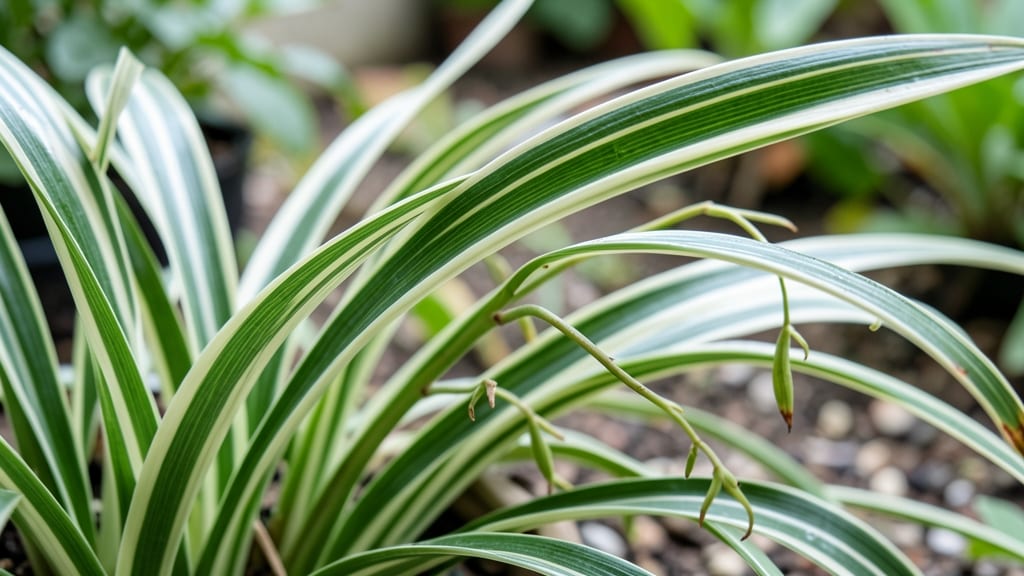
Spider plant light requirements: ideal conditions for healthy growth
Your spider plant (Chlorophytum comosum) thrives in bright indirect light, but it’s surprisingly adaptable. Unlike sun-loving succulents, these plants tolerate low-light conditions—though they’ll grow best with 4-6 hours of filtered sunlight daily.
The key is avoiding harsh direct rays, which can scorch delicate leaves. Think of it like a cozy reading nook for your plant: plenty of light, but no harsh glare.
Most homes offer three natural light zones: low (north-facing windows), medium (east/west), and bright (south-facing). Spider plants excel in medium to low-light zones, making them perfect for offices or bathrooms.
The ideal placement is 2-3 feet from an east or north window, where morning sun gently brightens the room without overheating.
Visual Light Guide: Imagine holding your hand near the plant. If you can see shadows but no harsh outlines, you’ve nailed the bright indirect light sweet spot. Too much sun? Leaves turn yellow or crispy. Too little? They stretch leggy and pale. The goal is consistent, gentle illumination—like a soft spotlight on a stage.
| Light Condition | Ideal Placement | Plant Response | Solution |
|---|---|---|---|
| Bright Indirect (40-60%) | East/west window, 2-3 ft away | Vibrant green leaves, compact growth | Perfect! Rotate pot monthly for even growth |
| Low Light (<30%) | North window or corner | Leggy growth, pale leaves | Add grow light 6-8 hrs/day or move closer to window |
| Direct Sun (>70%) | South window without filter | Brown tips, crispy edges | Move to indirect light or use sheer curtain |
Watch for subtle warning signs that your spider plant’s light needs aren’t met. Brown tips often signal too much direct sun or low humidity, while stretched-out leaves mean it’s reaching for more light.
Pro tip: If your plant’s leaves are smaller than a dollar bill, it’s likely undersized due to low light. The solution? A simple window rotation every 2-3 weeks keeps growth even and prevents lopsided plants.
Seasonal changes also affect light exposure. In winter, shorter days mean your spider plant may need a grow light supplement (12-14 hours daily). I’ve used LED grow bulbs in my kitchen—just 12 inches away—and seen 30% faster growth in my 'Variegata' variety.
For summer, move plants to shadier spots if you notice leaves curling or developing white patches.
Don’t overlook the psychology of plant placement. Spider plants in kitchens or bathrooms often thrive because these rooms have steady humidity and moderate light. If your home has only south-facing windows, place the plant 6 feet back and use a light-colored curtain to diffuse harsh rays.
Remember: sheer fabrics work better than thick ones for filtering light.
For renters or small-space dwellers, hanging planters near windows are a game-changer. I’ve seen spider plants double in size in just 3 months by hanging them 18 inches from an east window.
The angle of light hitting the leaves from below encourages fuller growth and prevents the 'leggy' look that plagues many indoor plants.
One common misconception is that all indirect light is equal. Not true! North-facing windows provide cool, consistent light, while east-facing windows offer morning warmth. Test your plant’s reaction: If leaves lean toward the window, it’s phototropic—a natural response to seek light.
Gently rotate the pot to encourage balanced growth.
Final pro tip: Use your phone’s light meter app (like Light Meter) to check light levels. Aim for 1,000-2,000 lux—the sweet spot for spider plants. If your reading is below 500 lux, it’s time to relocate or supplement with artificial light.
Your plant will thank you with lush, vibrant foliage all year round! 🌱
Spider plant light requirements: ideal conditions for healthy growth
Spider plants (Chlorophytum comosum) are one of the most forgiving houseplants, but even they need the right light exposure to thrive. Unlike sun-loving succulents, these plants prefer bright indirect light, making them perfect for most indoor spaces.
Too little light leads to leggy growth, while too much can scorch their leaves. Let’s break down the ideal conditions and how to spot when your plant is getting it just right.
The perfect light setup for a spider plant is about 4-6 hours of filtered sunlight daily. This means placing them near an east or north-facing window, where harsh afternoon rays are avoided.
South-facing windows can work too, but keep your plant 2-3 feet away from the glass to prevent leaf burn. If your home lacks natural light, don’t worry—we’ll cover artificial solutions later!
| Light Condition | Ideal Placement | Plant Response |
|---|---|---|
| Bright Indirect Light (4-6 hrs) | East/west window, 2-3 ft away | Healthy green leaves, compact growth |
| Low Light (<4 hrs) | North window or room corner | Leggy stems, sparse foliage |
| Direct Sunlight (>6 hrs) | South window, no filter | Brown tips, crispy edges |
Watch for visual cues to adjust your spider plant’s light exposure. If the leaves stretch toward the light or develop long, thin stems, it’s craving more brightness.
Conversely, yellowing or brown patches signal too much direct sun. The goal is a balanced, lush appearance with vibrant green stripes—proof your plant is happy!
Seasonal changes also affect light needs. During winter months, when daylight is shorter, supplement with a grow light for 6-8 hours daily. In summer, move your plant away from windows if you notice white or brown spots on the leaves—a classic sign of sunburn.
A simple rotation every few weeks ensures even growth and prevents lopsided development.
Pro tip: Rotate your spider plant quarter-turns every week to encourage even light exposure. This simple habit prevents one side from becoming darker or weaker. Pair this with regular misting in dry climates, and you’ll have a thriving, bushy plant that’s the envy of every plant lover!
Remember, spider plants are adaptable, but they’ll always reward you with new "spiderettes" (baby plants) when they’re in their ideal light zone. Keep experimenting with placement until you find the sweet spot—your green thumb will thank you!