
Plants
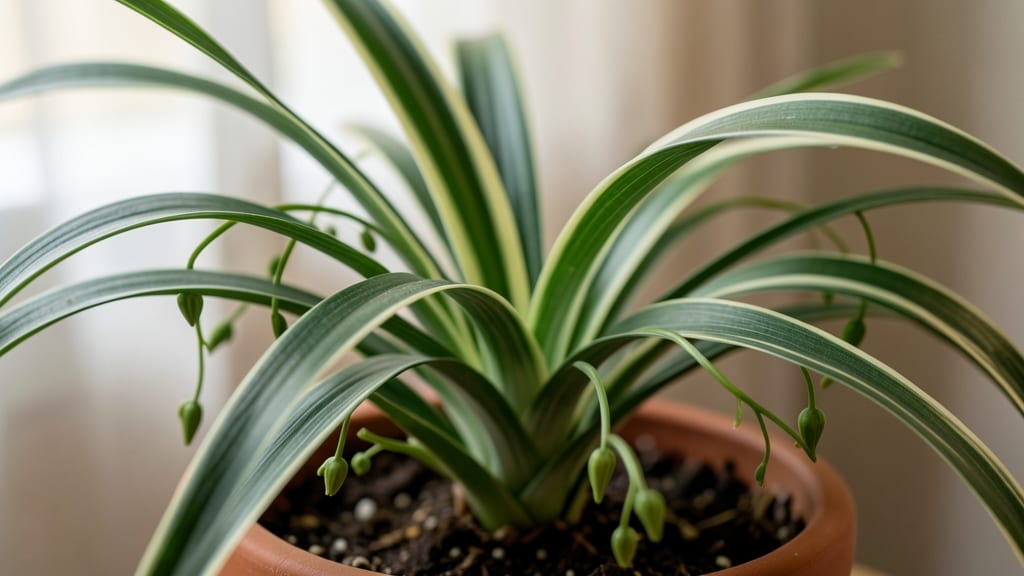
If you’ve ever wondered how much light does a spider plant need, you’re not alone—this is one of the most common questions for new plant parents.
The good news? Spider plants (🌿 Chlorophytum comosum) are tough little survivors, but they do have their preferences when it comes to sunlight.
Most people assume these hardy plants can thrive in just about any light, but the truth is, they perform best in medium to bright indirect sunlight. Too little light, and they’ll stretch out like they’re reaching for a sunbeam.
Too much direct sun, and those pretty variegated leaves can turn crispy at the edges. Finding that sweet spot is easier than you think—and I’ll show you exactly how to spot the signs.
Whether you’re dealing with a leggy plant that’s stretching toward the window or brown tips that scream “help me!” we’ll cover it all. From the best windows for your spider plant to clever workarounds for low-light spaces, you’ll learn how to keep your plant happy without guessing. Let’s get started!
The key is understanding what your spider plant is really telling you through its leaves. We’ll break down the visual clues so you can adjust lighting like a pro—no green thumb required.
Trust me, once you master this, your spider plant will thank you with lush, vibrant growth all year round.

Understanding spider plant light requirements: medium to bright indirect sunlight explained
Spider plants thrive in bright indirect sunlight, which means they need filtered light rather than harsh direct rays. Think of them as the perfect houseplant for east-facing or north-facing windows, where sunlight is gentle but abundant.
These plants can tolerate low-light conditions but will grow slower and produce fewer spiderettes (the cute little baby plants they’re famous for).
The key is finding that sweet spot—too little light leads to weak, leggy growth, while too much causes brown tips or sunburned leaves. Most homes have ideal spots for spider plants, even in offices or bathrooms with natural light.
Understanding their light spectrum needs (primarily blue and red wavelengths) helps them photosynthesize efficiently.
Indoor lighting can vary dramatically by season. In winter, when natural light is dimmer, your spider plant may need a supplemental grow light for 4-6 hours a day. Conversely, in summer, you might need to move it away from south-facing windows to prevent leaf scorch.
The goal is to mimic dappled forest light, which is what spider plants evolved under in their native South Africa.
| Light Condition | Ideal Placement | Growth Impact | Fix Needed? |
|---|---|---|---|
| Bright Indirect (40-60%) | East/West window, 2-3 ft away | Healthy, vibrant growth | ✅ Perfect! |
| Low Light (<30%) | North window, dim corner | Leggy, sparse leaves | 💡 Add grow light |
| Direct Sun (>70%) | South window, no filter | Brown tips, crispy edges | ☀️ Move to shade |
| Fluorescent Light | Office desk, 12" away | Slow growth, pale leaves | 🔋 Upgrade to LED grow light |
One common misconception is that spider plants can thrive in any light. While they’re more forgiving than fussy plants like ferns, pushing them into dark corners will stunt their growth. Look for glossy, upright leaves as a sign they’re happy—dull or drooping leaves signal a light issue.
If your plant is near a window, rotate it quarter-turns every 2 weeks to ensure even growth and prevent it from leaning toward the light.
Outdoor spider plants can handle partial shade in gardens, especially in hot climates where direct afternoon sun would scorch them. If you’re growing yours outside during summer, place it under a tree canopy or on a shaded patio.
Just remember: morning sun is gentler than afternoon rays, so east-facing outdoor spots are ideal. Always acclimate your plant gradually to avoid light shock, which can cause sudden leaf damage.
For urban dwellers with limited natural light, LED grow lights are a game-changer. A simple 12-inch grow light (like a full-spectrum bulb) placed 6-12 inches above your plant for 12-14 hours daily can mimic ideal conditions.
Brands like GE or Philips offer affordable options, and you’ll notice faster growth and more spiderettes within weeks. Just avoid incandescent bulbs, which emit too much heat and can damage delicate leaves.
Seasonal adjustments are key. In spring and fall, when daylight is balanced, your spider plant will thrive with 4-6 hours of indirect light. But in winter, supplement with artificial light if you notice stretched-out leaves or fewer spiderettes.
Pro tip: Group plants together—they create a microclimate that retains humidity and light, benefiting each other. This works especially well in bathrooms or kitchens, where moisture levels are naturally higher.
Finally, pay attention to your plant’s growth patterns. Healthy spider plants grow 12-24 inches tall with arching leaves and produce regular spiderettes. If you’re not seeing these signs, it’s time to reassess the light.
Remember: patience is key—adjustments may take 4-6 weeks to show visible results. With the right light, your spider plant will reward you with lush, vibrant foliage and endless propagation opportunities.
Understanding spider plant light requirements: medium to bright indirect sunlight explained
Spider plants thrive in medium to bright indirect sunlight, making them perfect for homes with filtered natural light. Direct sunlight can scorch their leaves, while too little light slows growth and weakens those iconic spiderettes.
The key is finding that sweet spot where leaves stay vibrant and growth remains steady.
Think of your spider plant’s ideal light as similar to what you’d find under a shady tree canopy or near an east-facing window. These conditions provide enough light without the harsh intensity of midday sun.
Even in low light, spider plants survive, but they’ll grow slower and produce fewer spiderettes.
Here’s how to break down the light spectrum your spider plant needs: 40-60% brightness (measured as light intensity). This means placing them 2-3 feet from a window or under fluorescent grow lights for 10-12 hours daily if natural light is limited.
| Light Condition | Ideal Placement | Growth Impact |
|---|---|---|
| Bright Indirect (40-60%) | East/West window, 2-3 ft away | Healthy growth, vibrant leaves, frequent spiderettes |
| Low Light (<30%) | North window or shaded room | Slow growth, pale leaves, fewer spiderettes |
| Direct Sunlight (>70%) | South window without filter | Brown tips, crispy edges, weakened plant |
Seasonal changes also affect your spider plant’s light needs. In summer, move it away from south-facing windows to avoid scorching. In winter, supplement with a grow light if natural light drops below 4 hours daily. This adjustment keeps your plant happy year-round.
Pro tip: Rotate your spider plant quarter-turns every 2 weeks to ensure even light exposure. This prevents lopsided growth and keeps leaves reaching for balanced sunlight. Uneven light can cause one side to stretch toward the window while the other stays weak.
If you’re unsure about your home’s light levels, use a light meter app (like Light Meter for smartphones) to check brightness near potential spots. Aim for 400-500 lux—this is the ideal range for spider plants to flourish without stress.